
Fruit Bat Habitat: A Crucial Ecological Analysis
Published on February 12, 2026 by Admin
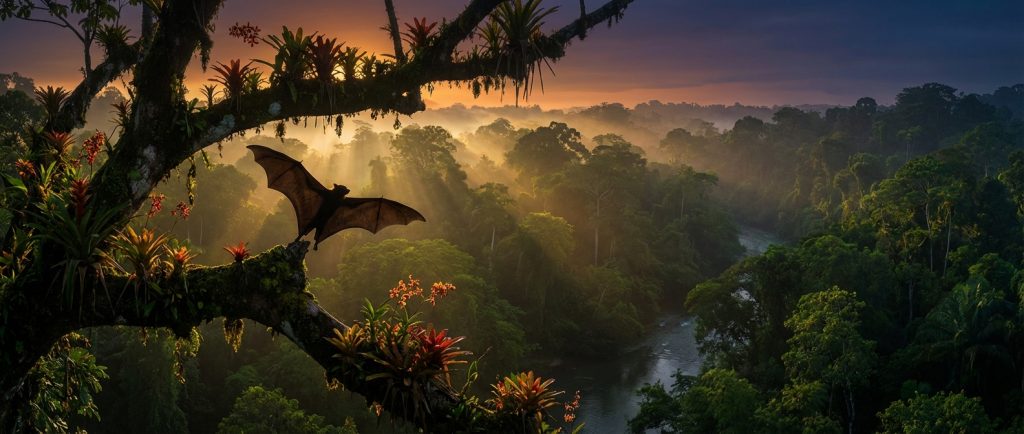
Fruit bats are vital to ecosystems. They play a key role as pollinators and seed dispersers. Understanding their habitat needs is crucial for conservation. This article explores fruit bat habitat analysis. It covers key factors and methods for research.
The Importance of Fruit Bat Habitats
Fruit bats, also known as megabats, are essential for biodiversity. They help in the reproduction of many plant species. This includes trees and crops. Their foraging habits spread seeds over wide areas. This aids in forest regeneration. It also supports agriculture. For example, they pollinate flowers that become fruits. Many plants rely on them for survival. Their disappearance would have widespread ecological consequences. Therefore, protecting their habitats is paramount.
These bats are sensitive to environmental changes. Habitat loss is a major threat. Deforestation and urbanization reduce available roosting and feeding sites. This fragmentation isolates populations. It also limits genetic diversity. As a result, many fruit bat species are endangered.

Key Factors in Fruit Bat Habitat Analysis
Several factors define a suitable fruit bat habitat. Researchers look at specific elements. These include food availability and roosting sites. Water sources are also important. The presence of predators influences habitat use. Finally, human disturbance plays a role.
Food Availability
Fruit bats are primarily frugivores. They eat fruits, nectar, and pollen. The availability and diversity of these food sources are critical. Different species have different dietary preferences. Some prefer soft fruits. Others consume nectar and pollen. Therefore, a habitat must support a variety of fruiting plants. It also needs to provide nectar-producing flowers. Seasonal availability is also important. Bats need food year-round. For instance, continuous flowering and fruiting seasons are ideal. This ensures a stable food supply. Without adequate food, bats struggle to survive. They may also be more prone to zoonotic threats if their nutritional status is compromised.
Roosting Sites
Roosting sites are essential for shelter. Bats need safe places to rest during the day. They also need them for raising young. Common roosting sites include caves. Large trees are also important. Some species use hollow trees or rock crevices. The size and structure of the roost are important. Roosts must offer protection. They should be safe from predators. They also need to be undisturbed by human activity. Large colonies require extensive roosting areas. They may use multiple roosts within a territory. The availability of suitable roosts directly impacts population size. Loss of roosting sites can force bats into less ideal locations. This can increase their vulnerability.
Water Sources
Like all animals, fruit bats need water. They drink from rivers, lakes, and ponds. Access to clean water is vital. Especially in drier climates or seasons. Dehydration can be fatal. Therefore, water bodies must be present within or near their foraging range. The quality of the water is also important. Contaminated water can lead to illness. It can also affect their overall health. This is particularly true for species that rely heavily on nectar.
Predator Avoidance
Fruit bats face natural predators. These include snakes, birds of prey, and larger mammals. Their roosting sites and foraging areas must offer some protection. Dense vegetation can provide cover. High roosting sites can deter ground predators. Understanding predator-prey dynamics is part of habitat analysis. Bats will avoid areas with high predator activity. This influences where they choose to feed and roost. Their ability to avoid predators is key to their survival.
Human Disturbance
Human activities can significantly impact fruit bat habitats. This includes logging, mining, and agriculture. Urban expansion also encroaches on natural areas. Noise and light pollution can disrupt bats. They may abandon otherwise suitable areas. Habitat fragmentation due to roads and development is also a problem. Understanding human land-use patterns is crucial. It helps predict habitat suitability. It also informs conservation strategies. Minimizing human disturbance is key to protecting bats.
Methods for Fruit Bat Habitat Analysis
Researchers use various methods to study fruit bat habitats. These methods provide valuable data. They help in conservation planning.
Field Surveys and Observation
Direct observation is fundamental. Researchers conduct surveys. They count bats. They identify roosting sites. They also record foraging activity. This involves spending time in the field. It often requires working at night. Techniques include direct counts. Acoustic monitoring can also be used. This records bat calls. It helps identify species. It also estimates population size. Furthermore, researchers observe bat behavior. They note interactions with the environment. This provides rich qualitative data. It helps understand their needs. For example, observing which plants they visit for food is invaluable.
Satellite Imagery and GIS
Remote sensing offers a broad view. Satellite imagery helps map land cover. It identifies forests, water bodies, and urban areas. Geographic Information Systems (GIS) analyze this data. GIS can overlay different data layers. This includes bat distribution data. It helps identify habitat patterns. It also predicts suitable areas. For instance, GIS can map areas with high forest cover. It can also identify proximity to water. This is crucial for understanding large-scale habitat use. This technology is very useful for large-scale studies. It helps in identifying potential conflict zones.
Acoustic Monitoring
Acoustic monitoring uses specialized microphones. These devices record bat echolocation calls. Each species has a unique call signature. This allows for species identification. It also helps estimate activity levels. Acoustic sensors can be deployed long-term. They collect data continuously. This provides insights into temporal patterns. It shows when bats are most active. It also reveals how habitat changes affect their calls. This method is non-invasive. It is ideal for monitoring populations over time. It also aids in understanding their spatial distribution. This can be particularly useful for understanding bat pathogen surveillance.
Mist-Netting and Tagging
Mist-netting involves capturing bats. Researchers use fine nets. These nets are set up in flight paths. Captured bats are identified. They are measured and weighed. They can also be tagged. Tags provide unique identifiers. This allows for individual tracking. Radio or GPS tags can be used. These tags help study movement patterns. They reveal foraging ranges. They also identify important roosting sites. This method provides detailed individual data. It helps understand resource use. However, it requires careful handling. Ethical considerations are paramount.
Dietary Analysis
Analyzing bat droppings (guano) reveals their diet. Guano contains fruit seeds and pollen grains. Researchers identify these remains. This provides direct evidence of food sources. Stable isotope analysis can also be used. It examines the chemical composition of tissues. This indicates their primary food sources. Understanding their diet is crucial. It highlights the importance of specific plant species. It also shows how habitat health affects their nutrition. This is vital for conservation efforts. It helps prioritize plant species for protection.
Conservation Strategies for Fruit Bat Habitats
Effective conservation requires a multi-faceted approach. It must address the threats identified.
Habitat Protection and Restoration
Protecting existing habitats is the first step. This involves creating protected areas. It also means enforcing anti-poaching laws. Restoring degraded habitats is equally important. This includes reforestation. It also involves planting native fruit-bearing trees. Creating wildlife corridors can connect fragmented habitats. This allows bats to move freely. It also promotes genetic exchange. Successful restoration efforts can significantly improve bat populations. For example, planting diverse native flora is beneficial. It ensures year-round food availability.
Community Engagement and Education
Local communities play a vital role. Educating them about the importance of fruit bats is essential. It helps reduce human-wildlife conflict. It encourages sustainable practices. Community-based conservation initiatives can be very effective. They involve local people in monitoring and protection. When communities understand the ecological value, they become allies. This is crucial for long-term success. For instance, educating communities about the role of bats in pollination can foster appreciation.
Policy and Legislation
Strong policies are needed. Governments must enact and enforce laws. These laws should protect critical habitats. They should regulate land-use changes. International cooperation is also important. Fruit bats often cross national borders. Therefore, coordinated conservation efforts are necessary. Policy changes can incentivize habitat protection. They can also penalize destructive practices. This creates a more favorable environment for bats. It also supports wider ecological goals.
Frequently Asked Questions (FAQ)
What are the main threats to fruit bat habitats?
The primary threats include habitat loss due to deforestation and urbanization, habitat fragmentation, hunting, and human disturbance.
Why are fruit bats important for ecosystems?
Fruit bats are vital pollinators and seed dispersers for many plant species, including important crops and trees. They play a crucial role in maintaining biodiversity and forest health.
How can researchers study fruit bat diets?
Researchers can analyze fruit bat droppings (guano) to identify seeds and pollen. Stable isotope analysis of bat tissues also provides dietary information.
What is the role of GIS in fruit bat habitat analysis?
GIS helps map land cover, analyze spatial data, and predict suitable habitat areas by overlaying information like forest cover, water sources, and bat distribution.
Are fruit bats dangerous to humans?
While fruit bats can carry diseases like Hendra virus and Nipah virus, they are generally not aggressive towards humans and pose a minimal direct risk if not handled or provoked. Understanding Nipah viral pathogenesis is important for public health awareness.
Conclusion
Fruit bat habitat analysis is a complex but vital field. It underpins successful conservation efforts. By understanding their needs, we can protect these essential creatures. Their role in pollination and seed dispersal is irreplaceable. Therefore, safeguarding their habitats ensures ecological balance. It also supports a healthy planet for all. Continued research and dedicated conservation strategies are key. This will help secure a future for fruit bats. It will also benefit the ecosystems they inhabit.
