mRNA Nipah Vaccine: Progress & Investment Outlook
Published on February 12, 2026 by Admin

The threat of Nipah virus looms large. This highly contagious pathogen causes severe illness. It has a high fatality rate. Investors are keenly watching developments. Especially in vaccine research. mRNA technology offers new hope. It has proven its worth with COVID-19. Now, it’s being applied to Nipah. This article explores the current progress. It also looks at the investment landscape.
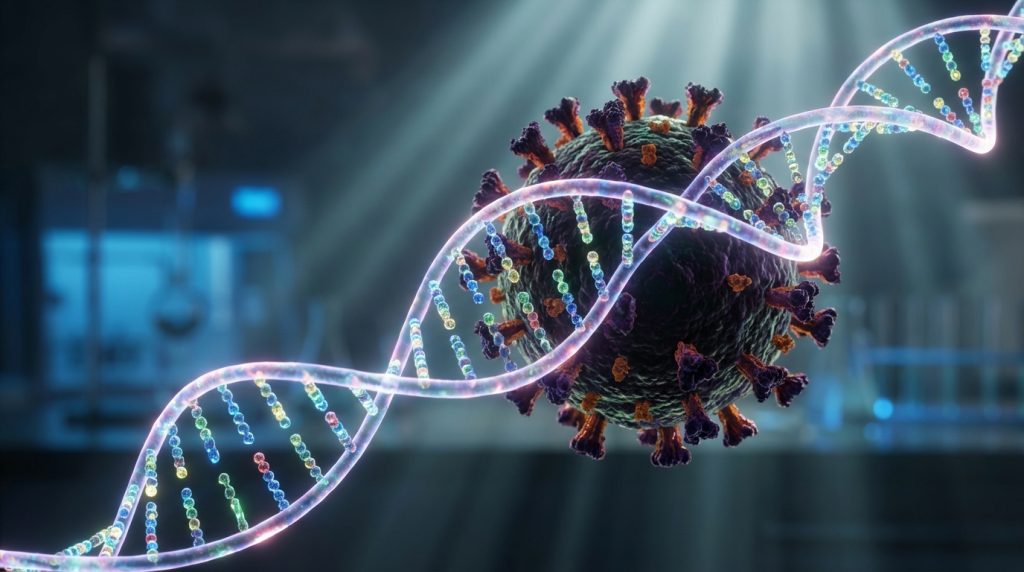
Understanding the Nipah Virus Threat
Nipah virus is a serious concern. It first emerged in 1998. Outbreaks have occurred periodically since then. The virus spreads through fruit bats. It can also transmit between humans. Symptoms range from fever to encephalitis. This can lead to coma and death. There is no approved vaccine or antiviral treatment. This lack of effective countermeasures makes Nipah a significant public health challenge. Therefore, research into preventative measures is crucial.
Why mRNA Vaccines for Nipah?
Traditional vaccine development can be slow. It often involves weakened or inactivated viruses. mRNA vaccines work differently. They use messenger RNA. This RNA instructs cells to make a specific protein. This protein triggers an immune response. The process is faster and more adaptable. It can be modified quickly if needed. Hence, mRNA technology is ideal for emerging threats like Nipah. It allows for rapid development and deployment.
Current Progress in mRNA Nipah Vaccine Development
Several research institutions and companies are advancing Nipah vaccine candidates. These efforts are showing promising early results. They are often in preclinical or early clinical trial stages. The focus is on identifying the most effective targets. These targets are usually surface proteins of the virus. Scientists aim to elicit a strong antibody response.
Key Players and Technologies
- Moderna: This biotech giant is a leader in mRNA technology. They have a Nipah vaccine candidate in their pipeline. Their experience with COVID-19 vaccines provides a strong foundation.
- Emergent BioSolutions: This company has a long history in vaccine development. They are also working on Nipah vaccine solutions.
- Academic Collaborations: Many universities and research institutes are contributing. They conduct foundational research. They also test novel approaches.
These efforts are crucial. They are building a defense against a devastating disease. Furthermore, this progress is vital for global health security.
Challenges and Hurdles in Development
Despite promising progress, challenges remain. Developing any vaccine is complex. Nipah virus presents unique hurdles. Funding is often a significant factor. Furthermore, rigorous safety and efficacy testing is essential. This takes time and resources. Also, scaling up production can be difficult.
Regulatory Pathways
Navigating regulatory approval is a major step. Health authorities have strict requirements. Vaccines must prove to be safe and effective. This often involves multiple phases of clinical trials. The process can be lengthy. However, for pandemic-potential diseases, expedited pathways may exist. These can speed up the review process.
Manufacturing and Distribution
Once approved, manufacturing at scale is key. mRNA vaccines require specialized facilities. Cold chain logistics are also critical. These vaccines often need ultra-cold storage. Ensuring equitable distribution globally is another challenge. This requires international cooperation. It also needs robust supply chain management.
Investment Outlook for mRNA Nipah Vaccines
The investment landscape for Nipah vaccines is dynamic. It is driven by the urgent need for solutions. Several factors influence investor interest.
Market Potential and Public Health Impact
Nipah virus poses a constant threat. The potential market for an effective vaccine is substantial. This is not just about profit. It is also about significant public health impact. Preventing future outbreaks saves lives. It also prevents massive economic disruption. Therefore, governments and international health organizations are key stakeholders. They often fund research and development. They also act as purchasers of approved vaccines.
Intellectual Property and Competition
Securing intellectual property is vital. Companies invest heavily in R&D. They need to protect their innovations. The competitive landscape is evolving. Several players are vying for a breakthrough. This competition can drive innovation. It can also lead to consolidation. Investors assess the strength of patent portfolios. They also evaluate the competitive advantages of each company.
Risk Factors for Investors
Investing in vaccine development carries risks. Clinical trial failures are a possibility. Regulatory hurdles can cause delays. Market adoption can also be uncertain. Furthermore, the actual incidence of Nipah outbreaks can be sporadic. This can affect demand for the vaccine between major events. Nevertheless, the high unmet need mitigates some of these risks.
The Role of Government and Public Health Initiatives
Government funding plays a critical role. Many research grants come from public sources. These support early-stage research. They de-risk development for private companies. Public health initiatives also drive demand. Organizations like the WHO are instrumental. They coordinate global efforts. They also advocate for vaccine development and access. These initiatives create a more favorable environment for investment. They signal a commitment to addressing the threat.
Partnerships and Collaborations
Successful vaccine development often involves partnerships. Companies collaborate with research institutions. They also partner with other biotech firms. These collaborations can share risk. They can also pool expertise. This is especially true for complex diseases like Nipah. Therefore, investors look for strong collaborative networks.
Future Directions and Opportunities
The future of mRNA Nipah vaccines looks promising. Continued research will focus on several areas.
- Next-Generation Vaccines: Scientists are exploring improvements. This includes enhancing durability and breadth of immunity.
- Combination Therapies: Combining vaccines with antiviral treatments could offer a more robust defense.
- Global Preparedness: Investment in manufacturing capacity and distribution networks is essential. This ensures rapid response to future outbreaks.
For biotech investors, this sector offers significant potential. It aligns with both financial returns and global health impact. It is a market driven by a clear and present danger. Therefore, innovation is highly valued. Investing in mRNA Nipah vaccine progress means investing in a safer future. It also means supporting cutting-edge biotechnology. It is a field poised for growth. This is especially true as we face increasing pandemic risks. The development of effective countermeasures is paramount. This includes understanding Nipah transmission dynamics and investing in advanced solutions.
Frequently Asked Questions (FAQ)
What is Nipah virus?
Nipah virus is a zoonotic virus. It causes severe respiratory and neurological illness in humans. It has a high fatality rate.
Why are mRNA vaccines being developed for Nipah?
mRNA technology allows for rapid development and adaptation. It has proven effective against other viruses. This makes it a promising platform for Nipah.
What are the biggest challenges in developing a Nipah vaccine?
Challenges include securing funding, rigorous safety and efficacy testing, scaling up manufacturing, and navigating complex regulatory pathways.
What is the current stage of mRNA Nipah vaccine development?
Most candidates are in preclinical or early clinical trial stages. Promising early results are being observed.
What are the investment opportunities in this space?
Opportunities exist in companies developing mRNA Nipah vaccines. Also in related research and manufacturing infrastructure. Government funding and public health initiatives create a favorable environment.
How does Nipah virus spread?
It primarily spreads from fruit bats to humans. It can also spread from human to human through direct contact with infected people, bodily fluids, or contaminated food.
Is there a cure for Nipah virus infection?
Currently, there is no approved vaccine or specific antiviral treatment for Nipah virus infection. Supportive care is the primary approach.
What is the role of bat surveillance in Nipah prevention?
Surveillance of bat populations helps identify Nipah virus presence. This allows for early detection and intervention. It is a key part of bat pathogen surveillance technology.