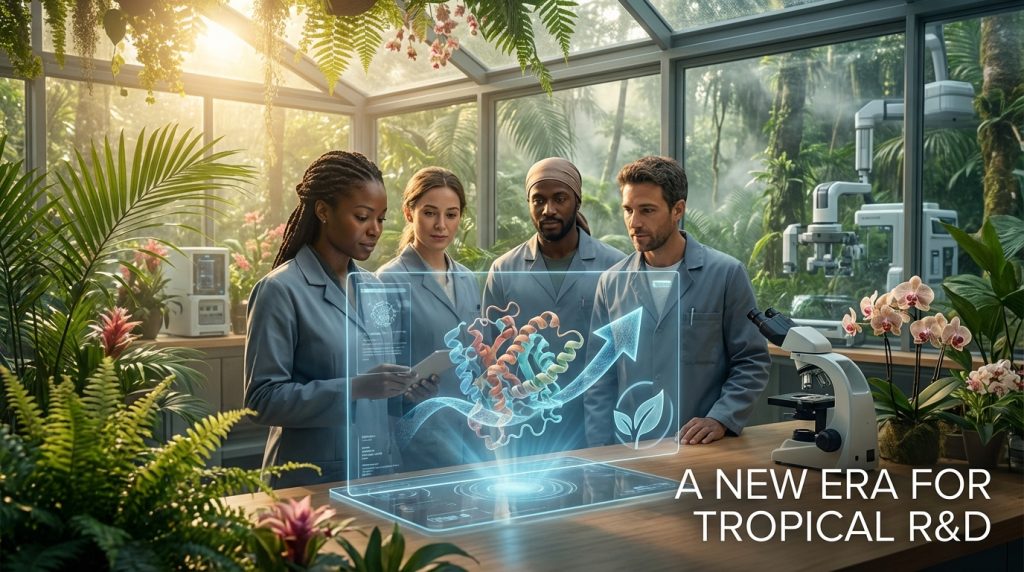
Tropical diseases pose a significant global health challenge. For decades, they have impacted millions of lives. Fortunately, innovation is changing the landscape. Researchers are developing new tools and strategies. This is leading to better prevention and treatment. Therefore, R&D scientists are at the forefront of this fight. Their work is crucial for eradicating these diseases.
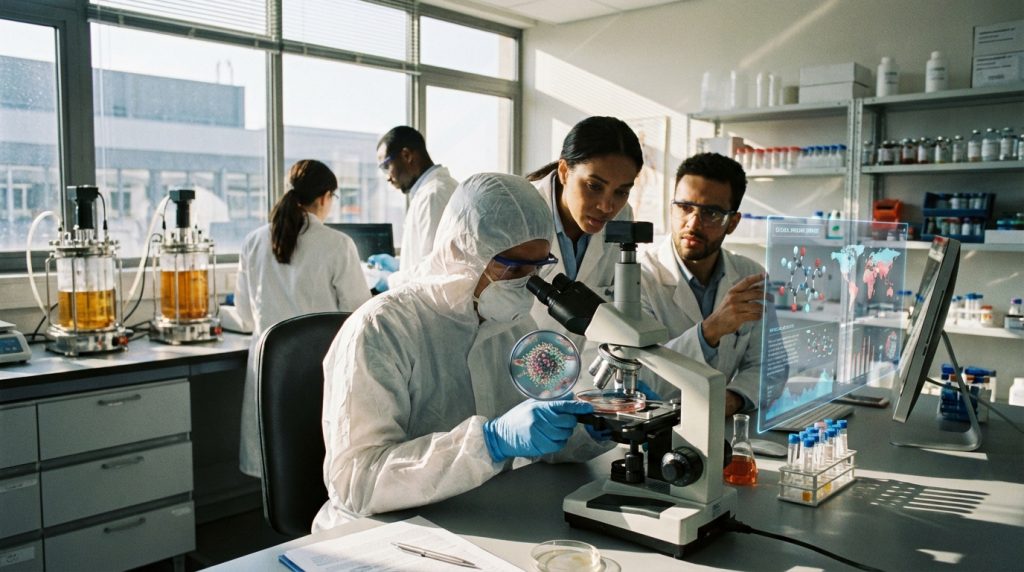
The Evolving Landscape of Tropical Diseases
Tropical diseases are often linked to specific geographic regions. They are also tied to environmental factors. Climate change plays a role. It can expand the range of disease vectors. For example, mosquitoes carrying diseases like malaria and dengue fever can thrive in new areas. Furthermore, urbanization and global travel contribute to their spread. Therefore, understanding these dynamics is key for effective intervention.
Understanding the Pathogens
Many tropical diseases are caused by a variety of pathogens. These include viruses, bacteria, parasites, and fungi. For instance, the Nipah virus is a significant concern. It causes severe respiratory and neurological illness. Its spread is often linked to fruit bats. Similarly, malaria is caused by a parasite transmitted by mosquitoes. Each pathogen has unique characteristics. Hence, this requires tailored research approaches.
Understanding the pathogenesis of these diseases is vital. Scientists study how pathogens infect hosts. They also investigate how they cause illness. This knowledge helps in developing targeted therapies. For example, research into Nipah viral pathogenesis helps us understand its deadly mechanisms.
Key Areas of Innovation
Innovation in tropical disease research spans several critical areas. These include diagnostics, therapeutics, and prevention strategies. Scientists are leveraging cutting-edge technologies. This accelerates progress significantly.
Advanced Diagnostics
Early and accurate diagnosis is essential. It allows for timely treatment. It also helps control outbreaks. New diagnostic tools are emerging. These include rapid diagnostic tests (RDTs). They provide results within minutes. Furthermore, molecular diagnostics, like PCR, offer high sensitivity and specificity. AI-powered image analysis is also showing promise. It can assist in identifying disease markers. For example, breakthroughs in Nipah diagnostic breakthroughs are crucial for rapid response.
Moreover, point-of-care diagnostics are being developed. These allow testing in remote areas. This is particularly important for tropical regions. They often have limited access to laboratory facilities. Therefore, these innovations reduce diagnostic delays.
Novel Therapeutics
Developing new treatments is a major focus. Many existing drugs are becoming less effective. This is due to drug resistance. Scientists are exploring new drug targets. They are also repurposing existing medications. For instance, research into henipavirus antivirals is ongoing. This aims to find effective treatments for Nipah virus infections.
Beyond antivirals, therapeutic antibodies are showing potential. Monoclonal antibodies can neutralize pathogens. They offer a targeted approach. Also, gene therapy and RNA-based treatments are being investigated. These hold promise for long-term control. For example, mRNA Nipah vaccine progress highlights a new avenue for prevention.
Innovative Prevention Strategies
Prevention remains the most effective strategy. This includes vaccines and vector control. Vaccine development has seen remarkable progress. mRNA technology has revolutionized this field. It allows for faster vaccine design. Therefore, new vaccines for tropical diseases are being developed rapidly.
Vector control is also evolving. Traditional methods like insecticides are still used. However, they face challenges like resistance. Therefore, innovative approaches are needed. These include genetically modified mosquitoes. They can reduce disease transmission. Furthermore, environmental management plays a role. This involves understanding and controlling breeding sites. It is also important to monitor bat microbe diversity, as bats can be reservoirs for some tropical diseases.
The Role of Technology and Collaboration
Technological advancements are accelerating innovation. Artificial intelligence (AI) is being used. It helps analyze vast datasets. It can predict disease outbreaks. It also aids in drug discovery. Furthermore, big data analytics offers insights into transmission patterns. This allows for more targeted interventions.
Collaboration is also crucial. This involves partnerships between academia, industry, and governments. International cooperation is vital. It allows for resource sharing. It also facilitates the exchange of knowledge. For example, the One Health strategy recognizes the interconnectedness of human, animal, and environmental health. This approach is essential for tackling zoonotic diseases.
Challenges and Future Directions
Despite progress, challenges remain. Funding for tropical disease research can be inconsistent. Access to new treatments and vaccines in affected regions is often limited. Furthermore, the emergence of new pathogens is a constant threat. Therefore, sustained investment and global commitment are necessary.
Addressing Funding Gaps
Research and development require significant financial resources. Securing consistent funding is a challenge. Public-private partnerships can help. They leverage resources from both sectors. Also, philanthropic organizations play a key role. They support research initiatives. Therefore, diversifying funding sources is important.
Ensuring Equitable Access
New innovations must reach those who need them most. This includes populations in low-resource settings. Affordable pricing and distribution strategies are essential. Technology transfer to local manufacturers can help. Furthermore, strengthening healthcare infrastructure is vital. This ensures effective delivery of interventions. For example, zoonotic threat assessments help identify areas needing immediate attention.
Preparing for Emerging Threats
The threat of new infectious diseases is ever-present. Scientists must remain vigilant. Early warning systems are crucial. These systems monitor potential threats. For instance, early warning viral systems can detect outbreaks sooner. This allows for a rapid response. Preparedness plans are also essential. They outline steps to contain and manage future epidemics. This proactive approach is key to safeguarding global health.
Conclusion
Tropical disease innovation is a dynamic and vital field. R&D scientists are driving significant advancements. They are developing new diagnostics, therapeutics, and prevention methods. Technology and collaboration are accelerating this progress. While challenges persist, the commitment to innovation offers hope. Ultimately, these efforts aim to reduce the burden of tropical diseases. They strive to create a healthier future for all.
Frequently Asked Questions (FAQ)
What are some of the most pressing tropical diseases currently being addressed by R&D?
Some of the most pressing tropical diseases include malaria, dengue fever, Zika virus, chikungunya, leishmaniasis, and neglected tropical diseases (NTDs) like schistosomiasis and sleeping sickness. Additionally, emerging threats like Nipah virus are also a significant focus for research.
How is technology like AI and machine learning contributing to tropical disease innovation?
AI and machine learning are instrumental in analyzing large datasets to predict disease outbreaks, identify patterns in pathogen behavior, accelerate drug discovery by predicting molecule efficacy, and improve diagnostic accuracy through image analysis. They are also vital for developing complex real-time outbreak mapping systems.
What is the ‘One Health’ approach, and why is it important for tropical disease control?
The ‘One Health’ approach recognizes that the health of people is closely connected to the health of animals and our shared environment. It’s crucial for tropical diseases because many, like Nipah virus, are zoonotic (transmitted from animals to humans). This integrated approach promotes collaboration among medical, veterinary, and environmental professionals to prevent and control diseases at their source.
What are the main challenges in developing and distributing new treatments for tropical diseases?
Key challenges include securing consistent and adequate funding for research and development, addressing drug and vaccine resistance, ensuring treatments are affordable and accessible in low-resource settings, and overcoming logistical hurdles in distribution. Furthermore, biohazard safety standards must always be maintained during research and handling.
How can R&D scientists contribute to preventing the next pandemic?
R&D scientists can contribute by developing robust surveillance systems, creating rapid diagnostic tools, designing broad-spectrum antivirals and vaccines, understanding pathogen transmission dynamics (like Nipah transmission dynamics), and fostering international collaboration for coordinated responses. Their work on pandemic preparedness plans is invaluable.