
Preventing Zoonotic Spillover: A Global Health Imperative
Published on February 12, 2026 by Admin
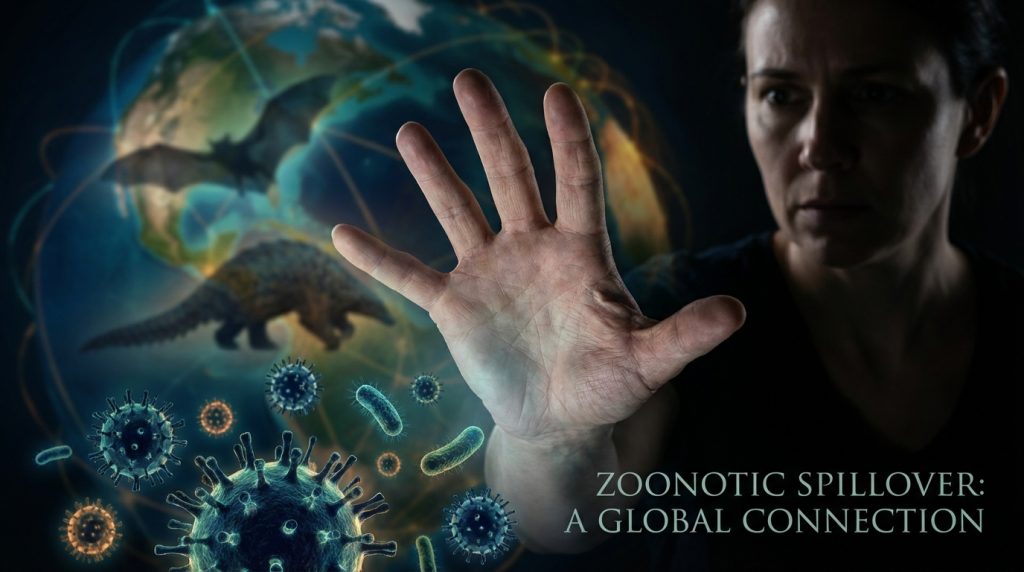
Zoonotic diseases pose a significant threat to global health. These diseases jump from animals to humans. Therefore, preventing them is crucial. Understanding the pathways of zoonotic spillover is the first step. It helps us develop effective strategies. This article explores key areas for prevention.
Understanding Zoonotic Spillover
Zoonotic spillover occurs when a pathogen moves from an animal population to a human population. This can happen through direct contact with infected animals. It can also happen indirectly. This includes contact with contaminated environments or vectors like mosquitoes. Habitat destruction and climate change are major drivers. They increase human-animal interactions. This, in turn, raises the risk of spillover events. For instance, deforestation can push wildlife into closer contact with human settlements. This increases the chance of disease transmission. Therefore, conservation efforts are vital for public health.
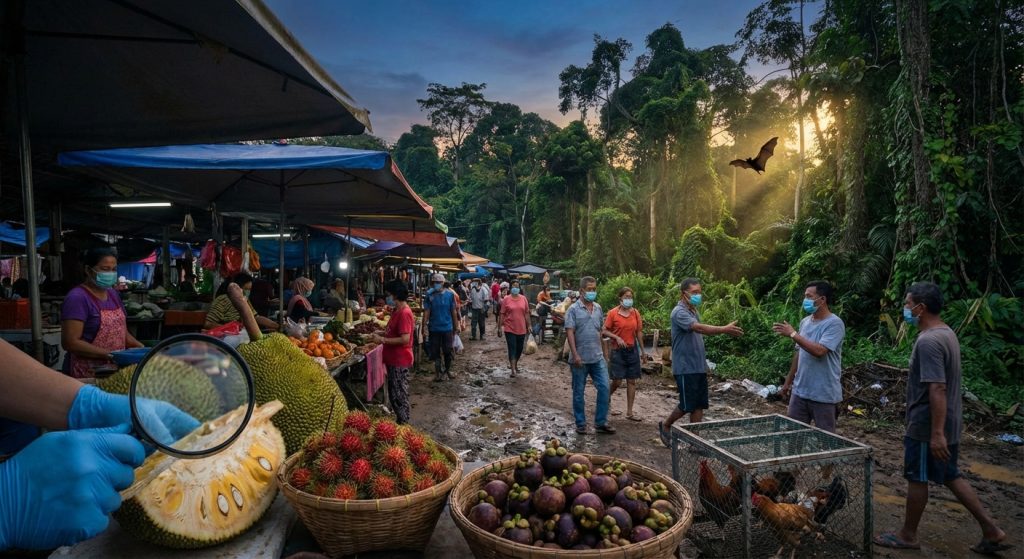
Many emerging infectious diseases have zoonotic origins. Examples include HIV, Ebola, and SARS. The COVID-19 pandemic is a stark reminder of this threat. Therefore, a proactive approach to prevention is essential. We must invest in surveillance and research. This helps us identify potential threats early.
Key Prevention Strategies
Preventing zoonotic spillover requires a multi-faceted approach. It involves actions across various sectors. These include public health, wildlife management, and agriculture.
Strengthening Surveillance Systems
Robust surveillance is fundamental. It allows us to detect novel pathogens. It also helps track known zoonotic diseases. This involves monitoring animal populations. It also includes monitoring human populations. Early detection enables rapid response. This can limit the spread of disease. Furthermore, integrating human and animal health surveillance is key. This is often referred to as a “One Health” approach. This integrated approach helps us see the bigger picture. It aids in identifying risks more effectively. For example, monitoring bat populations for novel coronaviruses is crucial. This is because bats are known reservoirs for many such viruses. As a result, early detection can prevent widespread outbreaks.
Moreover, advancements in technology are enhancing surveillance. Genomic sequencing allows us to quickly identify new pathogens. AI can analyze vast datasets to spot unusual patterns. These tools are invaluable for early warning systems. Therefore, investing in these technologies is a wise strategy.
Wildlife Conservation and Habitat Protection
Protecting natural habitats is paramount. It reduces the interface between wildlife and humans. This minimizes opportunities for spillover. Conservation efforts help maintain biodiversity. This can create more resilient ecosystems. These ecosystems are less prone to disease outbreaks. Conversely, habitat loss and degradation increase risk. Therefore, sustainable land-use practices are vital. They help preserve natural environments. This, in turn, supports global health security.
Additionally, regulating wildlife trade is essential. Many zoonotic diseases spread through illegal or poorly managed wildlife markets. Implementing strict regulations reduces this risk. For example, banning the trade of certain high-risk species can be effective. This is because these species are known to carry dangerous pathogens.
Promoting Biosecurity in Agriculture
Agricultural practices play a significant role. Intensive farming can create conditions for disease to emerge and spread. Therefore, implementing strong biosecurity measures is critical. This includes good hygiene practices. It also involves proper waste management. Furthermore, responsible use of antimicrobials is essential. Overuse can lead to antimicrobial resistance. This is another significant global health threat. Therefore, promoting animal welfare is also important. Healthy animals are less susceptible to disease. As a result, improving farm management practices can prevent spillover.
Moreover, educating farmers is crucial. They need to understand the risks. They also need to know how to implement biosecurity measures. This knowledge empowers them to protect their animals and the wider community. Therefore, training programs are a valuable investment.
Public Health Education and Awareness
Educating the public is a cornerstone of prevention. People need to understand the risks. They also need to know how to protect themselves. This includes practicing good hygiene. It also involves safe food handling. For instance, thorough cooking of meat reduces the risk of foodborne zoonotic diseases. Awareness campaigns can change behaviors. They can foster a culture of prevention. Therefore, clear and accessible information is vital. It empowers individuals to make informed choices. This helps reduce their personal risk. Consequently, widespread public awareness can significantly impact disease prevention.
Furthermore, promoting responsible interaction with wildlife is important. This includes avoiding direct contact with wild animals. It also means being cautious in areas where wildlife is present. Therefore, public awareness campaigns should cover these aspects. They help create a safer environment for everyone.
The Role of International Cooperation
Zoonotic spillover does not respect borders. Therefore, international cooperation is indispensable. Global collaboration is needed for effective prevention. This includes sharing data. It also involves coordinating research efforts. Furthermore, joint initiatives are crucial for resource mobilization. Wealthier nations can support countries with fewer resources. This helps build capacity for surveillance and response. Therefore, a united global front is necessary. It strengthens our collective defense against zoonotic threats.
The World Health Organization (WHO) and the World Organisation for Animal Health (OIE) play vital roles. They facilitate international cooperation. They set standards and provide guidance. Therefore, supporting these organizations is important. It ensures a coordinated global response. As a result, we can be better prepared for future outbreaks.
Challenges and Future Directions
Despite our efforts, challenges remain. Funding for public health and surveillance is often insufficient. Political will can fluctuate. Therefore, sustained commitment is necessary. We must also address the root causes of spillover. This includes tackling climate change and biodiversity loss. Furthermore, we need to improve our understanding of pathogen evolution. This helps predict future threats. Therefore, continued research is essential.
Looking ahead, the “One Health” approach will become even more critical. It recognizes the interconnectedness of human, animal, and environmental health. Therefore, fostering collaboration across disciplines is key. This will lead to more integrated and effective solutions. Ultimately, preventing zoonotic spillover is an investment. It is an investment in global health security and human well-being. Hence, we must prioritize these efforts.
Frequently Asked Questions
What is zoonotic spillover?
Zoonotic spillover is the transmission of a disease-causing agent (pathogen) from an animal to a human.
Why is preventing zoonotic spillover important?
Preventing zoonotic spillover is important because these events can lead to widespread infectious disease outbreaks, pandemics, and significant public health crises.
What are some examples of zoonotic diseases?
Examples include rabies, influenza, Ebola, and COVID-19.
How does habitat destruction contribute to zoonotic spillover?
Habitat destruction forces wildlife into closer proximity with human populations and livestock, increasing the chances of pathogen transmission.
What is the “One Health” approach?
The “One Health” approach recognizes that the health of people is closely connected to the health of animals and our shared environment. It advocates for collaboration across human, animal, and environmental health sectors.
Conclusion
Zoonotic spillover represents a persistent and evolving threat to global health. However, by implementing a comprehensive strategy that includes robust surveillance, wildlife conservation, agricultural biosecurity, and public education, we can significantly reduce the risk. International cooperation and sustained investment are crucial. As we move forward, embracing the “One Health” framework will be essential. This will help us build a more resilient future. Therefore, proactive prevention is our best defense against the next pandemic. It is a collective responsibility. We must act now to protect ourselves and future generations.
