

In today’s rapidly evolving global landscape, defense agencies face unprecedented challenges. These threats are diverse. They range from traditional military conflicts to emerging biological and chemical hazards. Therefore, innovative solutions are essential. Bio Shield Defense Systems represent a significant leap forward. They offer advanced protection against these multifaceted threats.
These systems are not just about hardware. They integrate cutting-edge biological and chemical countermeasures. Thus, they provide a comprehensive defense. This article explores their capabilities. We will also discuss their importance for national security.
Understanding Bio Shield Defense Systems
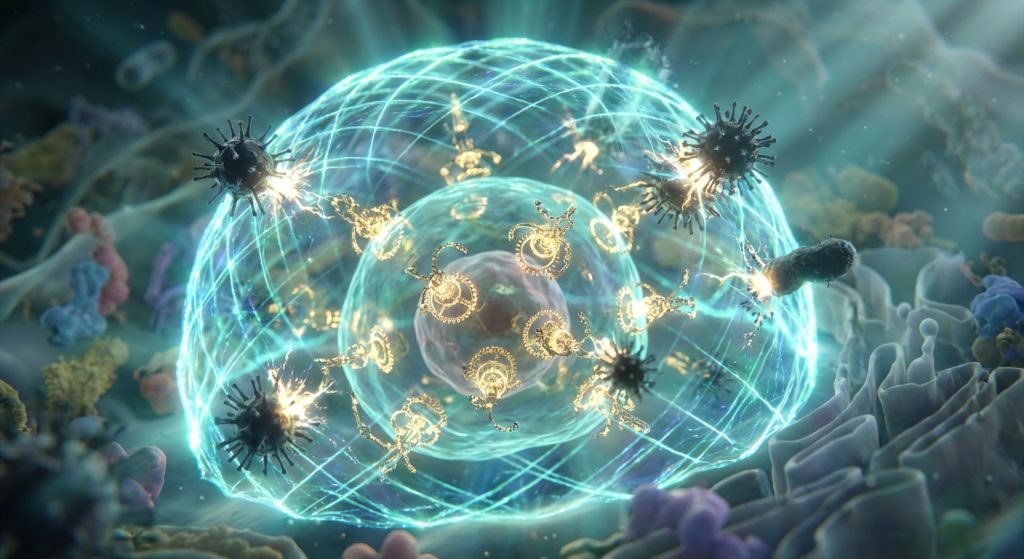
At its core, a Bio Shield Defense System is a multi-layered approach. It aims to detect, identify, and neutralize biological and chemical threats. Think of it as an advanced protective bubble. This bubble is designed for personnel, equipment, and critical infrastructure. Furthermore, it adapts to new and emerging dangers.
The systems often combine several key technologies. These include:
- Advanced sensor networks for early detection.
- Rapid identification tools for pinpointing specific agents.
- Countermeasure deployment systems.
- Robust containment and decontamination protocols.
Consequently, these systems offer a proactive rather than reactive defense. They are crucial for maintaining operational readiness. They also ensure the safety of those on the front lines. This technology is vital for modern defense strategies.
Key Components and Technologies
The effectiveness of Bio Shield Defense Systems relies on sophisticated components. These work in synergy to provide layered protection. Firstly, detection is paramount. This involves highly sensitive sensors. These sensors can identify minute traces of biological agents or chemical compounds. For instance, rapid genetic sequencing can identify pathogens quickly. This allows for immediate response planning. This speed is critical in fast-moving scenarios.
Secondly, identification is key. Once detected, an agent must be accurately identified. This prevents unnecessary panic or misdirected responses. Advanced mass spectrometry and immunoassay techniques are often employed. These tools provide definitive identification. Therefore, targeted countermeasures can be deployed. This specificity is a hallmark of modern defense.
Next, neutralization and containment are vital. This is where the “shield” aspect comes into play. It might involve deploying specialized aerosols. These aerosols can neutralize airborne pathogens. Alternatively, it could involve advanced filtration systems. These systems protect enclosed environments. Moreover, decontamination procedures are crucial. They ensure that areas and personnel are safe after an incident. This comprehensive approach minimizes exposure risks.
Furthermore, these systems often incorporate AI and machine learning. This helps in analyzing vast amounts of data. It allows for predictive threat assessment. Consequently, defense agencies can anticipate potential attacks. This predictive capability is a game-changer. It shifts defense from reactive to proactive.
Applications in Defense
The applications of Bio Shield Defense Systems are broad and impactful. They are indispensable for military operations. Consider deployed forces in potentially hazardous environments. These systems protect soldiers from battlefield agents. They also safeguard against naturally occurring outbreaks. Thus, operational effectiveness is maintained. Furthermore, this technology is vital for protecting critical infrastructure. This includes military bases, government buildings, and public transportation hubs.
In addition, these systems are crucial for first responders. Firefighters, hazmat teams, and emergency medical personnel face direct exposure. Bio Shield Defense Systems provide them with enhanced protection. This allows them to perform their duties safely. For example, they can be used in the aftermath of a chemical spill. Or, they can be deployed during a bioterrorism event. The ability to operate safely in contaminated zones is paramount.
Moreover, these systems play a role in border security. They can help detect the illicit movement of biological or chemical agents. This adds another layer to national security efforts. It is a proactive measure against unconventional threats. Therefore, these systems are a cornerstone of modern security architecture.
The Evolution and Future of Bio Shield Technology
Bio Shield Defense Systems are not static. They are constantly evolving. The threats themselves are also changing. For instance, the rise of novel viruses and engineered pathogens presents new challenges. Research is continually pushing the boundaries. This includes developing faster detection methods. It also involves creating more effective and broader-spectrum countermeasures. For example, advancements in henipavirus entry inhibitors are crucial for combating specific viral threats.
Looking ahead, integration will be key. Future systems will likely be more interconnected. They will form vast, intelligent defense networks. AI will play an even larger role. It will enable real-time threat analysis and automated response. Furthermore, miniaturization of components will allow for more portable and adaptable solutions. This means even small units could have significant protective capabilities.
The concept of “One Health” is also influencing development. This approach recognizes the interconnectedness of human, animal, and environmental health. Therefore, Bio Shield Defense Systems may increasingly incorporate animal health monitoring. This is particularly relevant for zoonotic diseases. Understanding zoonotic threat assessments is vital in this regard. Thus, Bio Shield Defense Systems are at the forefront of integrated security.
Challenges and Considerations
Despite their immense potential, Bio Shield Defense Systems face challenges. Cost is a significant factor. Developing and deploying these advanced technologies requires substantial investment. Furthermore, training personnel to operate and maintain these complex systems is essential. This requires specialized expertise. Therefore, ongoing education and development are critical.
Ethical considerations are also important. The development and deployment of biological countermeasures raise questions. Ensuring responsible use and preventing misuse is paramount. International cooperation and clear guidelines are necessary. This helps maintain global security. It also prevents an arms race in this sensitive domain.
Moreover, the systems must be adaptable. The threat landscape is always changing. Therefore, systems need to be updated regularly. They must be able to counter new and emerging threats. This requires continuous research and development. It is a dynamic field. The focus must remain on robust, ethical, and adaptable defense.
The Role of International Cooperation
Addressing biological and chemical threats is a global challenge. No single nation can effectively tackle it alone. Therefore, international cooperation is vital. Sharing intelligence and best practices is crucial. This helps in early detection and response. For instance, global biosecurity networks are essential for coordinated efforts.
Joint research and development initiatives are also beneficial. They can accelerate innovation. They also ensure that advanced defense technologies are accessible. Furthermore, collaborative training exercises help standardize responses. They build trust between nations. This is important during actual crises.
International treaties and agreements play a role. They set standards for biological weapons. They also promote peaceful uses of biotechnology. Therefore, a united front is the strongest defense. This collaborative approach strengthens global security. It ensures that Bio Shield Defense Systems benefit all.
Conclusion
Bio Shield Defense Systems represent a critical evolution in defense technology. They provide essential protection against a growing array of biological and chemical threats. By integrating advanced detection, identification, and neutralization capabilities, these systems enhance operational readiness and personnel safety. Furthermore, their adaptability and continuous development ensure they remain effective against emerging dangers. While challenges related to cost, training, and ethical considerations exist, ongoing research and international cooperation are paving the way for more robust and integrated defense solutions. Ultimately, Bio Shield Defense Systems are a vital investment in national and global security, ushering in a new era of protection.
