
Global Biosecurity Networks: A Diplomatic Imperative
Published on February 13, 2026 by Admin
The world faces an ever-present threat from biological agents. These can range from naturally occurring pathogens to intentionally released biological weapons. Therefore, robust global biosecurity networks are essential. They are critical for preventing, detecting, and responding to biological threats. Indeed, these networks are a cornerstone of international security and public health. Diplomats play a crucial role in building and maintaining them. This article explores the importance of these networks and the diplomatic efforts involved.
Understanding the Biosecurity Landscape
Biosecurity is a multifaceted discipline. It encompasses a range of measures to protect against biological threats. These threats can emerge from various sources. Natural outbreaks, such as pandemics, are a prime example. However, the risk of accidental or deliberate release of dangerous pathogens also exists. Therefore, comprehensive strategies are needed.
These strategies involve multiple layers of defense. They include surveillance systems. These systems monitor for unusual disease patterns. Laboratory capacity is also vital. It enables accurate identification of pathogens. Furthermore, rapid response mechanisms are crucial. They ensure swift action when a threat is detected. These elements form the backbone of global biosecurity.
The Role of International Cooperation
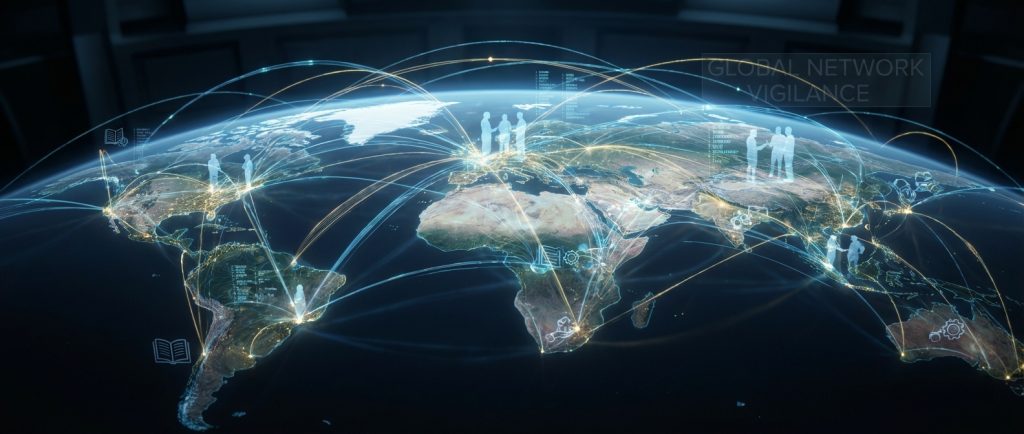
No single nation can effectively manage biosecurity threats alone. Pathogens do not respect borders. Therefore, international cooperation is paramount. Global biosecurity networks facilitate this collaboration. They connect countries, researchers, and health organizations. This interconnectedness allows for sharing of information and resources. It also enables coordinated responses to outbreaks.
For instance, the World Health Organization (WHO) plays a significant role. It coordinates global health efforts. It also sets international standards for disease surveillance and response. Similarly, the World Organisation for Animal Health (OIE) is crucial. It addresses animal health threats that can spill over to humans. Such collaboration is vital for a united front against biological risks.
Key Components of Global Biosecurity Networks
Effective biosecurity networks are built upon several key pillars. These components work in synergy to provide comprehensive protection.
1. Global Surveillance and Early Warning Systems
Early detection is key. Robust surveillance systems are therefore essential. These systems collect data on disease outbreaks worldwide. They often use a combination of human and animal health monitoring. This is often referred to as the “One Health” approach. It recognizes the interconnectedness of human, animal, and environmental health. For example, systems like early warning viral systems are vital. They help identify potential threats before they spread widely.
Furthermore, advanced data analytics and real-time outbreak mapping are increasingly important. These technologies allow for quicker identification of trends. They help pinpoint hotspots and predict potential spread. This enables a more proactive rather than reactive stance.
2. Laboratory Capacity and Diagnostic Capabilities
Accurate and rapid diagnosis is fundamental. This requires well-equipped laboratories. These labs need trained personnel. They must be capable of identifying a wide range of pathogens. International support often focuses on strengthening laboratory infrastructure in developing countries. This ensures that all nations have the basic tools to detect threats. For example, advancements in Nipah diagnostic breakthroughs are critical for regional preparedness.
Moreover, sharing diagnostic protocols and reagents is important. This standardization ensures consistency. It also facilitates international collaboration during a crisis. Without strong laboratory capabilities, detection and response efforts are severely hampered.
3. Research and Development (R&D)
Continuous research is vital for staying ahead of evolving threats. This includes R&D into new vaccines, therapeutics, and diagnostics. It also involves understanding pathogen evolution and transmission dynamics. Investment in R&D is an investment in future security. For instance, research into Henipavirus entry inhibitors could lead to new treatments.
International partnerships foster innovation. They allow for the pooling of expertise and resources. This accelerates the development of countermeasures. Funding for such research is often a key diplomatic agenda item.
4. Information Sharing and Communication Platforms
Open and timely information sharing is crucial. Effective communication networks ensure that relevant data reaches decision-makers quickly. This includes sharing epidemiological data, research findings, and best practices. Platforms for secure information exchange are therefore essential. These platforms build trust among member states. They also prevent the spread of misinformation during an outbreak. Real-time outbreak mapping tools are a prime example.
Diplomatic channels are vital for establishing and maintaining these communication links. They ensure that information flows smoothly across borders.
5. Response and Containment Strategies
When a threat emerges, a coordinated response is paramount. This involves rapid deployment of resources. It also includes implementing containment measures. These measures might include quarantine, travel restrictions, or public health campaigns. International agreements often outline the framework for such responses. They define roles and responsibilities. For example, during an outbreak, rapid response teams can be deployed internationally.
Effective response requires preparedness. This includes stockpiling essential medical supplies. It also involves regular training exercises. These exercises test the effectiveness of response plans. They help identify areas for improvement. Mastering pandemic preparedness plans is a continuous diplomatic effort.
The Diplomatic Role in Global Biosecurity
Diplomats are at the forefront of building and strengthening global biosecurity networks. Their work is multifaceted and essential.
Negotiating Treaties and Agreements
International treaties provide the legal framework for cooperation. Diplomats negotiate these agreements. They ensure that they are comprehensive and enforceable. Examples include the Biological Weapons Convention (BWC). It prohibits the development, production, and stockpiling of biological weapons. Ongoing diplomatic efforts aim to strengthen verification mechanisms for such treaties.
Furthermore, bilateral and multilateral agreements foster specific collaborations. These might focus on joint research projects or shared surveillance capabilities. Therefore, diplomacy is key to solidifying these partnerships.
Facilitating Information Exchange
As mentioned earlier, information sharing is critical. Diplomats facilitate this exchange. They build trust between nations. This trust is essential for sharing sensitive health data. It ensures that countries feel secure in sharing information about potential threats. They also work to overcome political barriers that might impede data flow. Moreover, they advocate for transparency in biosecurity matters.
Securing Funding and Resources
Building and maintaining biosecurity networks requires significant investment. Diplomats play a role in advocating for funding. They seek commitments from member states and international organizations. This funding supports surveillance systems, laboratory upgrades, and R&D initiatives. For example, securing investment for mRNA Nipah vaccine progress is a critical area.
Resource allocation is often a point of negotiation. Diplomats work to ensure equitable distribution. They aim to support countries with the greatest need. This ensures a more robust global network.
Promoting Norms and Best Practices
Diplomats help establish and promote international norms for biosecurity. This includes advocating for responsible conduct in biological research. It also involves promoting adherence to international health regulations. They work to foster a global culture of preparedness and responsibility. For instance, promoting biohazard safety standards globally is a crucial diplomatic goal.
They also engage in public diplomacy. This helps raise awareness about biosecurity threats. It educates the public and policymakers alike. This broader engagement strengthens support for biosecurity initiatives.
Challenges and Future Directions
Despite progress, significant challenges remain. These include political will, funding disparities, and emerging threats. For example, the rapid evolution of pathogens requires constant adaptation. The rise of dual-use research also presents ethical dilemmas. Therefore, ongoing diplomatic engagement is vital.
The future of global biosecurity will likely involve greater integration of advanced technologies. This includes artificial intelligence for disease prediction and genomics for pathogen tracking. Furthermore, a continued emphasis on the “One Health” approach is essential. It recognizes the interconnectedness of all living systems. Ultimately, sustained diplomatic commitment is the key to building a more secure and resilient world.
Frequently Asked Questions (FAQ)
What is global biosecurity?
Global biosecurity refers to the collective international efforts and systems designed to prevent, detect, and respond to biological threats. These threats can be naturally occurring, accidental, or deliberate.
Why is international cooperation important for biosecurity?
Biological threats do not respect national borders. Therefore, a coordinated global response is necessary. International cooperation allows for sharing of intelligence, resources, and expertise, which is vital for effective prevention and response.
What are the key components of global biosecurity networks?
Key components include global surveillance and early warning systems, robust laboratory capacity and diagnostics, investment in research and development, effective information sharing platforms, and well-defined response and containment strategies.
How do diplomats contribute to global biosecurity?
Diplomats negotiate international treaties and agreements, facilitate crucial information exchange, secure funding and resources, and promote international norms and best practices for biosecurity.
What are some emerging challenges in global biosecurity?
Emerging challenges include maintaining political will and adequate funding, addressing the rapid evolution of pathogens, managing the risks associated with dual-use research, and ensuring equitable access to resources and technologies across all nations.
How does the “One Health” approach relate to biosecurity?
The “One Health” approach recognizes that human, animal, and environmental health are interconnected. This holistic perspective is fundamental to biosecurity, as many threats originate from animal or environmental sources and can easily spread to humans.
