
Unlock Your Health: The Wearable Data Health Insights Engine
Published on January 23, 2026 by Admin
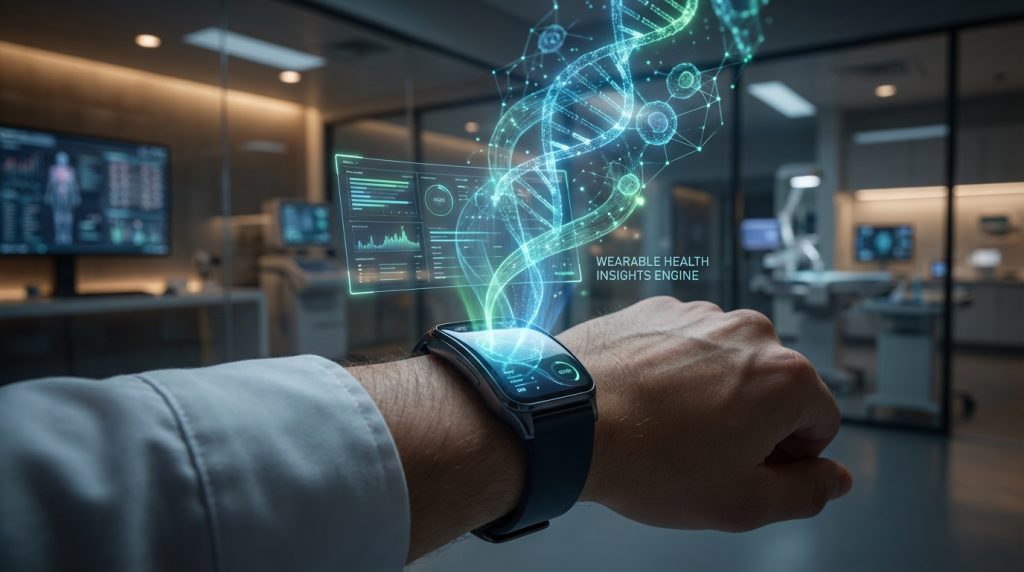
Your health data is powerful. Wearable devices collect it constantly. This data can offer deep insights. It can help you manage your health better. This engine turns raw data into actionable knowledge. It’s a game-changer for proactive healthcare.
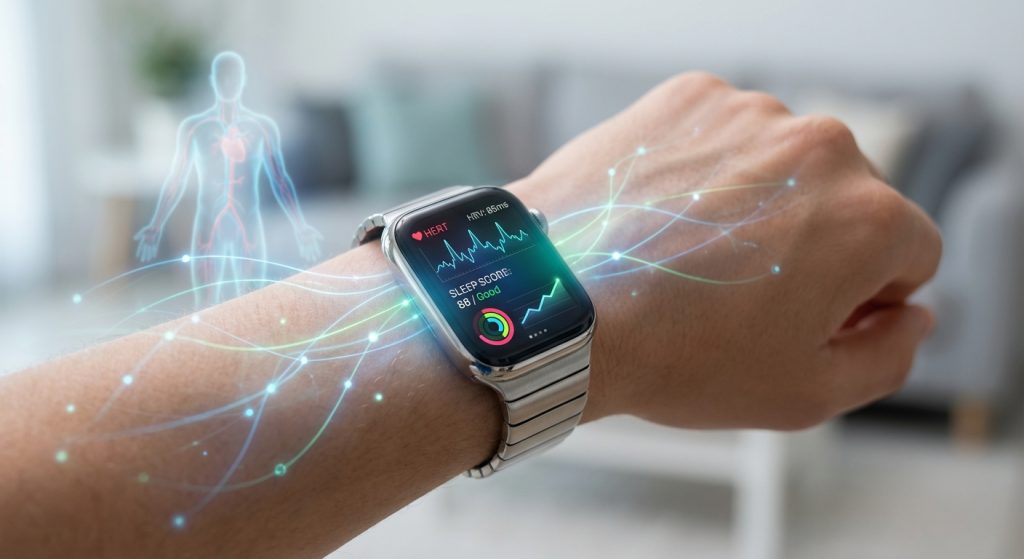
What is a Wearable Data Health Insights Engine?
Simply put, it’s a system. It analyzes data from your wearables. Think smartwatches, fitness trackers, and rings. The engine uses smart algorithms. It finds patterns in your health metrics. These patterns reveal important trends. For example, it can spot changes in your heart rate. It can also track sleep quality. Furthermore, it monitors activity levels. It does all this automatically. Therefore, you get personalized health information.
The Power of Continuous Monitoring
Traditional health checks are periodic. They offer a snapshot in time. Wearables provide continuous data. This constant stream is invaluable. It captures daily fluctuations. It also records subtle changes. As a result, it can detect issues early. This is crucial for prevention. For instance, spotting a rising resting heart rate might signal stress. Or it could indicate an oncoming illness. This proactive approach is key to modern wellness.
How Does it Work?
The process starts with data collection. Your wearable device gathers information. This includes heart rate, steps, sleep stages, and more. Next, this data is transferred. It goes to a secure platform. Here, sophisticated algorithms take over. These algorithms are often AI-driven. They look for anomalies and trends. They compare your current data to your baseline. They also consider population data. This helps contextualize your numbers. For example, it might flag a significant drop in your daily steps.
From Raw Data to Actionable Insights
The engine doesn’t just show numbers. It interprets them. It translates complex metrics into simple advice. For instance, instead of just “poor sleep,” it might say, “Your deep sleep was reduced by 15% last night. Try to avoid screens an hour before bed.” This makes the data useful. It guides your daily choices. Moreover, it can predict potential health risks. This predictive power is revolutionary. It allows for early intervention. You can learn more about wearable biosensors for chronic disease prevention.
Key Health Metrics Tracked
A robust engine monitors a wide range of metrics. These provide a holistic view of your well-being. Common metrics include:
- Heart Rate: Resting heart rate, heart rate variability (HRV), and exercise heart rate zones.
- Sleep: Duration, sleep stages (light, deep, REM), and interruptions.
- Activity: Steps taken, distance covered, calories burned, and active minutes.
- Blood Oxygen (SpO2): Important for respiratory and cardiovascular health.
- Skin Temperature: Can indicate illness or hormonal changes.
- Stress Levels: Often derived from HRV and other physiological markers.
Furthermore, some advanced wearables track ECG. Others monitor blood pressure. The insights derived from these metrics are profound. They can help manage conditions like hypertension. They can also inform strategies for better circadian rhythm optimization.
Benefits for Tech-Savvy Patients
For individuals who are already engaged with technology, this engine is a natural fit. It empowers you to take control of your health journey. Firstly, it offers unprecedented personalization. Your health plan becomes tailored to you. Secondly, it promotes early detection. This can significantly improve outcomes for many conditions. Thirdly, it fosters greater health literacy. You become more informed about your body’s signals. As a result, you can make smarter lifestyle choices.
Personalized Health Management
Imagine receiving a notification. It suggests you might be overtraining. This is based on your HRV and sleep data. Or perhaps it advises on hydration. This is based on your activity and environment. This level of personalized guidance is transformative. It moves healthcare from reactive to proactive. It’s about optimizing your health every single day. This proactive approach aligns with the principles of biohacking for longevity. You can explore biohacking longevity protocols for more advanced strategies.
Early Detection and Prevention
One of the most significant advantages is early detection. For example, a consistent upward trend in resting heart rate might precede illness. A sudden drop in SpO2 could signal a respiratory issue. These early warnings allow for timely medical consultation. This can prevent conditions from worsening. It can also reduce the need for more invasive treatments later. This aligns with the goals of liquid biopsies for early cancer detection, offering a similar predictive benefit.
The Role of AI and Machine Learning
Artificial intelligence (AI) and machine learning (ML) are the engines behind the engine. They process vast amounts of data. They identify complex correlations. For instance, AI can detect subtle patterns. These patterns might be invisible to the human eye. ML models learn and improve over time. As they process more data, their insights become more accurate. Therefore, the engine becomes more powerful with use.
Pattern Recognition and Anomaly Detection
AI excels at recognizing patterns. It can distinguish between normal fluctuations and concerning deviations. For example, it can learn your typical sleep cycle. Then, it can flag when your sleep quality significantly drops. This is crucial for identifying potential health issues. It’s much more sophisticated than simple threshold alerts. This advanced analysis helps understand your body’s unique rhythms.
Predictive Analytics for Health
Beyond detecting current issues, AI can predict future risks. By analyzing long-term trends, it can forecast potential health challenges. This could include an increased risk of cardiovascular events. It might also highlight a predisposition to certain metabolic disorders. This predictive power enables preventative measures. It allows individuals and healthcare providers to act preemptively. This is a cornerstone of personalized medicine, which you can learn more about with AI in personalized healthcare.
Challenges and Considerations
While powerful, the engine isn’t without its challenges. Data accuracy is paramount. Device calibration and user adherence are crucial. Also, privacy and security are major concerns. Ensuring your sensitive health data is protected is vital. Furthermore, interpreting the data correctly requires context. It should ideally complement, not replace, professional medical advice.
Data Accuracy and Reliability
The insights are only as good as the data. Wearable sensors vary in accuracy. Factors like skin contact, movement, and even individual physiology can affect readings. Therefore, it’s important to use reputable devices. It’s also wise to cross-reference data if possible. For example, if a wearable flags an irregular heart rhythm, a follow-up with a doctor is essential. This is similar to how smart stethoscopes detect sepsis early, requiring validation.
Privacy and Security Concerns
Your health data is highly personal. Robust security measures are non-negotiable. Reputable companies employ encryption and anonymization techniques. However, users must remain vigilant. Understanding the privacy policies of your chosen platforms is important. Protecting your digital health footprint is as crucial as protecting your physical health. This is a growing concern in the digital age, impacting various aspects of our lives.
The Importance of Professional Medical Guidance
This engine is a tool, not a doctor. The insights it provides are for informational purposes. They should not be used to self-diagnose or self-treat. Always consult with a healthcare professional. They can interpret the data in the context of your overall health. They can also provide accurate diagnoses and treatment plans. Think of it as a sophisticated health tracker that enhances your conversations with your doctor.
The Future of Wearable Health Insights
The technology is rapidly evolving. We can expect even more sophisticated sensors. These will capture a wider range of biomarkers. Integration with electronic health records will become seamless. AI will continue to refine predictive capabilities. Ultimately, this engine will become an indispensable part of preventative and personalized healthcare. It promises a future where managing your health is more informed and proactive than ever before. This evolution is part of a broader trend in digital health, as seen with digital epidemiology trends.
Frequently Asked Questions
Can I trust the data from my wearable device?
Most reputable wearable devices offer good accuracy for general health tracking. However, they are not medical-grade devices. For critical health concerns, always consult a healthcare professional and consider medical-grade equipment if recommended.
How often should I check my wearable data?
This depends on your goals. For general wellness, daily or weekly checks are often sufficient. If you are monitoring a specific condition or goal, you might check more frequently. However, avoid obsessive tracking, which can lead to anxiety. The engine’s automated insights can help reduce the need for constant manual checks.
Can wearable data replace doctor visits?
No, wearable data complements, but does not replace, professional medical advice. It provides valuable insights that can inform your doctor, but a doctor’s expertise is essential for diagnosis and treatment.
Is my wearable data secure?
Reputable companies invest heavily in data security. However, it’s crucial to review privacy policies and use strong passwords. Be mindful of what data you share and with whom.
What if my wearable detects a serious health issue?
If your wearable detects a significant anomaly or potential health issue, do not hesitate to seek immediate medical attention. Contact your doctor or go to an emergency room if necessary.
Conclusion
The Wearable Data Health Insights Engine represents a significant leap forward. It transforms passive data collection into active health management. By leveraging AI and continuous monitoring, it offers personalized insights. These insights empower tech-savvy patients. They enable proactive health choices and early detection. As this technology matures, it will undoubtedly play an even larger role in shaping the future of healthcare. It moves us towards a more informed, personalized, and preventative approach to well-being.
