
Cold Plunge Recovery: Science for CrossFit Athletes
Published on January 23, 2026 by Admin
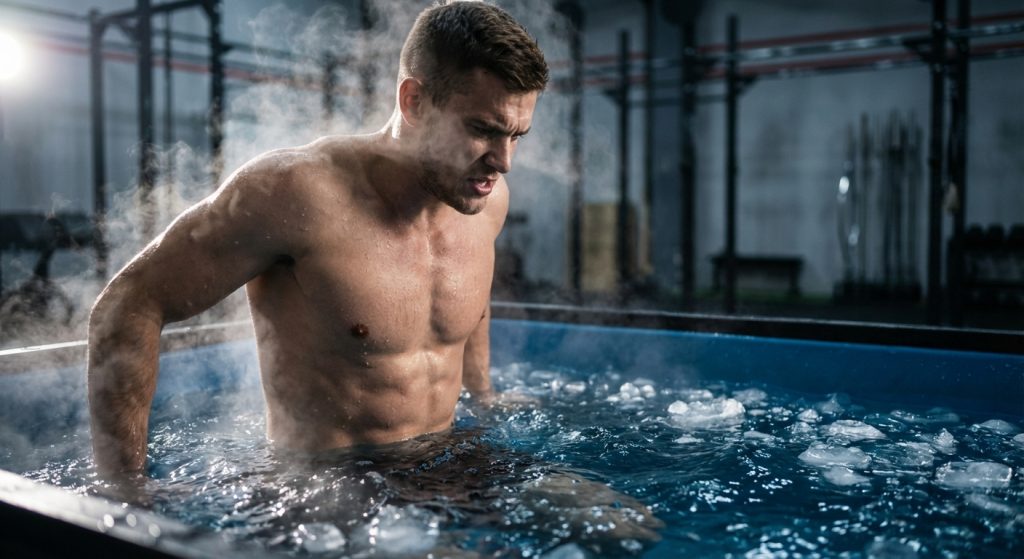
CrossFit training pushes your body to its limits. Intense workouts lead to muscle soreness and fatigue. Therefore, effective recovery is crucial. Cold plunging is a popular recovery method. Many athletes swear by it. But what does the science say? Let’s dive into the cold plunge recovery science insights. We will explore how this practice can benefit CrossFit athletes.
The Science Behind Cold Water Immersion
Cold water immersion (CWI) involves submerging your body in cold water. This is typically between 10-15°C (50-59°F). The temperature is key. It triggers physiological responses. Your body reacts to the cold shock. This reaction has several effects. Firstly, it constricts blood vessels. This is known as vasoconstriction. It reduces blood flow to the extremities. As a result, inflammation may decrease. It also flushes out metabolic waste products. These are byproducts of intense exercise. Subsequently, when you warm up, vasodilation occurs. This increases blood flow. It brings fresh oxygen and nutrients to the muscles. Therefore, this process aids in repair and regeneration.
Reducing Inflammation and Swelling
High-intensity training causes micro-tears in muscle fibers. This leads to inflammation. Swelling is also a common consequence. Cold water immersion can help manage this. The cold temperature lowers metabolic activity. It also reduces the rate of cellular metabolism. This can slow down inflammatory processes. Furthermore, it can decrease the release of pro-inflammatory cytokines. These are signaling molecules. They promote inflammation. For CrossFit athletes, this means less post-workout pain. It also means faster recovery between training sessions. Thus, you can train more consistently.
Alleviating Muscle Soreness (DOMS)
Delayed Onset Muscle Soreness (DOMS) is common after tough workouts. It typically appears 24-72 hours post-exercise. CWI has shown promise in reducing DOMS. The reduced blood flow during the plunge minimizes swelling. This swelling is a major contributor to soreness. Additionally, the cold can numb nerve endings. This provides immediate pain relief. While it doesn’t prevent muscle damage, it significantly eases the discomfort. Therefore, athletes can feel ready for their next WOD sooner. Some studies suggest CWI can improve recovery by up to 20%.
Boosting Circulation and Lymphatic Drainage
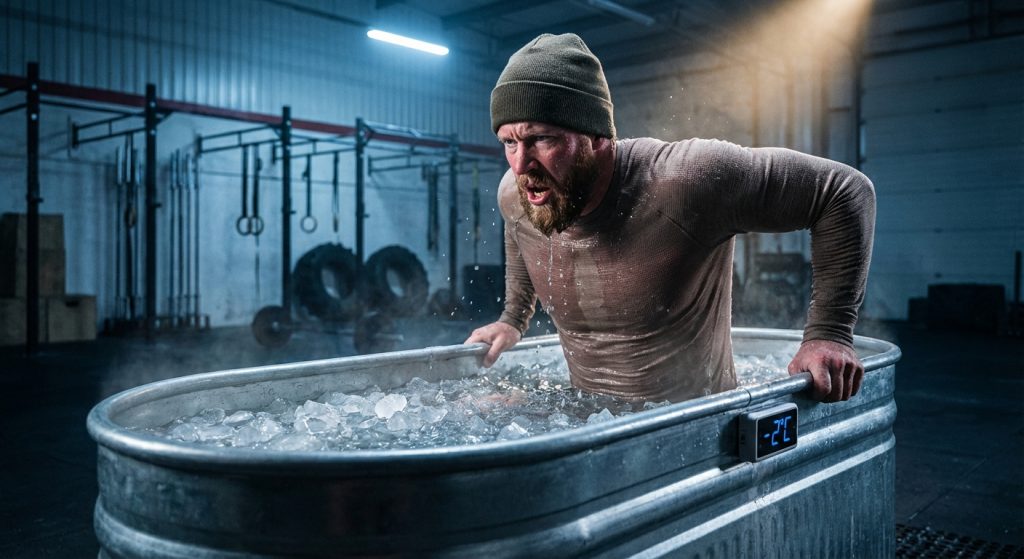
The alternating vasoconstriction and vasodilation are crucial. This “pumping” action helps to clear waste products. It specifically targets the lymphatic system. The lymphatic system removes toxins and waste. It operates less efficiently than the circulatory system. Cold water helps stimulate it. The initial cold shock causes blood to move away from the surface. Then, as the body warms up, blood rushes back. This surge helps push stagnant lymph fluid. Therefore, this improved circulation is vital for overall recovery. It ensures efficient nutrient delivery and waste removal.
Cold Plunge for CrossFit Athletes: Specific Benefits
CrossFit involves a wide range of movements. These include weightlifting, gymnastics, and metabolic conditioning. This diverse training puts unique demands on the body. Cold plunging can address these specific needs.
Enhanced Neuromuscular Recovery
High-volume training can impact the nervous system. This is known as neuromuscular fatigue. It can affect muscle activation and strength. Cold water immersion may help restore neuromuscular function. The cold can reduce nerve excitability. This can lead to improved motor control. It also helps to reset the nervous system. This is especially beneficial after complex movements. It allows for better muscle recruitment in subsequent sessions. For instance, improved nerve signaling can enhance your neural plasticity.
Improved Mood and Mental Resilience
The shock of cold water triggers a release of endorphins. These are natural mood boosters. They create feelings of euphoria. Furthermore, consistently facing the discomfort of a cold plunge builds mental toughness. This resilience translates directly to the gym. Athletes become more accustomed to pushing through challenging situations. They develop a stronger mindset. This mental fortitude is as important as physical recovery. It helps athletes stay motivated and focused. It can also be a powerful tool for managing stress. You can explore more about holistic stress management.
Potential for Increased Metabolism
When exposed to cold, your body activates brown adipose tissue (BAT). This is often called “brown fat.” BAT generates heat. It burns calories to do so. Regular cold exposure can increase BAT activity. Therefore, it may lead to a slight increase in resting metabolic rate. While not a primary weight-loss tool, it can contribute to overall metabolic health. This is particularly relevant for CrossFit athletes managing body composition. Boosting your metabolism can support energy levels. It can also aid in fat loss. You might find the science behind cold thermogenesis interesting.
How to Incorporate Cold Plunging Safely
While beneficial, cold plunging requires caution. Safety should always be the priority. Here are some guidelines:
Starting Slowly
Beginners should not jump into ice-cold water for extended periods. Start with shorter durations. Aim for 1-2 minutes initially. Gradually increase the time. Also, start with slightly less cold water. Gradually decrease the temperature over time. Listen to your body. Do not push yourself too hard too soon. This gradual approach helps your body adapt.
Duration and Frequency
For recovery, sessions of 5-10 minutes are often recommended. However, this depends on individual tolerance and water temperature. Frequency can vary. Some athletes plunge daily. Others do it 2-3 times per week. It often depends on their training schedule. More intense training may warrant more frequent sessions. However, excessive cold exposure can be detrimental. It can suppress the immune system. It can also hinder muscle growth. Therefore, balance is key.
Listen to Your Body
Cold plunging is not for everyone. Certain medical conditions can make it dangerous. These include heart conditions or Raynaud’s disease. Always consult a healthcare professional before starting. If you feel dizzy, nauseous, or experience severe shivering, exit the water immediately. Your body’s signals are paramount. Do not ignore them.
Cold Plunge vs. Other Recovery Methods
Cold plunging is one of many recovery tools. How does it stack up against others?
- Contrast Water Therapy: This involves alternating between hot and cold water. It aims to create a “pumping” effect. Some studies show similar benefits to CWI for DOMS.
- Foam Rolling: This self-myofascial release technique targets muscle knots. It can improve flexibility and reduce soreness. It is more targeted than CWI.
- Compression Garments: These apply pressure to limbs. They may improve blood flow and reduce swelling. Their effectiveness is debated.
- Active Recovery: Light activities like walking or swimming can aid recovery. They promote blood flow without adding significant stress.
Cold plunging offers a unique physiological response. It is particularly effective for reducing inflammation and improving mood. However, it is often best used as part of a multimodal recovery strategy. It complements other methods well.
Frequently Asked Questions (FAQ)
Is cold plunging safe for everyone?
No, it is not safe for everyone. Individuals with heart conditions, high blood pressure, or Raynaud’s disease should avoid CWI or consult their doctor first. Always listen to your body.
How long should I stay in the cold plunge?
For recovery, 5-10 minutes is a common recommendation. However, start with shorter durations (1-2 minutes) and gradually increase as your tolerance improves. The water temperature also plays a role.
Can cold plunging help with weight loss?
While cold exposure can activate brown fat and slightly boost metabolism, it is not a primary weight-loss method. It can be a supportive tool for overall health and body composition management.
When is the best time to cold plunge for recovery?
Many athletes find it most beneficial after a strenuous workout. However, some prefer to do it on rest days. Experiment to see what works best for your body and training schedule.
Will cold plunging hinder muscle growth?
There is some debate on this. Excessive or prolonged cold exposure might interfere with muscle hypertrophy. However, moderate CWI for recovery is generally not considered detrimental to muscle growth for most athletes.
Conclusion: Embrace the Chill for Better Performance
Cold water immersion offers significant benefits for CrossFit athletes. It helps reduce inflammation, alleviate muscle soreness, and boost mental resilience. By understanding the science behind it, athletes can incorporate cold plunging effectively. Always prioritize safety. Start slowly and listen to your body. When used strategically, the cold plunge can be a powerful tool. It can help you recover faster. It can also lead to improved performance. Ultimately, embracing the chill can unlock your athletic potential.
