

Intermittent fasting (IF) is more than just a diet trend. It’s a powerful tool that can significantly impact your metabolic health. Many people are exploring IF for weight loss. However, its benefits go far beyond shedding pounds. This approach focuses on when you eat, not just what you eat. Therefore, understanding its effects on your metabolism is crucial.
This article will delve into how intermittent fasting influences your metabolic health. We will explore the science behind it. We will also cover the benefits it offers. Moreover, we will discuss different IF methods. Finally, we will address common questions. Let’s begin by understanding what metabolic health means.
What is Metabolic Health?
Metabolic health refers to how well your body processes energy. It involves several key indicators. These include blood sugar levels, blood pressure, and cholesterol. It also involves triglyceride levels and waist circumference. Good metabolic health means these markers are within a healthy range. This reduces your risk of chronic diseases. These diseases include type 2 diabetes, heart disease, and stroke. On the other hand, poor metabolic health can lead to serious health issues over time.
When your metabolism is functioning optimally, your body efficiently uses nutrients. It converts food into energy. It also manages blood sugar effectively. Furthermore, it maintains healthy fat storage. Therefore, maintaining good metabolic health is vital for overall well-being. It impacts everything from your energy levels to your long-term health outlook.
How Intermittent Fasting Impacts Metabolism
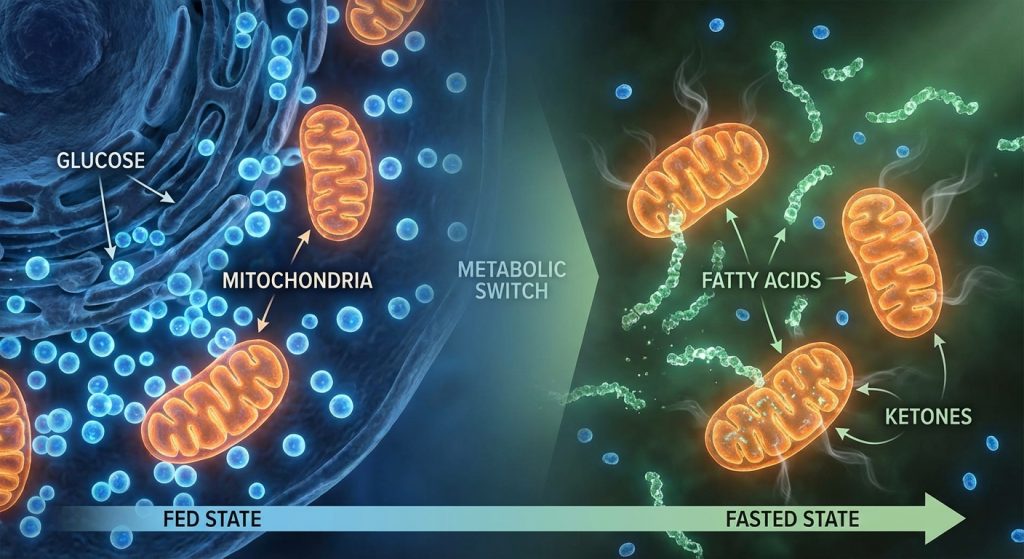
Intermittent fasting works by cycling between periods of eating and voluntary fasting. This cycle triggers several beneficial metabolic changes. Firstly, it can improve insulin sensitivity. Insulin is a hormone that helps regulate blood sugar. When your cells become more sensitive to insulin, your body needs less of it. This leads to lower blood sugar levels. As a result, it can help prevent or manage type 2 diabetes.
Secondly, IF can promote fat burning. During fasting periods, your body depletes its glucose stores. It then starts to burn stored fat for energy. This process is known as ketosis. Therefore, it is an effective strategy for weight loss. It specifically targets stubborn body fat.
Moreover, intermittent fasting can boost your metabolism. While some believe fasting slows metabolism, research suggests otherwise. Short-term fasting can actually increase your metabolic rate. This is due to hormonal changes. For example, norepinephrine levels can increase. This hormone helps break down fat cells. Thus, IF can help you burn more calories even at rest.
Key Metabolic Benefits of Intermittent Fasting
Intermittent fasting offers a wide array of benefits for metabolic health. These benefits extend beyond simple weight loss. Let’s explore some of the most significant ones:
Improved Insulin Sensitivity
As mentioned earlier, IF significantly improves insulin sensitivity. This is a cornerstone of good metabolic health. By reducing the constant influx of glucose, your body gets a break. It allows cells to become more responsive to insulin. For example, studies have shown that IF can lower fasting insulin levels. This is a direct indicator of improved sensitivity.
Reduced Inflammation
Chronic inflammation is a major contributor to many diseases. These include heart disease, cancer, and Alzheimer’s. Intermittent fasting has been shown to reduce markers of inflammation in the body. For instance, it can lower levels of C-reactive protein (CRP). Therefore, IF can act as an anti-inflammatory agent.
Cellular Repair (Autophagy)
During fasting, your cells initiate a crucial cleanup process called autophagy. Autophagy is like a cellular recycling program. It removes damaged cells and regenerates newer, healthier ones. This process is vital for preventing disease and promoting longevity. It helps clear out waste products that can accumulate over time.
Heart Health Improvement
Intermittent fasting can positively impact several risk factors for heart disease. These include blood pressure, LDL cholesterol, and triglycerides. By improving these markers, IF contributes to a healthier cardiovascular system. For example, some research suggests IF can lower blood pressure. It may also improve the quality of your cholesterol.
Brain Health and Neuroprotection
Emerging research suggests IF may benefit brain health. It can increase brain-derived neurotrophic factor (BDNF). This is a protein that supports the growth and survival of neurons. Therefore, IF might play a role in protecting against neurodegenerative diseases. It could also enhance cognitive function.
Potential Longevity Benefits
While more research is needed in humans, animal studies suggest IF may increase lifespan. This is likely due to its effects on cellular repair and reduced inflammation. These factors contribute to overall health and resilience. It is an exciting area of ongoing scientific investigation.
Popular Intermittent Fasting Methods
There are several popular ways to implement intermittent fasting. The best method for you depends on your lifestyle and preferences. Here are some common approaches:
- The 16/8 Method: This is perhaps the most popular method. It involves fasting for 16 hours each day and restricting your eating window to 8 hours. For example, you might eat between 12 PM and 8 PM.
- The 5:2 Diet: With this method, you eat normally for five days a week. Then, you restrict your calorie intake to about 500-600 calories on two non-consecutive days.
- Eat Stop Eat: This involves a 24-hour fast once or twice a week. For instance, you might finish dinner on Monday and not eat again until dinner on Tuesday.
- Alternate-Day Fasting: This is a more intense approach. It involves alternating between days of normal eating and days of fasting or very low-calorie intake.
It is important to choose a method you can sustain long-term. Consistency is key to reaping the benefits of IF. You might also consider seeking advice from a healthcare professional before starting.
Getting Started with Intermittent Fasting
Starting intermittent fasting can seem daunting. However, with a few simple strategies, you can make the transition smoother. Firstly, begin gradually. You don’t need to jump straight into a 16-hour fast. Try starting with a 12-hour fast and gradually increase the duration. This allows your body to adapt. Moreover, it helps prevent feelings of deprivation.
Secondly, stay hydrated. Drinking plenty of water, black coffee, or unsweetened tea during your fasting periods is crucial. This helps manage hunger and keeps you feeling full. It also supports your body’s metabolic processes. For example, staying hydrated is essential for optimal digestion and nutrient transport.
Thirdly, focus on nutrient-dense foods during your eating windows. When you do eat, make sure your meals are balanced and nutritious. This ensures you are getting all the vitamins and minerals your body needs. Prioritize whole foods like lean proteins, healthy fats, fruits, and vegetables. This approach supports overall health and weight management goals. It also prevents nutrient deficiencies that can arise from restrictive diets.
Finally, listen to your body. If you feel unwell or experience extreme fatigue, it might be a sign that IF is not right for you, or that you need to adjust your approach. Some individuals may experience headaches or irritability initially. However, these side effects usually subside as your body adjusts. If they persist, it’s advisable to consult a healthcare provider. You might also find insights in articles about holistic stress management, as stress can impact metabolic responses.
Who Should Be Cautious with Intermittent Fasting?
While intermittent fasting offers many benefits, it’s not suitable for everyone. Certain groups should exercise caution or avoid IF altogether. This includes pregnant or breastfeeding women. Their nutritional needs are higher during these periods. Also, individuals with a history of eating disorders should avoid IF. It can potentially trigger unhealthy eating patterns. Furthermore, people with certain medical conditions, such as diabetes or those on specific medications, should consult their doctor before starting. For example, individuals taking blood sugar-lowering medication may need adjustments to their dosage. It is always best to get personalized medical advice.
Frequently Asked Questions About Intermittent Fasting
Can intermittent fasting help me lose weight?
Yes, intermittent fasting can be an effective tool for weight loss. It helps reduce overall calorie intake by limiting your eating window. Additionally, it shifts your body towards burning stored fat for energy.
Will intermittent fasting slow down my metabolism?
Contrary to popular belief, short-term fasting can actually boost your metabolism. It can increase your resting metabolic rate due to hormonal changes. However, very prolonged or extreme fasting could potentially slow it down.
What should I eat during my eating window?
Focus on a balanced diet rich in whole foods. Include lean proteins, healthy fats, fruits, vegetables, and whole grains. This ensures you get essential nutrients and feel satisfied.
Can I drink coffee or tea while fasting?
Yes, plain black coffee and unsweetened tea are generally acceptable during fasting periods. They contain minimal calories and can help suppress appetite. Avoid adding sugar, milk, or cream.
Is intermittent fasting safe for everyone?
No, intermittent fasting is not suitable for everyone. Pregnant or breastfeeding women, individuals with a history of eating disorders, and those with certain medical conditions should consult a healthcare professional first.
Conclusion
Intermittent fasting is a powerful dietary approach. It offers significant benefits for metabolic health. By strategically cycling between eating and fasting, you can improve insulin sensitivity. You can also reduce inflammation. Moreover, you can promote cellular repair and support heart health. It is a flexible strategy. It can be adapted to various lifestyles. However, it is essential to approach IF mindfully. Prioritize whole, nutrient-dense foods during your eating windows. Stay hydrated. And always listen to your body. Consulting with a healthcare provider is recommended, especially if you have underlying health conditions. With the right approach, intermittent fasting can be a valuable ally in your journey towards better metabolic health and overall well-being.
