
Sustainable Living: A Guide for Eco-Conscious Families
Published on January 24, 2026 by Admin
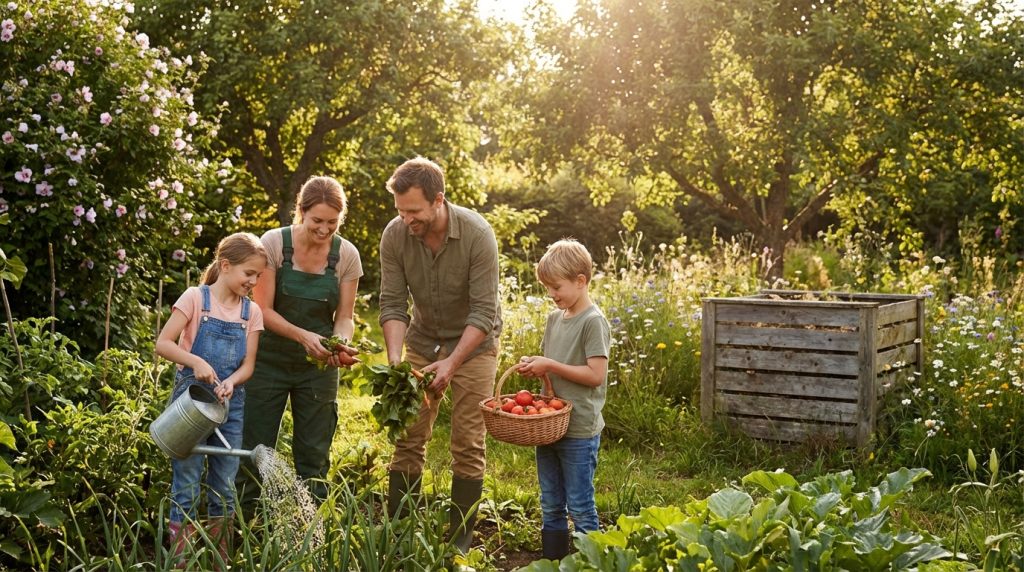
Creating a sustainable lifestyle is more than a trend. It is a conscious choice. It benefits our planet and our families. Sustainable living means meeting our needs today. We must not compromise future generations. This approach touches every aspect of life. It includes what we eat, how we live, and what we consume. For families, this means fostering habits that are both eco-friendly and healthy. Therefore, embracing sustainable wellness living standards is key.
This guide will explore key areas. We will focus on practical steps. Families can implement these easily. We aim to make sustainability accessible and rewarding. Moreover, it’s about creating a healthier home environment. It’s also about teaching children valuable lessons. These lessons will last a lifetime. Let’s embark on this journey together.
The Foundation: Mindful Consumption
Mindful consumption is the cornerstone of sustainability. It means being aware of our purchases. We should consider their environmental impact. Therefore, we must ask questions before buying. Is this item necessary? Where does it come from? How is it made? What is its end-of-life plan?
For families, this often starts at home. Reducing waste is a primary goal. This includes food waste, plastic waste, and energy waste. For example, meal planning can significantly cut food waste. It also saves money. Similarly, choosing reusable items over disposables makes a big difference. Think cloth bags, water bottles, and food containers.
Furthermore, we should prioritize quality over quantity. Durable goods last longer. They reduce the need for frequent replacements. This, in turn, lessens production and shipping impacts. Buying second-hand is also a fantastic option. It gives items a new life. It also reduces demand for new production.
Smart Shopping Habits
Making informed choices at the store is vital. Look for products with minimal packaging. Prefer items made from recycled or sustainable materials. Certifications like Fair Trade or Organic can guide your choices. For instance, supporting local farmers reduces transportation emissions. It also boosts the local economy.
When it comes to clothing, consider natural fibers. These are often biodegradable. They are also less resource-intensive to produce. Moreover, repairing clothes instead of discarding them is a simple yet effective practice. This promotes a circular economy mindset.
Nourishing Your Family: Sustainable Food Choices
Food is central to family life. Sustainable food choices benefit health and the planet. This means eating more plant-based meals. It also means choosing foods that are grown and produced responsibly.
Firstly, reducing meat consumption is impactful. Animal agriculture has a significant environmental footprint. Therefore, incorporating more vegetarian and vegan meals can help. This is not about eliminating meat entirely. It is about balance. For example, meatless Mondays can be a great starting point.
In addition, supporting organic and locally sourced produce is important. Organic farming avoids harmful pesticides. These chemicals can harm ecosystems and human health. Local food travels shorter distances. This reduces carbon emissions. It also ensures fresher, more nutritious food.
Conscious Eating Practices
Beyond what we eat, how we eat matters. Mindful eating is about savoring food. It is also about understanding its origins. This practice can improve digestion. It also helps prevent overeating. For families, making mealtimes a shared, mindful experience is beneficial.
Furthermore, understanding food labels is crucial. Look for terms like “sustainably farmed” or “ethically sourced.” These indicate a commitment to environmental and social responsibility. For example, choosing sustainably caught seafood protects marine ecosystems. It ensures fish populations remain healthy for the future.
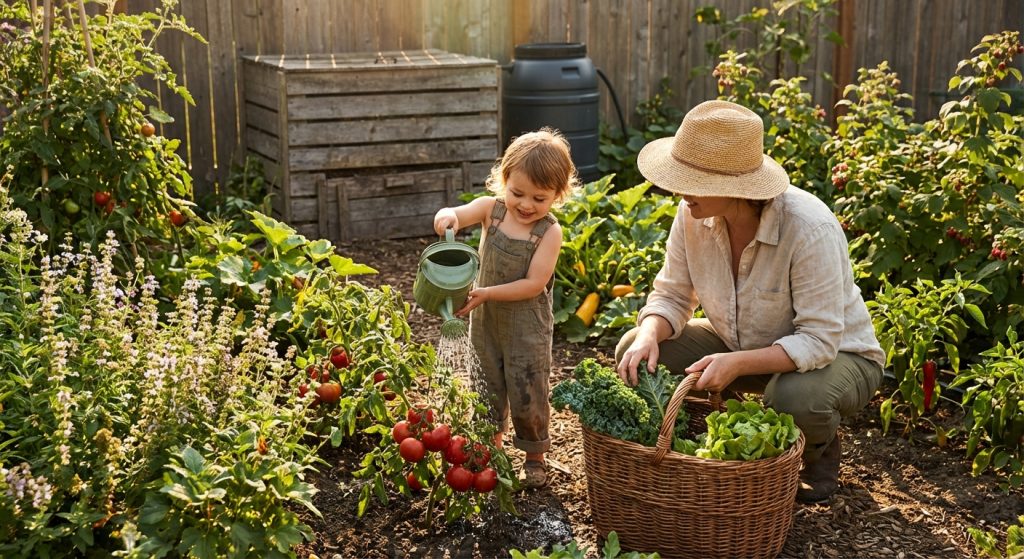
We can also grow our own food. Even a small herb garden can be rewarding. It connects children with nature. It also provides fresh ingredients. This aligns with principles of permaculture and self-sufficiency.
Healthy Homes, Healthy Planet
Our homes are our sanctuaries. Making them sustainable contributes to well-being. It also minimizes our environmental impact. This involves several key areas: energy, water, and indoor air quality.
Energy Efficiency at Home
Reducing energy consumption is paramount. Simple changes can make a big difference. Firstly, switch to energy-efficient LED lighting. Secondly, unplug electronics when not in use. Phantom load can consume significant energy. Also, consider investing in energy-efficient appliances.
Moreover, improving home insulation is a smart move. It keeps homes warmer in winter and cooler in summer. This reduces reliance on heating and cooling systems. For example, sealing drafts around windows and doors is an easy fix. Using smart thermostats can also optimize energy use. It helps to align with your circadian rhythm for better energy management.
Water Conservation
Water is a precious resource. Conserving water at home is essential. This involves fixing leaks promptly. It also means using water-saving fixtures. Low-flow showerheads and toilets are great examples. Furthermore, collect rainwater for gardening. This reduces reliance on municipal water supplies.
Also, be mindful of water usage in daily tasks. Shorter showers are better. Running the dishwasher or washing machine only when full saves water and energy. For example, turning off the tap while brushing teeth is a simple habit. These small actions collectively have a large impact.
Improving Indoor Air Quality
A healthy home has good indoor air quality. This is crucial for family health. Avoid harsh chemical cleaning products. Opt for natural or eco-friendly alternatives. Many conventional cleaners contain VOCs. These can be harmful to respiratory health.
Furthermore, houseplants can improve air quality. They naturally filter pollutants. Also, ensure good ventilation. Open windows regularly to let in fresh air. This is especially important in kitchens and bathrooms. This helps to reduce the risk of issues like environmental AMR reservoirs developing within the home.
Sustainable Wellness for the Family
Sustainable living is intrinsically linked to wellness. It promotes a healthier lifestyle for everyone. This involves physical, mental, and emotional well-being.
Physical Health and Nature
Spending time in nature is beneficial. It reduces stress. It improves mood. It also encourages physical activity. Therefore, family hikes, park visits, or gardening are excellent activities. These connect us with the environment. They also promote a healthy lifestyle.
Moreover, engaging in outdoor activities helps children develop. It fosters curiosity and resilience. For instance, exploring local parks or nature reserves offers endless learning opportunities. This aligns with the benefits of green space therapy.
Mental and Emotional Well-being
Sustainable practices can foster a sense of purpose. They empower families to make a positive impact. This contributes to mental well-being. It also reduces eco-anxiety. Engaging in activities like composting or recycling teaches responsibility. It also builds a sense of community.
Furthermore, mindfulness plays a role. Being present with family members is important. It strengthens bonds. It also reduces stress. For example, dedicating screen-free time for family activities is beneficial. This can include reading, playing games, or simply talking.
Learning about sustainability together can be a family project. It educates and inspires. This shared learning experience can be very bonding. It also instills important values in children. Exploring topics like holistic stress management can be a family endeavor.
Educating the Next Generation
Teaching children about sustainability is crucial. It empowers them to be responsible global citizens. Children are naturally curious. They are eager to learn about the world around them. Therefore, integrating eco-conscious practices into daily routines is effective.
Hands-On Learning
Involve children in sustainable activities. This could include gardening, recycling, or conserving water. Make it fun and engaging. For example, a compost bin can be a fascinating science experiment. It teaches about decomposition and waste reduction.
Visiting local farms or nature centers can also be educational. These experiences provide real-world context. They show children the importance of protecting our planet. They also highlight the interconnectedness of ecosystems. For instance, learning about how plants engineer soil can be a captivating lesson.
Leading by Example
Children learn best by observing adults. Your actions speak louder than words. Demonstrate sustainable habits consistently. Show them why these practices are important. For example, if you use reusable bags, explain why. Talk about reducing plastic pollution.
Moreover, encourage questions. Answer them honestly and age-appropriately. Foster a sense of wonder and respect for nature. This creates a foundation for lifelong eco-consciousness. It is a vital part of their education for the future.
Frequently Asked Questions (FAQ)
What are the most impactful changes a family can make for sustainable living?
The most impactful changes often involve reducing consumption and waste. This includes lowering energy and water usage, minimizing food waste through meal planning, and choosing reusable items over single-use plastics. Prioritizing plant-based meals and supporting local, sustainable food sources also have significant benefits.
How can I involve my children in sustainable practices without overwhelming them?
Start with simple, fun activities. Gardening, sorting recycling, or turning off lights when leaving a room are great starting points. Make it a game or a family challenge. Focus on positive actions and the benefits for the planet and their own health. Avoid making it feel like a chore.
Is sustainable living more expensive?
Initially, some sustainable choices might seem more expensive. For example, energy-efficient appliances or durable goods can have a higher upfront cost. However, in the long run, many sustainable practices save money. Reducing energy and water bills, minimizing waste that requires disposal, and buying fewer, higher-quality items often lead to cost savings over time.
How does sustainable living contribute to overall family wellness?
Sustainable living promotes a healthier lifestyle. It encourages eating more nutritious foods, spending time outdoors in nature, and reducing exposure to harmful chemicals. It also fosters a sense of purpose and responsibility, which can improve mental and emotional well-being for the entire family. For instance, learning about deep breathing techniques can be integrated into daily routines for stress management.
Conclusion
Embracing sustainable wellness living standards is a journey. It is a continuous process of learning and adapting. For families, it is an opportunity to create a healthier, more fulfilling life. It also contributes to a healthier planet for future generations. By making conscious choices in our daily lives, we can make a significant difference. From mindful consumption and sustainable food choices to creating eco-friendly homes and fostering well-being, every step counts.
Start small. Be consistent. Involve your family. The rewards are immense. They extend beyond environmental benefits. They encompass improved health, stronger family bonds, and a deeper connection to the world around us. Let us commit to building a sustainable future, one family at a time.
