
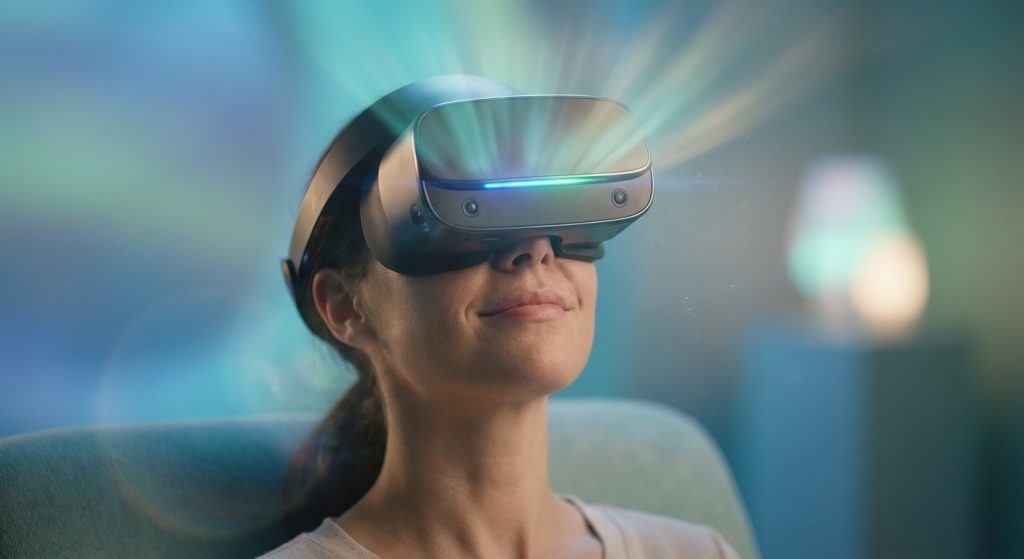
Virtual Reality (VR) therapy is transforming mental healthcare. It offers new ways to treat various conditions. Therefore, this technology is gaining traction. Many developers are exploring its potential. This article will delve into its progress. We will look at its benefits and challenges.
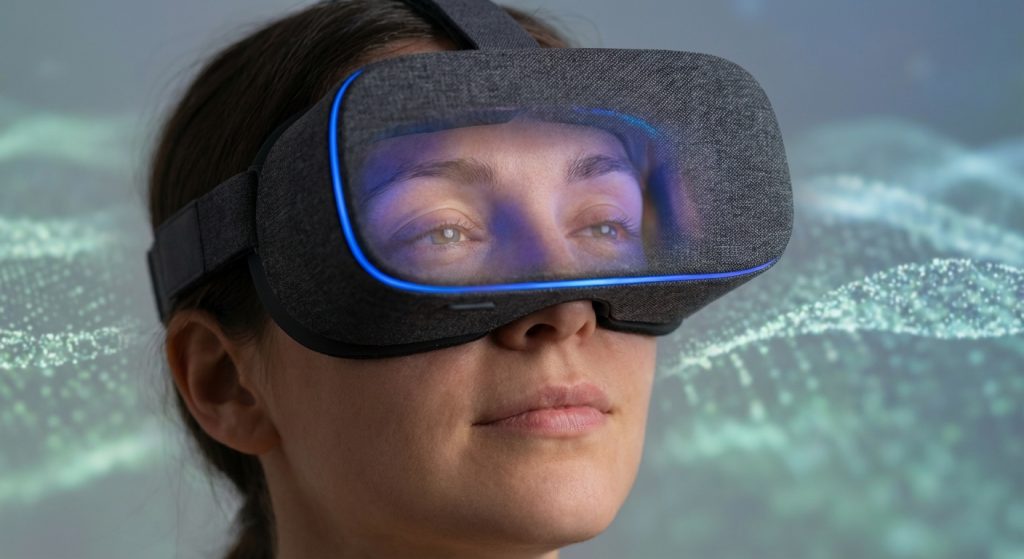
The Rise of Immersive Mental Health Solutions
Mental health challenges are widespread. Traditional therapies have limitations. VR therapy provides unique advantages. It creates immersive, controlled environments. This allows for exposure therapy in a safe space. For example, people with phobias can face their fears gradually. This controlled exposure is key to overcoming anxieties.
Furthermore, VR can simulate real-world scenarios. This is invaluable for social skills training. It helps individuals practice interactions. This is especially useful for those with social anxiety or autism spectrum disorder. The technology allows for repetition and feedback. As a result, learning becomes more effective.
Key Applications of VR Therapy
VR therapy is used for many conditions. These include anxiety disorders, PTSD, and depression. It also shows promise for pain management. For instance, VR can distract patients during painful procedures. This reduces the need for medication. It offers a non-pharmacological approach to pain relief. You can learn more about non-pharmacological pain management for further insights.
Moreover, VR is being used for addiction treatment. It helps individuals confront triggers. They can learn coping mechanisms in a virtual setting. This prepares them for real-life challenges. The immersive nature helps build resilience. It fosters a sense of agency and control.
Technological Advancements Driving Progress
The VR hardware is becoming more advanced. Headsets are lighter and more affordable. Furthermore, haptic feedback technology is improving. This adds a sense of touch to virtual experiences. It makes the simulations more realistic. As a result, the therapeutic impact is enhanced.
Software development is also crucial. Sophisticated algorithms create dynamic environments. These environments can adapt to user responses. This personalization is vital for effective therapy. Developers are creating specialized VR applications. These are designed specifically for mental health interventions. Therefore, the field is rapidly evolving.
The Role of Biofeedback in VR
Biofeedback integration is a significant development. This technology monitors physiological responses. Heart rate, skin conductance, and brainwaves can be tracked. This data informs the VR experience. For example, if a patient shows signs of stress, the environment can adjust. It might become more calming. This real-time adaptation enhances therapeutic outcomes. It ensures the experience remains within a productive zone.
This integration creates a feedback loop. It helps patients understand their own responses. They learn to regulate their emotions better. Consequently, they gain greater self-awareness. This is a powerful tool for long-term mental well-being. It empowers users to manage their own health.
Overcoming Challenges in VR Therapy Implementation
Despite its promise, VR therapy faces hurdles. One major challenge is accessibility. High-quality VR equipment can be expensive. This limits its availability to some individuals. Therefore, affordable solutions are needed. Developers are working on lower-cost options.
Another challenge is standardization. The field is still developing. There is a need for standardized protocols. This ensures consistency and efficacy. Research is ongoing to establish best practices. It is important to validate VR interventions rigorously. This builds trust and acceptance.
Ethical Considerations and Data Privacy
Ethical considerations are paramount. Patient data collected during VR sessions is sensitive. Robust privacy measures are essential. Developers must ensure data security. They need to comply with regulations like HIPAA. Transparency with users is also key. Patients should understand how their data is used.
Moreover, the potential for overuse or misuse must be addressed. VR experiences should be designed responsibly. They should always prioritize user well-being. The technology should augment, not replace, human connection. It is a tool to enhance care, not to isolate.
The Future of Virtual Reality in Mental Health
The future of VR therapy is bright. Continued technological advancements will make it more accessible. AI integration will personalize experiences further. AI can analyze patient data. It can then tailor VR environments for optimal results. This leads to more effective and efficient treatment.
Furthermore, VR may play a role in preventative mental health. Imagine VR programs designed to build resilience. These could be used by students or employees. They could help manage stress proactively. This could reduce the incidence of mental health issues. It is a proactive approach to well-being.
VR as a Complementary Therapy
VR therapy is unlikely to replace traditional methods entirely. Instead, it will likely serve as a powerful complement. It can enhance existing therapies. For example, it can be used alongside cognitive behavioral therapy (CBT). This combination can accelerate progress. It offers a multifaceted approach to care.
The synergy between VR and other wellness practices is also emerging. Think of combining VR with mindfulness or biofeedback. This holistic approach addresses multiple aspects of well-being. It creates a comprehensive treatment plan. This integrated approach is the future.
Frequently Asked Questions
Is VR therapy safe for everyone?
VR therapy is generally safe. However, some individuals might experience motion sickness or eye strain. It is crucial to consult with a healthcare professional. They can determine if VR therapy is suitable for your specific needs.
How does VR therapy differ from traditional therapy?
VR therapy uses immersive technology to create controlled environments. This allows for unique therapeutic interventions like exposure therapy in a safe setting. Traditional therapy relies on verbal interaction and in-office exercises. VR offers a more experiential approach.
What conditions can VR therapy treat?
VR therapy is effective for anxiety disorders, PTSD, depression, phobias, social anxiety, and addiction. It also shows promise for pain management and stress reduction. Research is continually expanding its applications.
Will VR therapy become the standard of care?
It is more likely that VR therapy will become a standard complementary tool. It enhances existing treatments. It may not entirely replace traditional therapy methods. However, its role in mental healthcare is certainly growing.
Conclusion: Embracing the Virtual Frontier
Virtual Reality therapy represents a significant leap forward. It offers innovative solutions for mental health challenges. The technology is rapidly advancing. Furthermore, its applications are expanding. While challenges remain, the potential benefits are immense. Developers, clinicians, and researchers are collaborating. They are working to make VR therapy more accessible and effective. Therefore, we can expect VR to play an increasingly vital role. It will help shape the future of mental healthcare. This immersive approach promises a more hopeful future for many.
