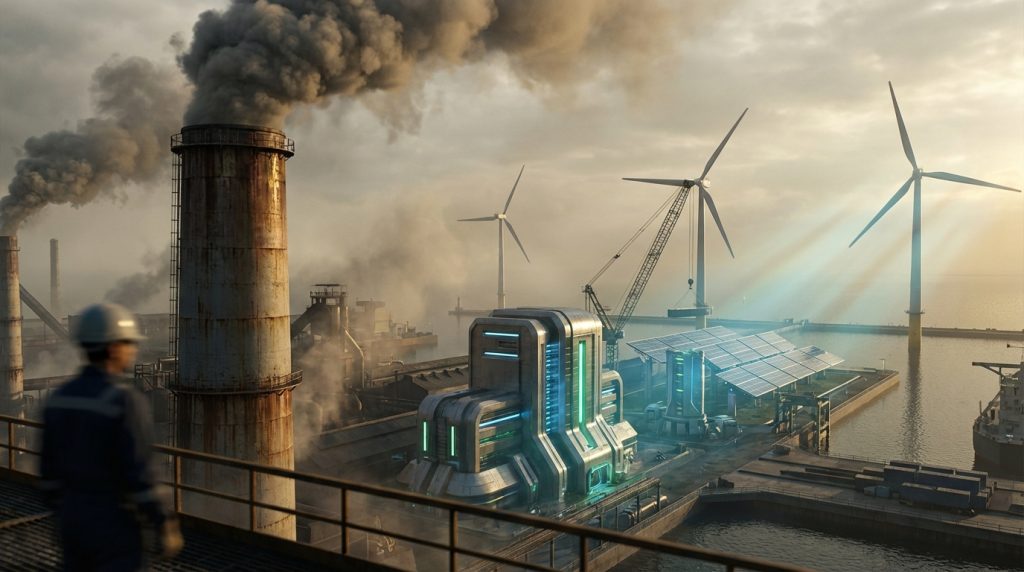
Heavy industry forms the backbone of our modern world. It provides essential materials for everything we build and use. However, these operations are also major sources of greenhouse gas emissions. Decarbonizing this sector is therefore critical for climate action. Industrial engineers play a pivotal role in this transformation. They must find innovative solutions to reduce their environmental impact. This article explores the challenges and opportunities in decarbonizing heavy industry.
The Scale of the Challenge
Heavy industries include sectors like steel, cement, chemicals, and manufacturing. These sectors are energy-intensive. They often rely on fossil fuels for heat and power. Furthermore, some industrial processes inherently release greenhouse gases. For instance, cement production releases CO2 when limestone is heated. This makes direct emission reductions difficult.
The sheer scale of these operations presents a significant hurdle. Retrofitting existing facilities with new technologies is costly. It also requires extensive planning and downtime. Moreover, the global demand for industrial products continues to grow. This means emission reduction efforts must be substantial to keep pace.
Key Strategies for Decarbonization
Fortunately, several promising strategies are emerging. These aim to tackle emissions across different industrial processes. They offer pathways to a more sustainable future for heavy industry.
Electrification of Processes
One of the most direct routes to decarbonization is electrification. Replacing fossil fuel-based heating and machinery with electric alternatives can eliminate direct emissions. This is particularly effective when the electricity is generated from renewable sources. For example, electric arc furnaces are already used in steelmaking. They offer a cleaner alternative to traditional blast furnaces.
However, this strategy depends heavily on grid decarbonization. If electricity is still generated from fossil fuels, the benefit is reduced. Therefore, a robust renewable energy infrastructure is essential. This transition requires significant investment in power generation and grid upgrades. It also necessitates the development of high-temperature electric heating solutions suitable for industrial needs.
Green Hydrogen as a Fuel and Feedstock
Green hydrogen, produced using renewable energy, is another vital tool. It can serve as a clean fuel for high-temperature processes where electrification is challenging. For example, it can be used in steel production and chemical manufacturing. Furthermore, hydrogen can act as a crucial feedstock in many chemical processes. This replaces fossil-fuel-derived hydrogen.
The production of green hydrogen is currently expensive. However, costs are expected to fall as technology advances and scale increases. Infrastructure for hydrogen storage and transport is also under development. Thus, widespread adoption will require considerable innovation and investment. This is a complex undertaking, but the potential rewards are immense.
Carbon Capture, Utilization, and Storage (CCUS)
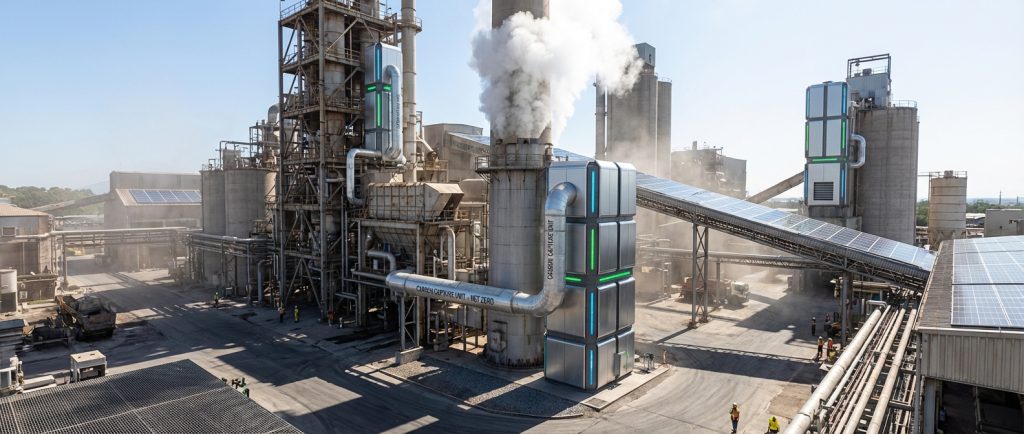
For emissions that are difficult to eliminate entirely, CCUS technologies offer a solution. Carbon capture systems can trap CO2 emissions at the source. This captured carbon can then be utilized in other products or stored permanently underground. This approach is especially relevant for processes with unavoidable CO2 releases, like cement production.
CCUS is still a developing technology. Its widespread deployment faces economic and technical challenges. The long-term storage of CO2 needs to be secure and environmentally sound. However, it remains a critical option for achieving deep decarbonization in hard-to-abate sectors. It can bridge the gap while other technologies mature.
Material Efficiency and Circular Economy Principles
Reducing the demand for virgin materials is also key. This involves improving material efficiency in production processes. It also means designing products for longevity and recyclability. Embracing circular economy principles helps minimize waste and resource consumption. For example, using recycled steel significantly reduces the energy and emissions associated with new steel production. This aligns with the principles of a circular supply chain.
Implementing these strategies requires a shift in design and manufacturing philosophies. It also necessitates better waste management and recycling infrastructure. Industrial engineers can drive this by designing products and processes with a life-cycle perspective. This approach minimizes environmental impact from cradle to grave. It also creates new business opportunities.
Process Innovation and Novel Materials
Beyond existing technologies, breakthrough innovations are crucial. This includes developing entirely new industrial processes. It also involves creating novel materials with lower environmental footprints. For instance, research is ongoing into alternative binders for cement. New methods for producing plastics from renewable sources are also being explored.
These innovations often require significant R&D investment. They may also involve a longer timeline for commercialization. However, they hold the potential for transformative change. They can fundamentally alter how industries operate and what materials we use.
The Role of Industrial Engineers
Industrial engineers are at the forefront of this decarbonization effort. Their expertise in optimizing systems and processes is invaluable. They are responsible for:
- Analyzing existing industrial operations to identify emission hotspots.
- Designing and implementing new, low-carbon technologies.
- Optimizing energy efficiency in manufacturing processes.
- Developing and managing supply chains for sustainable materials and fuels.
- Assessing the economic feasibility and environmental impact of decarbonization strategies.
- Ensuring safety and operational reliability during technology transitions.
Furthermore, industrial engineers must stay abreast of emerging trends and research. They need to collaborate with scientists, policymakers, and other stakeholders. This multidisciplinary approach is essential for success. Their work is vital for ensuring that industrial growth does not come at the planet’s expense.
Policy and Economic Drivers
Government policies and economic incentives play a significant role. Carbon pricing mechanisms, such as carbon taxes or emissions trading schemes, can make polluting more expensive. This encourages companies to invest in cleaner alternatives. Subsidies and tax credits for renewable energy and low-carbon technologies can accelerate adoption. Clear regulatory frameworks provide certainty for businesses.
The growing consumer and investor demand for sustainable products also drives change. Companies that embrace decarbonization can gain a competitive advantage. They can enhance their brand reputation and attract investment. Exploring green finance options is also becoming increasingly important for funding these transitions.
Case Studies and Examples
Several industries are already making strides. The steel industry is exploring hydrogen-based direct reduction. Cement manufacturers are experimenting with alternative clinkers and CCUS. The chemical sector is focusing on electrifying processes and using bio-based feedstocks. These examples demonstrate that decarbonization is achievable. They provide valuable lessons for other sectors.
For instance, some companies are setting ambitious net-zero targets. They are developing detailed roadmaps to achieve these goals. These efforts highlight a growing commitment to sustainability. Crafting a net-zero strategy roadmap is becoming a standard practice.
Future Outlook
The path to decarbonizing heavy industry is challenging but necessary. It requires a combination of technological innovation, strategic investment, and supportive policies. Industrial engineers will continue to be central to this mission. Their ability to integrate complex systems and drive efficiency will be paramount.
As technologies mature and costs decrease, we can expect to see more widespread adoption of low-carbon solutions. The transition will likely be gradual, with different sectors progressing at different rates. However, the long-term trend is clear: heavy industry must become sustainable. This shift is essential for a healthy planet and a prosperous future.
Frequently Asked Questions (FAQ)
What are the biggest sources of emissions in heavy industry?
The largest sources are typically energy consumption for heat and power, and process emissions. Sectors like steel and cement production have significant inherent process emissions.
How does green hydrogen help decarbonize industry?
Green hydrogen can replace fossil fuels as a clean energy source for high-temperature processes. It can also be used as a feedstock in chemical production, replacing fossil-derived hydrogen.
What is the role of carbon capture in industrial decarbonization?
Carbon capture, utilization, and storage (CCUS) technologies trap CO2 emissions from industrial sources. This prevents them from entering the atmosphere. The captured CO2 can be used or stored.
Can heavy industry become completely carbon neutral?
Achieving complete carbon neutrality is a significant challenge. However, with a combination of electrification, green hydrogen, CCUS, and process innovation, deep decarbonization is achievable. Some residual emissions might require offsets.
What are the economic implications of decarbonizing heavy industry?
The transition requires substantial investment in new technologies and infrastructure. However, it also presents opportunities for new markets, job creation, and long-term cost savings through energy efficiency.