

Agri Tech Investors, listen up. A revolution is underway. It’s called regenerative agribusiness. This isn’t just farming. It’s about healing the planet. It’s also about building resilient food systems. Therefore, it presents a compelling investment opportunity. Let’s explore why regenerative ag matters. We will also look at its potential for significant returns.
What is Regenerative Agribusiness?
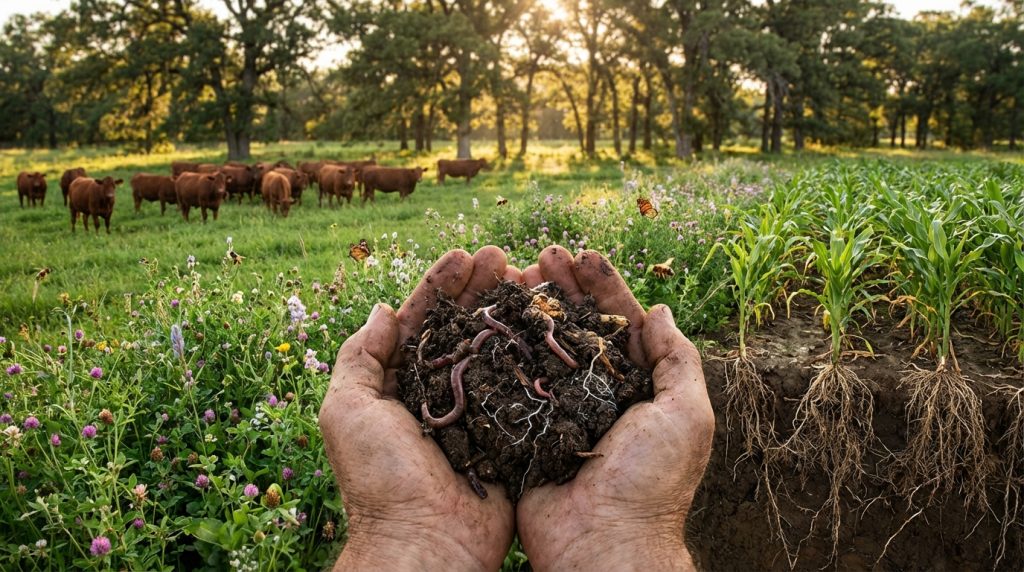
Regenerative agribusiness goes beyond sustainability. Sustainability aims to maintain the status quo. Regenerative practices, however, actively improve the environment. They focus on rebuilding soil health. They also enhance biodiversity. Furthermore, they improve the water cycle. Crucially, they sequester carbon from the atmosphere. In essence, it’s about farming in harmony with nature. It’s a holistic approach to agriculture. This approach benefits the land, the farmer, and the consumer.
Key Principles of Regenerative Ag
Several core principles guide regenerative practices. These principles work together. They create a synergistic effect. Understanding these is key for investors.
- Soil Health: This is the foundation. Practices like no-till farming and cover cropping are vital. They build organic matter. They also improve soil structure. Healthy soil holds more water. It also supports a diverse microbiome.
- Biodiversity: Regenerative systems encourage a wide variety of life. This includes insects, birds, and soil organisms. Biodiversity strengthens the ecosystem. It also reduces the need for synthetic inputs.
- Water Management: Practices focus on infiltration and retention. Healthy soil acts like a sponge. This reduces runoff and erosion. Therefore, it conserves precious water resources.
- Carbon Sequestration: Plants draw carbon dioxide from the air. They store it in the soil. This process helps combat climate change. Regenerative ag can turn farms into carbon sinks.
- Animal Integration: Livestock are managed thoughtfully. They can be used to improve soil fertility. Rotational grazing, for instance, mimics natural patterns.
The Business Case for Investors
Why should Agri Tech Investors care about regenerative agriculture? The reasons are manifold. Firstly, it addresses growing market demand. Consumers increasingly seek sustainably produced food. They want products that are good for them and the planet. Secondly, regenerative practices can reduce input costs. Less reliance on synthetic fertilizers and pesticides saves money. This leads to improved profit margins. Thirdly, it builds resilience against climate change. Droughts and extreme weather pose risks. Regenerative farms are better equipped to withstand them. Finally, it opens new revenue streams. Carbon credits are a prime example. Companies can be paid for sequestering carbon.
Market Growth and Opportunities
The market for regenerative products is expanding rapidly. Consumers are more aware than ever. They are demanding transparency. They want food that aligns with their values. This creates a significant opportunity for innovation. Agri Tech companies can develop solutions. These solutions support regenerative practices. Examples include advanced soil sensors. Precision agriculture tools are also crucial. Furthermore, data platforms for carbon tracking are needed. The global regenerative agriculture market is projected to grow substantially. This growth is driven by environmental concerns and consumer preferences.
Reducing Risk and Building Resilience
Traditional agriculture faces increasing risks. Climate volatility is a major concern. Soil degradation is another critical issue. Regenerative practices directly address these challenges. By improving soil health, farms become more resilient. They can better withstand droughts. They also recover faster from floods. This reduced risk profile is attractive to investors. It suggests more stable and predictable returns. Investing in regenerative ag is an investment in a more secure food future.
Technology’s Role in Regenerative Ag
Technology is a critical enabler for regenerative agribusiness. It allows for scale and precision. Without it, widespread adoption would be difficult. Agri Tech firms are at the forefront of this innovation. They are developing tools that support farmers. These tools help monitor and manage regenerative systems effectively.
Key Technological Innovations
- Soil Health Monitoring: Advanced sensors can measure soil organic matter. They also track moisture levels and microbial activity. This data helps farmers make informed decisions.
- Precision Agriculture: Tools like drones and AI help optimize resource use. They enable targeted application of water and nutrients. This minimizes waste.
- Carbon Sequestration Measurement: Technology is emerging to accurately measure carbon stored in soil. This is essential for the carbon credit market.
- Biodiversity Tracking: AI-powered systems can monitor wildlife and insect populations. This helps farmers understand and enhance on-farm biodiversity.
- Data Management Platforms: Integrated platforms help farmers manage all their regenerative data. They provide insights into soil health, yields, and environmental impact.
These technologies are not just tools. They are investment opportunities. Companies developing these solutions are poised for growth. They are essential for scaling regenerative practices globally. You can learn more about related innovations in areas like regenerative agriculture and carbon sequestration.
Challenges and Considerations
While the outlook is bright, challenges remain. Transitioning to regenerative practices can be complex. Farmers need education and support. Initial investment costs can also be a barrier. However, these challenges present opportunities for innovation and investment. For instance, new financial models are emerging. These models help de-risk the transition for farmers. Furthermore, clear policy support is crucial. Governments can incentivize regenerative adoption. Investors should also look for companies addressing these hurdles.
The Transition Period
Moving from conventional to regenerative farming is a process. It requires a shift in mindset and practices. Farmers may need new equipment. They also need to learn new techniques. Therefore, support systems are vital. This includes extension services and peer-to-peer learning networks. Investors can back companies that provide these services. They can also support educational initiatives.
Navigating Policy and Regulation
Government policies play a significant role. Supportive policies can accelerate adoption. Tax incentives for regenerative practices are beneficial. Clear regulations around carbon markets are also important. Investors should consider the policy landscape. They should favor regions with supportive frameworks. This ensures a more stable operating environment. Understanding the broader impact of such shifts is also important. For example, the focus on environmental stewardship aligns with broader ESG goals. You can explore related topics like transparent ESG reporting.
Investing in the Future of Food
Regenerative agribusiness represents more than just a trend. It is a fundamental shift in how we produce food. It addresses critical environmental and social issues. For Agri Tech Investors, it offers a chance to generate strong financial returns. It also allows for positive impact. By investing in regenerative solutions, you are investing in a healthier planet. You are also investing in a more resilient and sustainable future for food production. This sector is ripe for innovation. It requires capital and expertise. Therefore, it presents a unique opportunity for forward-thinking investors.
Conclusion
Regenerative agribusiness is a powerful model for the future. It heals the land while feeding the world. It offers a compelling blend of profitability and purpose. As an Agri Tech Investor, understanding its principles is essential. Identifying innovative companies in this space is key. The technologies supporting this shift are diverse. They range from soil sensors to carbon accounting platforms. By investing wisely, you can be part of this vital transformation. You can help build a food system that nourishes both people and the planet.
Frequently Asked Questions (FAQ)
What is the primary difference between sustainable and regenerative agriculture?
Sustainable agriculture aims to maintain current conditions. Regenerative agriculture, on the other hand, seeks to actively improve environmental conditions. It focuses on rebuilding soil health, enhancing biodiversity, and sequestering carbon.
What are the main benefits of regenerative agriculture for farmers?
Farmers benefit from reduced input costs (less fertilizer, pesticides). They also experience improved soil health, leading to better water retention and resilience against extreme weather. Additionally, they can potentially earn revenue from carbon credits.
How can technology support regenerative farming practices?
Technology aids in soil health monitoring, precision application of resources, accurate measurement of carbon sequestration, biodiversity tracking, and data management. These tools enable farmers to implement and optimize regenerative methods effectively.
What are the biggest challenges facing regenerative agriculture adoption?
Challenges include the complexity of transitioning practices, initial investment costs for farmers, and the need for robust education and support systems. Policy and regulatory frameworks also need to be supportive.
What kind of return on investment can be expected from regenerative agribusiness ventures?
Returns can be strong, driven by growing consumer demand for sustainable products, reduced operational costs, and new revenue streams like carbon credits. The long-term resilience of these operations also contributes to stable returns.
