
Clean Tech Infrastructure: Investing in a Sustainable Future
Published on January 27, 2026 by Admin

The world is changing. Climate change demands action. Investors are looking for opportunities. Clean tech infrastructure is a growing sector. It offers significant potential for returns. It also addresses critical environmental needs. This article explores clean tech infrastructure. It will cover key areas and investment considerations.
The Rise of Clean Tech Infrastructure
Clean technology, or cleantech, is vital. It aims to improve environmental performance. This includes energy, transportation, and waste management. Infrastructure is the backbone of these systems. Therefore, investing in clean tech infrastructure is crucial. It supports the transition to a low-carbon economy.
Many factors drive this growth. Growing awareness of climate risks is one. Government policies also play a role. They often incentivize green investments. Furthermore, technological advancements are rapid. This makes clean tech solutions more viable. As a result, demand for clean infrastructure is soaring.
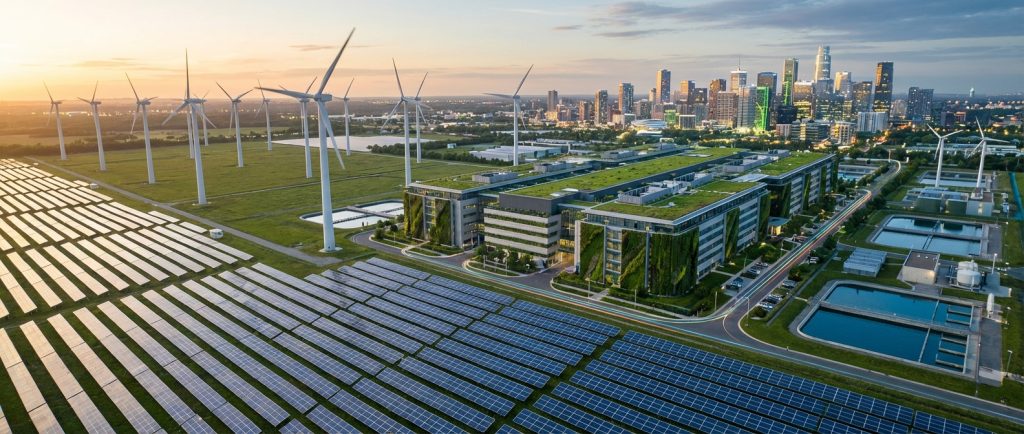
Key Investment Areas in Clean Tech Infrastructure
Several sectors are prominent. These offer diverse investment opportunities. Let’s look at some key areas.
Renewable Energy Generation
This is a cornerstone of clean tech. It includes solar, wind, and hydropower. Investment here focuses on building and maintaining power plants. It also includes grid modernization. The global renewable energy market is expanding rapidly. For instance, solar power is becoming more affordable. Wind power continues to grow in efficiency. Hydropower remains a stable source.
Investment in renewable energy is essential. It directly reduces reliance on fossil fuels. It also helps stabilize energy prices. Therefore, this sector presents strong long-term potential. You can explore more about renewable energy investment opportunities.
Energy Storage Solutions
Renewable energy sources are intermittent. Solar power isn’t available at night. Wind power depends on wind speed. Energy storage is vital to overcome this. Battery technology is advancing quickly. Other storage methods include pumped hydro and thermal storage. Investment in this area is critical for grid stability.
As renewable penetration increases, storage becomes more important. It ensures a consistent power supply. This is key for grid reliability. Therefore, storage solutions are a high-growth area. They are essential for a fully decarbonized grid.
Sustainable Transportation
Transportation is a major source of emissions. Clean tech here focuses on electric vehicles (EVs). It also includes charging infrastructure. Furthermore, sustainable aviation fuels (SAFs) are emerging. Public transport electrification is also key. Investment is needed in charging networks and battery production. SAFs require new production facilities. This sector is undergoing a major transformation.
The shift to EVs is undeniable. Governments are setting ambitious targets. This creates significant demand for infrastructure. For example, building out EV charging stations is a priority. Sustainable aviation fuels are also gaining traction. This offers a path to decarbonize air travel. You can learn more about sustainable aviation fuels.
Green Buildings and Smart Cities
Buildings consume significant energy. Green building standards aim to reduce this. This includes energy-efficient materials and design. Smart city technology integrates these concepts. It uses data to optimize resource use. Investment is in sustainable construction materials. It also includes smart grid technologies and energy management systems. Green building standards are becoming a norm. This trend is driven by regulations and consumer demand.
Smart city initiatives aim for efficiency. They improve quality of life. They also reduce environmental impact. Examples include smart waste management and efficient lighting. Investing in green buildings aligns with sustainability goals. It also offers long-term operational savings. Explore green building standards for more insights.
Water Infrastructure and Management
Water scarcity is a growing concern. Clean tech solutions focus on efficient water use. This includes advanced water treatment and recycling. Desalination plants are also important. Investment is needed in infrastructure for water conservation. It also covers technologies for water purification. Water is a finite resource. Its management is critical for sustainability.
Investing in water infrastructure is vital. It ensures access to clean water. It also supports agriculture and industry. Technological advancements are making water solutions more accessible. For example, innovations in desalination are reducing costs. You can find more information on circular water systems.
Waste Management and Circular Economy
Traditional waste disposal is unsustainable. Clean tech focuses on waste reduction. It also promotes recycling and upcycling. The circular economy model is gaining traction. It aims to keep resources in use. Investment opportunities exist in recycling facilities. They also include waste-to-energy plants. Furthermore, businesses focused on material reuse are growing. This sector is crucial for resource conservation.
A circular economy offers significant benefits. It reduces landfill waste. It also creates new economic opportunities. For example, advanced sorting technologies improve recycling rates. Waste-to-energy can provide a renewable power source. This area is key for a sustainable future.
Investment Considerations for Infrastructure Funds
Infrastructure funds have unique needs. They seek stable, long-term returns. Clean tech infrastructure fits this profile well. However, several factors need careful consideration.
Regulatory and Policy Landscape
Government policies heavily influence clean tech. Subsidies, tax credits, and regulations matter. These can significantly impact project viability. Therefore, understanding the policy landscape is essential. It helps in assessing risks and opportunities. For instance, carbon pricing mechanisms can boost clean tech investments. Conversely, policy uncertainty can deter investment.
Stable and supportive policies are crucial. They provide the certainty needed for long-term investments. Funds must monitor policy changes closely. This ensures they remain aligned with market trends. Transparency in reporting is also key. You might find transparent ESG reporting valuable.
Technological Evolution and Obsolescence
Technology in clean tech is fast-evolving. This can be an advantage. However, it also poses a risk of obsolescence. Investments must consider the lifespan of technologies. They should also account for future upgrades. Funds need to assess the maturity of technologies. They should also consider the potential for disruption. Investing in proven, scalable technologies is often wise.
It is important to balance innovation with stability. Emerging technologies offer high growth potential. However, they also carry higher risks. Therefore, a diversified approach is recommended. This includes investing in both established and nascent technologies. Understanding climate tech unicorn trends can offer insights.
Project Development and Execution Risks
Infrastructure projects are complex. They involve significant capital expenditure. Risks include construction delays and cost overruns. Permitting and land acquisition can also be challenging. Funds need robust due diligence processes. They must also have strong project management capabilities. Partnering with experienced developers is often beneficial. This mitigates execution risks effectively.
Thorough risk assessment is paramount. This includes technical, financial, and environmental risks. A clear understanding of these risks is vital. It allows for better risk mitigation strategies. Ultimately, successful execution leads to stable returns.
Financing and Capital Structure
Infrastructure projects often require substantial financing. Funds need to structure capital efficiently. This involves debt and equity financing. The cost of capital is a key determinant of returns. Access to long-term, stable financing is advantageous. Public-private partnerships can also be explored. They can help share risks and leverage resources. The right capital structure is critical for project success.
Careful consideration of financing options is necessary. It impacts project feasibility and profitability. Funds should also assess currency and interest rate risks. These can affect long-term project economics. Understanding when to lock interest rates is important.
ESG Integration and Impact Measurement
Environmental, Social, and Governance (ESG) factors are critical. Investors increasingly demand strong ESG performance. Clean tech infrastructure inherently aligns with environmental goals. However, social and governance aspects also matter. Funds must measure and report on their impact. This builds trust with stakeholders. It also enhances long-term value. Robust ESG integration is no longer optional.
Measuring impact goes beyond financial returns. It includes environmental benefits and social contributions. Funds should have clear metrics for this. For example, carbon emissions reduced is a key metric. Social impact can include job creation. Mastering ESG integration strategies is vital for modern portfolios.
The Future Outlook
The future of clean tech infrastructure is bright. Global efforts to combat climate change will continue. Technological innovation will accelerate. Demand for sustainable solutions will grow. As a result, infrastructure funds are well-positioned. They can capitalize on this significant growth trend. Investing in clean tech infrastructure is not just profitable. It is also essential for a sustainable planet.
The transition to a green economy is a long-term trend. It offers enduring investment opportunities. Therefore, infrastructure funds should explore this sector. They can contribute to positive change. They can also achieve attractive financial returns. This synergy makes clean tech infrastructure a compelling investment.
Frequently Asked Questions (FAQ)
What is clean tech infrastructure?
Clean tech infrastructure refers to the physical assets and systems that support clean technologies. This includes renewable energy power plants, EV charging networks, smart grids, water treatment facilities, and sustainable waste management systems.
Why are infrastructure funds interested in clean tech?
Infrastructure funds are attracted to clean tech due to its long-term growth potential. These investments often offer stable, predictable cash flows. They also align with increasing investor demand for sustainable and ESG-focused assets.
What are the main risks in clean tech infrastructure investing?
Key risks include policy and regulatory uncertainty, rapid technological change leading to obsolescence, project execution challenges (e.g., construction delays), and financing complexities.
How can ESG factors be integrated into clean tech infrastructure investments?
ESG integration involves assessing environmental impacts (e.g., carbon footprint), social aspects (e.g., community engagement, labor practices), and governance quality (e.g., board oversight, transparency). Funds should measure and report on these factors to demonstrate commitment and manage risks.
What is the role of government policy in clean tech infrastructure?
Government policies, such as subsidies, tax incentives, and regulations, are crucial drivers for clean tech infrastructure development. They can de-risk investments, encourage innovation, and accelerate the transition to a low-carbon economy.
