
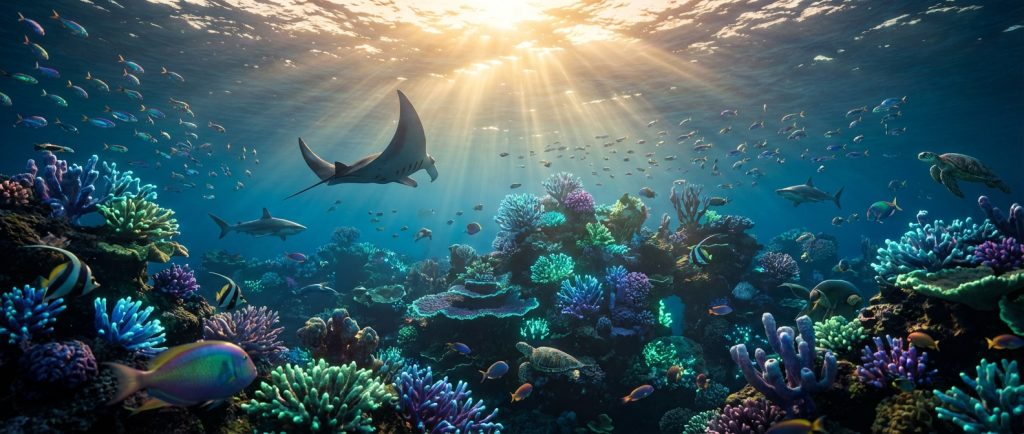
Our oceans are vital. They regulate our climate. They provide food for billions. However, they face many threats. Pollution, climate change, and overfishing are serious issues. Thankfully, technology offers new hope. Ocean conservation tech is emerging rapidly. These innovations are crucial for marine life. They help us understand and protect our seas.
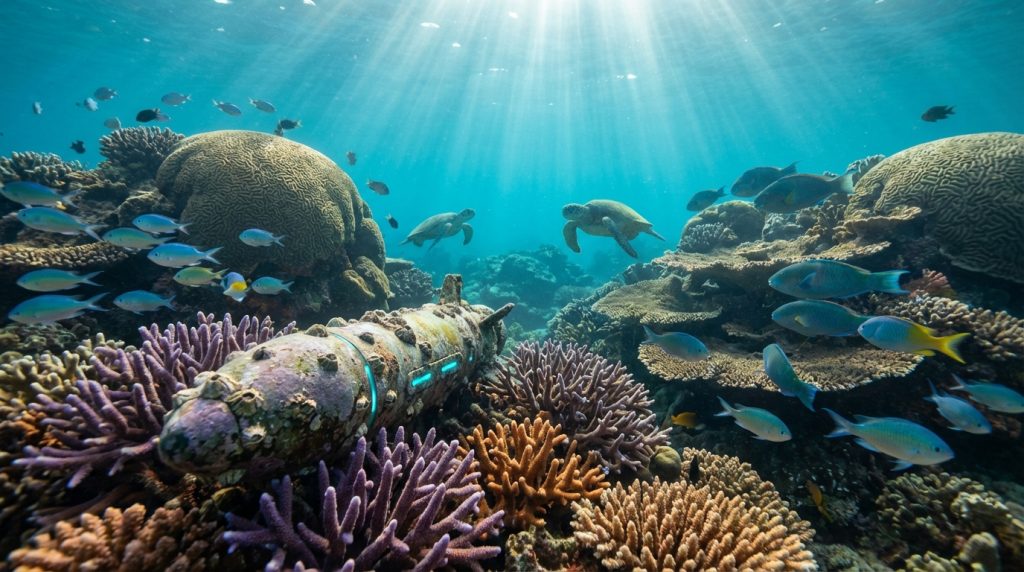
Monitoring the Deep Blue
Understanding ocean health is the first step. Technology allows us to monitor vast marine areas. This is essential for effective conservation. Previously, this was very difficult. Now, we have better tools.
Satellite Imagery and Remote Sensing
Satellites provide a bird’s-eye view. They monitor sea surface temperature. They also track ocean currents. Furthermore, they detect algal blooms. These blooms can harm marine life. Satellite data helps predict and manage these events. It also tracks plastic pollution hotspots. This information guides cleanup efforts.
Autonomous Underwater Vehicles (AUVs)
AUVs are like robotic submarines. They explore the ocean depths. They collect data on water quality. They also map the seafloor. Some AUVs are designed for specific tasks. For example, they can monitor coral reefs. Others track marine mammal movements. These vehicles can go where humans cannot easily reach. They gather data continuously.
Acoustic Monitoring
Sound travels well underwater. Acoustic sensors listen to ocean sounds. They can identify different marine species. They also detect illegal fishing activities. This technology helps us understand marine ecosystems better. It provides non-invasive monitoring. We can learn about animal behavior. We can also assess ecosystem health.
Combating Pollution
Pollution is a major threat to oceans. Plastic waste is a significant problem. Oil spills also cause great damage. Technology is developing solutions for these issues.
Ocean Cleanup Technologies
Several technologies aim to remove plastic. Floating barriers collect debris. These systems concentrate waste. Then, specialized vessels remove it. Some technologies focus on microplastics. They use advanced filtration methods. These efforts are vital for reducing ocean plastic. It is a daunting but necessary task.
Advanced Oil Spill Response
When spills occur, quick action is needed. New technologies improve response times. Drones can assess spill size rapidly. They also identify containment needs. Innovative sorbent materials absorb oil effectively. Bioremediation uses microbes to break down oil. These advancements minimize environmental damage.
Wastewater Treatment Innovations
Pollution often starts on land. Improved wastewater treatment is key. Advanced filtration systems remove more pollutants. They can even recover valuable resources. This prevents harmful substances from entering waterways. Therefore, it protects coastal and marine environments.
Protecting Marine Life
Marine species are under immense pressure. Technology aids in their protection and recovery.
Biodiversity Monitoring and Tracking
Understanding species distribution is crucial. Drones and AI-powered image analysis help. They identify and count marine animals. GPS tags track migratory patterns. This data informs conservation strategies. It helps establish marine protected areas. We can also identify threats to specific species.
Artificial Reefs and Habitat Restoration
Damaged habitats need restoration. Technology helps create artificial reefs. These structures provide new homes for marine life. They can be made from sustainable materials. 3D printing is also used. This allows for complex, customized designs. Seagrass and coral restoration projects use advanced techniques. They aim to rebuild vital ecosystems.
Sustainable Aquaculture
Overfishing depletes wild fish stocks. Sustainable aquaculture offers an alternative. Advanced farming systems minimize environmental impact. They use less water and feed. Recirculating aquaculture systems (RAS) are a good example. These closed-loop systems recycle water. They also treat waste effectively. This approach can feed more people. It also reduces pressure on wild populations.
Data, AI, and the Future
The role of data and AI is growing. These tools are transforming ocean conservation.
AI for Data Analysis
The ocean generates vast amounts of data. AI can process this information quickly. It identifies patterns and trends. Machine learning models predict environmental changes. They can also detect anomalies. This helps scientists make informed decisions. For instance, AI can analyze sonar data to identify marine life. This greatly speeds up research.
Digital Twins of Marine Ecosystems
Digital twins are virtual replicas of real-world systems. Scientists are creating them for marine ecosystems. These models simulate environmental changes. They help test conservation strategies virtually. This reduces risks in real-world applications. It allows for predictive modeling. We can see the potential impact of our actions.
Citizen Science Platforms
Engaging the public is vital. Technology enables citizen science. Apps allow people to report sightings. They can also log pollution incidents. This crowdsourced data is invaluable. It expands monitoring efforts greatly. It also raises public awareness. Everyone can contribute to ocean health. For example, reporting plastic litter helps cleanup efforts. You can learn more about citizen science for soil health and apply similar principles to marine environments.
Challenges and Opportunities
Despite advancements, challenges remain. Funding is often a barrier. Deploying technology in harsh marine environments is difficult. Data sharing and standardization are also issues. However, the opportunities are immense.
Collaboration is key. Scientists, engineers, and policymakers must work together. Investment in ocean tech is growing. This sector is ripe for innovation. We need to continue developing and deploying these tools. The future of our oceans depends on it.
Frequently Asked Questions
What are the biggest threats to ocean conservation?
The biggest threats include pollution (plastic, chemical, noise), climate change (ocean warming, acidification), overfishing, and habitat destruction. Technology plays a role in understanding and mitigating these threats.
How does AI help in ocean conservation?
AI helps analyze vast amounts of ocean data rapidly. It can identify marine species, predict environmental changes, detect pollution, and optimize conservation strategies. Machine learning models are crucial for processing complex datasets.
What are some examples of ocean cleanup technologies?
Examples include floating barriers to collect surface plastic, advanced filtration systems for microplastics, and bioremediation techniques to break down oil spills. Specialized vessels are used to remove collected debris.
Why is sustainable aquaculture important?
Sustainable aquaculture is important because it can provide a reliable food source without depleting wild fish populations. Advanced systems minimize environmental impact, such as water usage and waste. This helps reduce pressure on marine ecosystems.
Can technology really solve the ocean pollution crisis?
Technology offers powerful tools for monitoring, cleanup, and prevention. However, it is not a silver bullet. It must be combined with policy changes, reduced consumption, and increased public awareness to truly solve the crisis.
Conclusion
Ocean conservation technology is rapidly evolving. It offers powerful new ways to monitor, protect, and restore marine ecosystems. From satellite imagery to AI-driven analysis and autonomous vehicles, these innovations are vital. They provide critical data. They enable targeted interventions. They also foster public engagement. By embracing and investing in these technologies, we can work towards healthier, more resilient oceans for generations to come. Therefore, continued research and development are essential. We must also ensure equitable access to these tools. Ultimately, a healthy ocean means a healthy planet.
