
The Evolving Grid: Navigating Modernization Trends
Published on January 27, 2026 by Admin
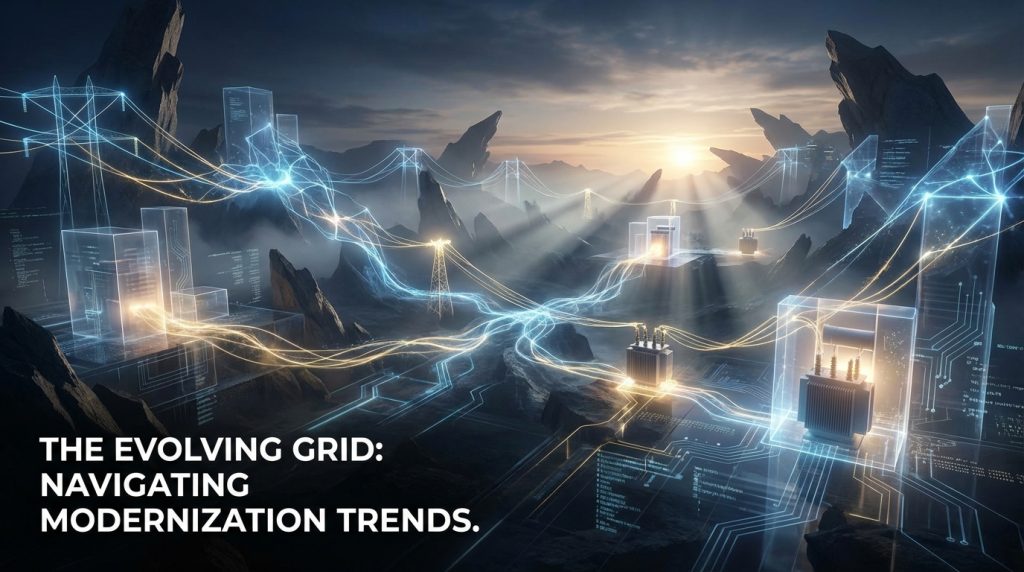
The utility sector is at a critical juncture. Traditional power grids, built for a simpler era, are facing unprecedented challenges. These include increasing demand, the integration of renewable energy sources, and the growing threat of climate change. Therefore, grid modernization is no longer an option; it’s a necessity. This transformation is vital for ensuring reliability, affordability, and sustainability. Furthermore, it’s about building a resilient energy future for all.
This article explores the key trends driving grid modernization. We will delve into the technologies and strategies shaping the future of energy delivery. For utility executives, understanding these shifts is paramount. It allows for informed decision-making and strategic investment.
The Imperative for Change
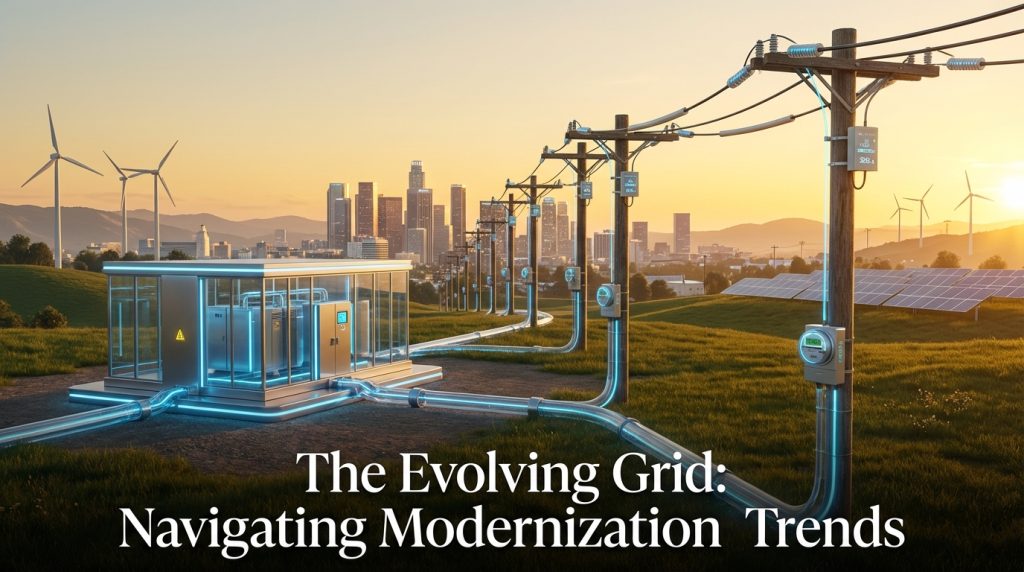
For decades, the electric grid operated on a one-way flow of electricity. Power was generated centrally and distributed to consumers. However, this model is becoming increasingly outdated. Distributed energy resources (DERs), like rooftop solar, are changing the landscape. They introduce bi-directional power flow. This complexity requires a more intelligent and flexible grid. Moreover, aging infrastructure needs substantial upgrades to prevent failures.
Climate change also plays a significant role. Extreme weather events can severely disrupt power supply. Modernization efforts focus on building resilience. This means creating a grid that can withstand and recover quickly from such events. Therefore, investments in grid modernization are investments in our collective future.
Key Grid Modernization Trends
Several interconnected trends are driving the evolution of the grid. These advancements are transforming how we generate, distribute, and consume electricity.
1. Smart Grid Technologies
The “smart grid” is the foundation of modernization. It integrates digital communication technology into the grid. This allows for real-time monitoring and control. Smart meters are a prime example. They provide detailed energy usage data to both utilities and consumers. This data enables better load forecasting and demand-side management.
In addition, smart grid technologies facilitate the integration of renewables. They help manage the intermittency of sources like solar and wind. Advanced sensors and communication networks provide unprecedented visibility. This visibility is crucial for optimizing grid operations. As a result, utilities can respond more quickly to outages and changing energy needs.
2. Integration of Renewable Energy Sources
The global shift towards clean energy is a major catalyst for grid modernization. Integrating variable renewable energy (VRE) sources like solar and wind presents unique challenges. Their output fluctuates based on weather conditions. Therefore, the grid must become more flexible and responsive.
This involves advanced forecasting tools and energy storage solutions. Battery storage, in particular, is becoming increasingly important. It can store excess renewable energy and release it when needed. This helps to smooth out supply and ensure grid stability. Furthermore, microgrids are gaining traction. They can operate independently or connected to the main grid, enhancing resilience.
3. Energy Storage Solutions
Energy storage is a critical enabler of grid modernization. Batteries are the most prominent technology. However, other forms of storage, such as pumped hydro and compressed air energy storage, also play a role. Storage solutions help to:
- Balance supply and demand, especially with intermittent renewables.
- Provide backup power during outages.
- Support grid stability by managing voltage and frequency.
- Enable new grid services, like frequency regulation.
The declining cost of battery technology is accelerating its adoption. This makes grid-scale storage more economically viable. Consequently, utilities can leverage storage to enhance reliability and integrate more clean energy. This is a significant step towards a sustainable energy future.
4. Digitalization and Data Analytics
The modern grid generates vast amounts of data. This data comes from smart meters, sensors, and operational systems. Advanced analytics and artificial intelligence (AI) are essential for making sense of this information. These tools enable utilities to:
- Predict equipment failures before they happen.
- Optimize energy distribution in real-time.
- Identify patterns in energy consumption.
- Enhance cybersecurity measures.
Digitalization also improves customer engagement. Utilities can offer personalized energy insights and services. This empowers consumers to manage their energy use more effectively. Therefore, data analytics is transforming grid operations from reactive to proactive. It also allows for better planning and investment decisions.
5. Cybersecurity Enhancements
As the grid becomes more digitalized, cybersecurity becomes paramount. A modernized grid is more interconnected. This creates new vulnerabilities to cyber threats. Protecting critical energy infrastructure from malicious attacks is a top priority. Therefore, utilities are investing heavily in robust cybersecurity measures.
This includes advanced threat detection systems, secure network architectures, and employee training. The goal is to ensure the grid’s resilience against cyber-attacks. A compromised grid could have devastating consequences. Hence, continuous vigilance and adaptation are essential. This is crucial for maintaining public safety and trust.
6. Electrification of Transportation and Buildings
The increasing adoption of electric vehicles (EVs) and the electrification of buildings are creating new load demands. This trend, while beneficial for decarbonization, requires grid upgrades. Utilities must ensure the grid can handle the increased electricity demand. This includes strengthening distribution networks and managing charging patterns.
Smart charging solutions are key. They allow EVs to charge during off-peak hours or when renewable energy is abundant. This helps to avoid overloading the grid. Furthermore, vehicle-to-grid (V2G) technology offers exciting possibilities. V2G allows EVs to send power back to the grid when needed. This can further enhance grid flexibility and stability. Investing in clean tech infrastructure is vital to support these shifts.
7. Grid Resilience and Hardening
Extreme weather events are becoming more frequent and intense due to climate change. As a result, building grid resilience is a critical aspect of modernization. This involves hardening infrastructure against physical damage. It also means developing better response and recovery plans.
Strategies include undergrounding power lines in vulnerable areas. Additionally, deploying microgrids and distributed generation enhances local resilience. Advanced weather forecasting and real-time monitoring help utilities anticipate and mitigate the impact of storms. So, a resilient grid ensures continuous power delivery even in challenging conditions.
Challenges and Opportunities
Grid modernization is not without its hurdles. Significant capital investment is required. Regulatory frameworks need to adapt to new technologies and business models. Moreover, public acceptance and engagement are crucial for success. Utilities must effectively communicate the benefits of modernization to their customers.
However, the opportunities are immense. A modernized grid can unlock significant economic benefits. It can foster innovation, create new jobs, and drive economic growth. It also enables a cleaner, more sustainable energy system. This aligns with global climate goals. Ultimately, it leads to a more reliable and affordable energy supply for everyone.
The Role of Policy and Regulation
Supportive policies and regulations are essential for accelerating grid modernization. Governments and regulatory bodies play a vital role in creating an enabling environment. This includes setting clear performance standards, providing incentives for investment in new technologies, and streamlining permitting processes. For instance, policies that encourage renewable energy deployment and energy storage are critical.
Furthermore, regulators can facilitate cost recovery for utility investments in modernization. This ensures that utilities can undertake these essential upgrades. Transparent reporting and performance metrics are also important. They help build trust and accountability. Therefore, collaboration between utilities, regulators, and policymakers is key to successful modernization.
Conclusion
Grid modernization is a complex but essential undertaking. It involves embracing new technologies, integrating renewable energy, and enhancing resilience. The trends discussed—smart grid technologies, renewables integration, energy storage, digitalization, cybersecurity, electrification, and resilience—are reshaping the energy landscape. Utility executives must lead this transformation. They need to navigate the challenges and seize the opportunities. By doing so, they can build a more reliable, sustainable, and equitable energy future for generations to come. This proactive approach is vital for the long-term success of the utility sector.
Frequently Asked Questions
What is grid modernization?
Grid modernization refers to the process of upgrading and transforming the traditional electric grid. It involves integrating new technologies and strategies to improve its efficiency, reliability, security, and sustainability. This includes smart grid technologies, renewable energy integration, and advanced analytics.
Why is grid modernization important?
Grid modernization is important for several reasons. It ensures the grid can handle increasing demand and integrate renewable energy sources. It also enhances reliability, reduces outages, improves energy efficiency, and strengthens cybersecurity. Furthermore, it is crucial for meeting climate goals and providing affordable energy.
What are the main challenges in grid modernization?
The main challenges include the significant capital investment required, the need for updated regulatory frameworks, and ensuring public acceptance. Integrating new technologies into legacy systems also presents technical hurdles. Cybersecurity threats are another major concern.
How does renewable energy integration affect grid modernization?
Renewable energy sources like solar and wind are intermittent. Their integration requires a more flexible and responsive grid. This necessitates advancements in energy storage, forecasting, and grid control systems. Modernization makes it possible to manage these variable sources effectively.
What role does data play in grid modernization?
Data is central to grid modernization. Smart meters and sensors generate vast amounts of data. This data, when analyzed using advanced analytics and AI, provides insights for optimizing operations, predicting failures, managing demand, and enhancing grid security.
