
Industrial Pollution’s Toll: Safeguard Your Health
Published on December 25, 2025 by Admin
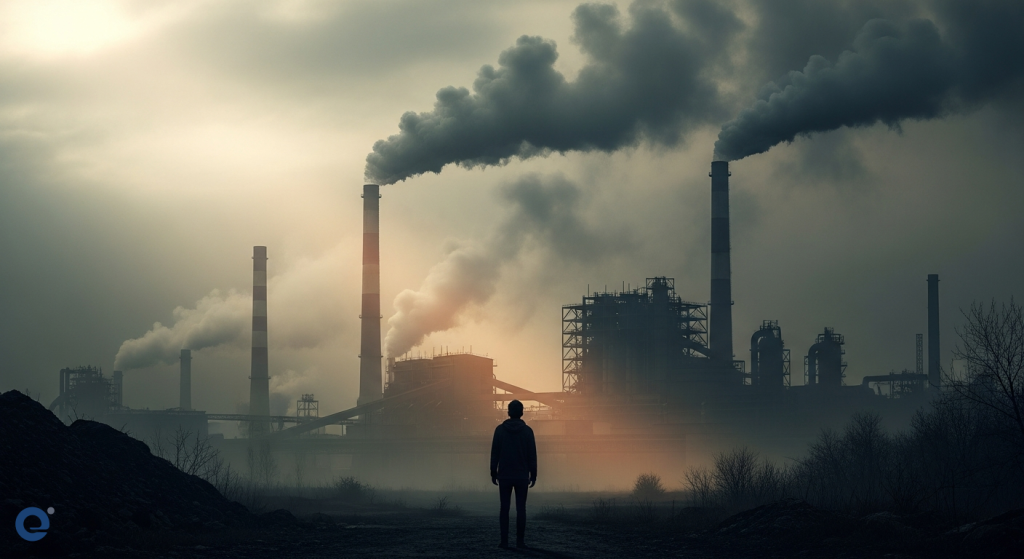
Living in industrial zones offers unique advantages. However, it also presents significant health challenges. Air pollution is a constant concern. It affects both your respiratory system and your skin. Long-term exposure can lead to serious health issues. This article explores these effects. It also provides actionable steps to protect yourself.
The Invisible Threat: Understanding Air Pollutants
Air pollution isn’t just one thing. It’s a complex mix of gases and particles. These come from industrial emissions, vehicle exhaust, and other sources. Common culprits include ozone, sulfur dioxide, and particulate matter. Many of these are invisible. Therefore, you might not realize you’re being exposed.
Ozone, for instance, is a powerful oxidant. It irritates airways. This is especially true on hot, sunny days. Even low levels can cause health problems. Children, older adults, and those with asthma are particularly at risk. Furthermore, people active outdoors, like outdoor workers, face higher exposure.
Volcanic eruptions also release harmful substances. These include gases like carbon dioxide and sulfur dioxide. They also release ash. Inhaling these can cause immediate irritation. Longer-term exposure can lead to more severe conditions.
Respiratory Health Under Siege
Your lungs are on the front lines. They constantly filter the air you breathe. Pollutants inflame and damage the delicate tissues. This is similar to sunburn on your skin. The lining of your airways can become damaged.
Short-Term Respiratory Effects
When you breathe in polluted air, you might experience immediate symptoms. These can include:
- Coughing
- Sore or scratchy throat
- Difficulty breathing deeply
- Pain when taking a deep breath
For individuals with existing lung conditions, these effects are amplified. Ozone can cause airway muscles to constrict. This traps air in the lungs. As a result, wheezing and shortness of breath occur.
Long-Term Respiratory Damage
The real danger lies in prolonged exposure. Long-term exposure to ozone is linked to the aggravation of asthma. It is also a likely contributor to asthma development. Studies even suggest associations between elevated ozone concentrations and deaths from respiratory causes.
Inhaling volcanic gases and ash can lead to more chronic issues. This includes bronchitis and lung infections. Respiratory disorders, such as lung disease and even lung cancer, have been linked to longer exposure periods. Therefore, consistent protection is crucial.
It’s important to note that children are especially vulnerable. Their lungs are still developing. They are also more prone to outdoor activity. This increases their exposure. Many children also have asthma. This puts them at a greater risk from ozone exposure.
Skin: Your Body’s First Defense
Your skin is your largest organ. It acts as a barrier against the environment. However, pollutants can penetrate and damage it. Industrial air contains various chemicals. These can cause irritation and long-term damage.
Direct Skin Irritation
Exposure to pollutants can lead to immediate skin reactions. This might include redness, itching, or rashes. Some chemicals in industrial air can be particularly harsh. They can strip the skin of its natural oils. This makes it dry and prone to cracking.
Accelerated Aging and Other Concerns
Beyond immediate irritation, pollution contributes to premature skin aging. Free radicals generated by pollutants can damage skin cells. This leads to wrinkles and loss of elasticity. Furthermore, some pollutants can exacerbate existing skin conditions like eczema or psoriasis.
Volcanic ash, for example, can cause skin irritation. Wearing long sleeves and pants can help prevent this. Goggles are also recommended to protect the eyes from ash. This highlights how environmental factors directly impact skin health.

Who is Most at Risk?
While everyone is affected by pollution, some groups are more vulnerable. Children are at a higher risk. Their lungs are still developing. They also tend to be more active outdoors. This increases their exposure time.
Older adults are also more susceptible. Their bodies may be less resilient. People with pre-existing health conditions are at significant risk. This includes asthma, emphysema, and chronic bronchitis. Additionally, individuals with certain genetic predispositions or low intake of nutrients like vitamins C and E face greater danger from ozone exposure.
People with chronic respiratory or cardiac conditions are also highly vulnerable. Volcanic gases and ash can worsen their symptoms. Therefore, they must take extra precautions. This is why personalized protection strategies are so important.
Protecting Your Respiratory Health
Reducing your risk involves several strategies. Firstly, stay informed about air quality. Websites like AirNow provide daily reports. These use the Air Quality Index (AQI). This helps you understand current pollution levels.
EnviroFlash is a free service. It can alert you via email about air quality concerns. Signing up is simple and beneficial. Knowing when pollution levels are high allows you to take action. This proactive approach is key to safeguarding your health.
Reducing Exposure Indoors
When pollution levels are high, staying indoors is often best. However, indoor air quality matters too. Keep windows and doors closed. Turn off air conditioning units and fans that draw in outside air. Close fireplace or woodstove dampers.
Regularly replace or clean furnace filters. This helps maintain cleaner indoor air. If you have a fireplace, consider its impact. Using fireplaces can release pollutants into your home. For more on indoor air quality, explore resources on household chemicals and air quality.
Protecting Yourself Outdoors
If you must be outdoors, take precautions. Avoid areas with heavy industrial activity or high traffic. Reduce your chances of inhaling ash by wearing a NIOSH-approved N95 respirator. Ensure it’s sealed tightly to your face.
Carry necessary medication if you have a respiratory condition. Avoid low-lying areas, as pollutants can sometimes settle there. On days with high pollution, consider limiting strenuous outdoor activities. This is especially true for children and those with respiratory issues.
For those working outdoors, consistent vigilance is essential. Understand the local air quality forecasts. Use appropriate personal protective equipment. This might include respirators and protective clothing.
Air Pollution: How It Affects Us, Prevention and Treatment.
Shielding Your Skin from Harm
Protecting your skin requires a similar approach. It involves barrier methods and proper care. When exposed to polluted air, consider wearing protective clothing. Long sleeves and pants can minimize direct contact.
Cleansing your skin thoroughly after exposure is important. Wash away any accumulated pollutants. Use gentle, moisturizing cleansers. This helps restore the skin’s natural barrier. Avoid harsh soaps that can strip essential oils.
Antioxidant Support for Skin
The damage from pollutants often involves oxidative stress. Antioxidants can help combat this. Ensuring an adequate intake of vitamins C and E is beneficial. These nutrients play a role in protecting cells from damage. They can be obtained through diet or supplements.
For more on how vitamins support your body, you can read about air pollution’s health effects. A balanced diet rich in fruits and vegetables is key. These foods are natural sources of powerful antioxidants.
Skin Barrier Maintenance
A strong skin barrier is crucial. Use good quality moisturizers. These help keep your skin hydrated and resilient. Look for products that support the skin’s natural protective functions.
If you have sensitive skin or pre-existing conditions, consult a dermatologist. They can recommend specific products and routines. This ensures your skin receives the best possible care in a challenging environment.
Long-Term Strategies for a Healthier Life
Living in an industrial area demands a long-term view of health. It’s not just about immediate protection. It’s about building resilience. This involves a holistic approach to well-being.
Diet and Nutrition
A nutrient-rich diet is fundamental. It supports your immune system and overall health. Focus on whole foods. Include plenty of fruits, vegetables, and lean proteins. These provide essential vitamins and minerals.
For instance, antioxidants are vital for combating pollution-induced damage. Consider incorporating foods rich in Vitamin C and E. These are known for their protective properties. You might also find information on functional foods helpful for supercharging your diet.
Lifestyle Choices
Beyond diet, lifestyle plays a significant role. Regular exercise is important. However, be mindful of outdoor exercise on high-pollution days. Consider indoor workouts when air quality is poor.
Adequate sleep is also critical. It allows your body to repair and rejuvenate. Managing stress is equally important. High stress levels can weaken your immune system. For insights on stress management, explore the topic of cortisol balance.
Regular Health Check-ups
Don’t underestimate the value of regular medical check-ups. Early detection of health issues is vital. Your doctor can monitor your respiratory and skin health. They can also provide personalized advice based on your health status and local environmental conditions.
Discuss your concerns about pollution exposure with your healthcare provider. They can offer tailored guidance. This might include specific screening recommendations or preventative measures. Remember, proactive health management is key.
Frequently Asked Questions
What are the most common long-term effects of air pollution on respiratory health?
Long-term exposure to air pollution can lead to chronic respiratory issues such as asthma exacerbation and development, bronchitis, and increased susceptibility to lung infections. In severe cases, it can contribute to lung disease.
Can pollution really affect my skin health long-term?
Yes, long-term exposure to air pollution can accelerate skin aging, damage the skin barrier, and worsen existing skin conditions. Pollutants can contribute to free radical damage and inflammation.
Who is most at risk from ozone pollution?
People most at risk include children, older adults, individuals with asthma or other lung diseases, and those who are active outdoors. People with certain genetic characteristics and reduced intake of nutrients like vitamins C and E are also at greater risk.
What are the main gases released by volcanoes that impact health?
Important volcanic gases include carbon dioxide (CO2), sulfur dioxide (SO2), hydrogen chloride (HCl), hydrogen sulfide (H2S), radon (Rn), hydrogen fluoride (HF), and sulfuric acid (H2SO4). Many are odorless or invisible.
How can I protect my skin from environmental pollutants?
Protect your skin by wearing protective clothing, cleansing it thoroughly after exposure, using gentle moisturizers to maintain the skin barrier, and ensuring adequate intake of antioxidants like vitamins C and E.
Where can I find daily air quality information?
You can find daily air quality reports on websites like AirNow, which uses the Air Quality Index (AQI) to inform you about current pollution levels. EnviroFlash is a service that can alert you via email.
Conclusion
Living in industrial zones requires a conscious effort to protect your health. The long-term effects of pollution on your respiratory system and skin are significant. However, by staying informed, taking proactive measures, and adopting healthy lifestyle habits, you can significantly mitigate these risks. Prioritize clean air indoors, protect your skin, and seek regular medical advice. Your health is your most valuable asset.
