
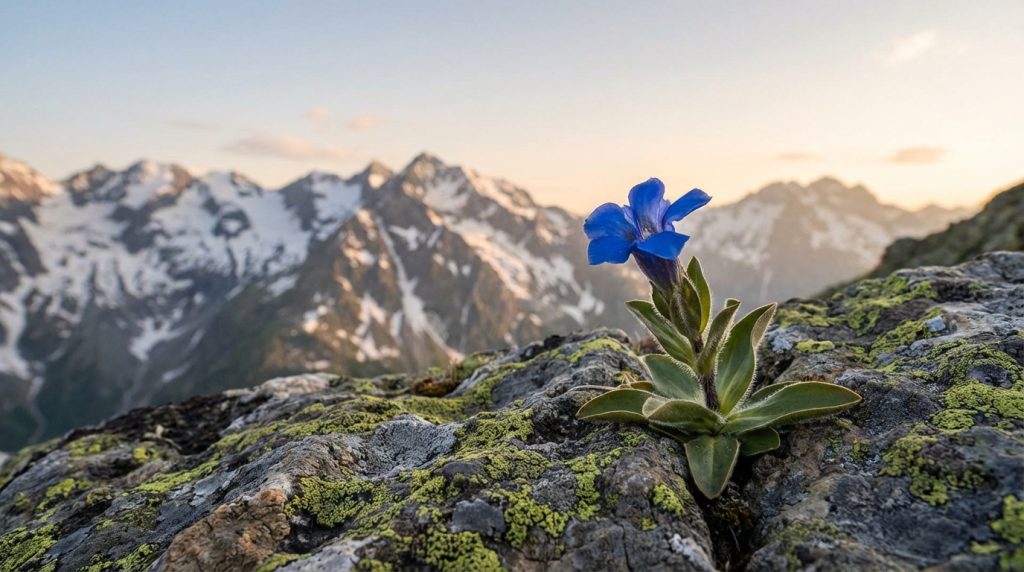
Alpine environments present unique challenges. Harsh conditions shape plant life there. Researchers study how plants survive and thrive. This includes understanding their adaptations. These adaptations are crucial for survival. They also help predict future changes.
Climate change is a major factor. It alters these sensitive ecosystems. Therefore, studying alpine flora is vital. It helps us understand ecological resilience. It also informs conservation efforts.
The Harsh Alpine Environment
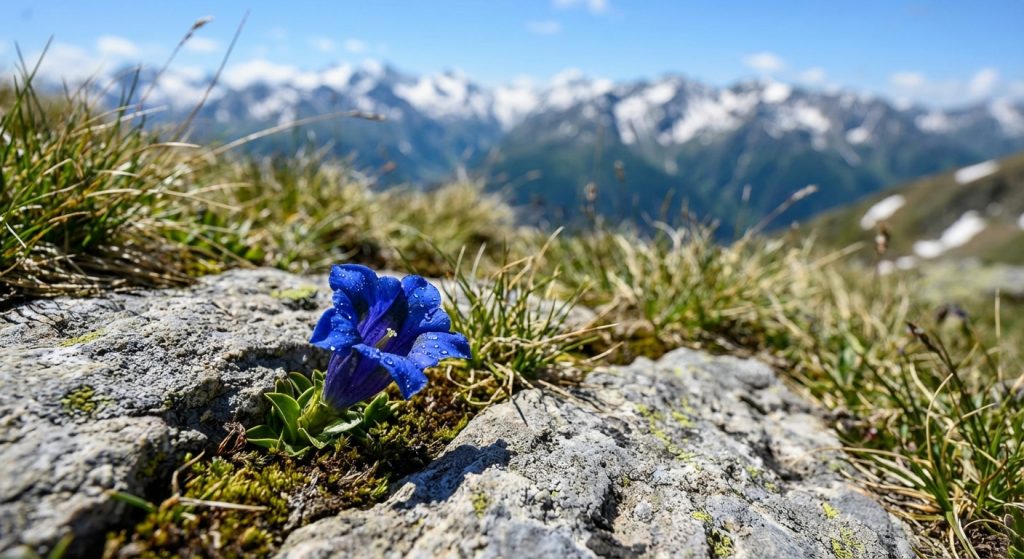
Alpine regions are defined by extreme conditions. These include low temperatures. They also feature strong winds. Furthermore, intense solar radiation is common. The growing season is very short. Soils are often thin and nutrient-poor. Snow cover can be deep and long-lasting.
These factors create a demanding habitat. Only specialized species can survive. Many alpine plants have evolved unique traits. These traits allow them to cope. They enable life in a challenging landscape.
Adaptations for Survival
Alpine flora exhibits remarkable adaptations. These are key to their survival. We can categorize these adaptations. They involve morphology, physiology, and life cycle strategies.
Morphological Adaptations
Many alpine plants are small. They often grow close to the ground. This protects them from harsh winds. It also helps them stay warm. Low growth forms reduce exposure. They can also trap insulating snow. Rosette shapes are common. Leaves may be small and leathery.
Thick cuticles are also beneficial. They reduce water loss. This is important in dry, windy conditions. Root systems are often extensive. They anchor plants firmly. They also help access scarce water and nutrients.
Some plants have hairy surfaces. This hair traps heat. It also reflects excess sunlight. Furthermore, dark coloration can absorb more heat. This helps them warm up faster.
Physiological Adaptations
Alpine plants have high cold tolerance. They can withstand freezing temperatures. This is often due to specific proteins. These proteins prevent ice crystal formation. They also protect cell membranes.
Many plants have rapid growth cycles. They must complete their life cycle quickly. This happens during the short summer. They flower and set seed rapidly. Photosynthesis can also occur at low temperatures. Some species can utilize UV radiation. This is a common feature in high altitudes.
Water management is also critical. Plants can tolerate dehydration. They also have efficient water uptake mechanisms. This ensures survival during dry spells. Their metabolic rates are often slow. This conserves energy in cold conditions.
Life Cycle Adaptations
Perennial life cycles are common. This allows plants to survive harsh winters. They store energy in roots or bulbs. They then regrow each year.
Some species reproduce vegetatively. This is a reliable method. It bypasses the need for pollination. This is useful when pollinators are scarce. Seed dispersal mechanisms are also adapted. They often rely on wind or animals.
Dormancy is another key strategy. Seeds may require cold stratification. This means they need a cold period. This ensures germination only occurs in favorable conditions. It prevents premature sprouting.
Challenges Posed by Climate Change
Climate change poses significant threats to alpine flora. Warming temperatures are a primary concern. This leads to several issues.
Upslope Migration and Competition
As temperatures rise, plant species shift. Lower-altitude species move upslope. This can increase competition. Native alpine species may be outcompeted. They are adapted to colder conditions. They may not survive warmer temperatures. This is a serious threat to biodiversity.
The available habitat shrinks. As temperatures rise, the alpine zone gets smaller. Species that live at the highest elevations have nowhere else to go. This phenomenon is known as “summit trap.”
Changes in Snow Cover
Snow cover duration and depth are changing. Shorter snow seasons can be problematic. Snow acts as insulation. It protects plants from extreme cold. It also provides a water source. Reduced snow cover can lead to frost damage. It can also cause drought stress later in the season.
Conversely, increased snowfall in some areas can also be detrimental. It can delay the start of the growing season. It may also damage plants under its weight. Therefore, changes in snow dynamics are complex.
Increased Extreme Weather Events
Climate change is linked to more extreme weather. This includes heatwaves and droughts. It also brings intense storms. Alpine plants are vulnerable to these events. They have narrow tolerance ranges. Such events can cause widespread mortality. They can also damage plant communities.
For example, prolonged droughts can stress even adapted species. Extreme heat can exceed their physiological limits. These events can reset ecological succession.
Research and Conservation Efforts
Understanding and protecting alpine flora requires dedicated research. Scientists employ various methods.
Monitoring and Data Collection
Long-term monitoring is essential. Researchers track plant populations. They observe changes over time. This includes shifts in distribution and abundance. They also study phenology, such as flowering times. Advanced techniques like remote sensing are used. These help monitor large areas efficiently.
Citizen science plays a role too. Volunteers can collect valuable data. This expands the scope of monitoring efforts. For instance, understanding citizen science for soil health can indirectly inform about plant health indicators.
Experimental Studies
Controlled experiments help understand plant responses. Researchers simulate future climate conditions. This might involve warming experiments. It can also include altered precipitation regimes. These studies reveal plant vulnerabilities. They also identify potential adaptive capacities.
Transplant experiments are also useful. Moving plants to different altitudes shows their plasticity. They reveal how well plants tolerate new environments. This can help predict migration success.
Conservation Strategies
Conservation efforts focus on preserving alpine biodiversity. Key strategies include habitat protection. Establishing protected areas is crucial. These areas safeguard vulnerable species. They also maintain ecological processes.
Restoration projects are also important. These aim to re-establish native species. They focus on degraded alpine areas. This can involve seed banking. It also includes reintroduction programs. Safeguarding global flora blueprints is vital, as seen in global seed vaults.
Ex-situ conservation is another approach. This involves cultivating plants outside their natural habitat. Botanical gardens play a role here. They maintain collections of rare and endangered species. This acts as a genetic reserve.
Future Outlook
The future of alpine flora is uncertain. It depends on global climate action. Mitigation of greenhouse gas emissions is paramount. Reducing warming is the best defense. Adaptation strategies will also be critical.
Further research is needed. We need to understand genetic diversity. This is key for adaptation potential. We also need to study species interactions. These dynamics are complex in alpine systems.
Ultimately, protecting alpine ecosystems requires a global effort. It involves scientific research. It also requires effective conservation policies. The resilience of alpine flora is a bellwether. It signals the health of our planet.
Frequently Asked Questions
What are the main challenges for plants in alpine environments?
Alpine environments present challenges like low temperatures, strong winds, intense solar radiation, short growing seasons, and poor soil quality.
How do alpine plants survive extreme cold?
They possess physiological adaptations such as specialized proteins that prevent ice crystal formation and protect cell membranes. They also have rapid growth cycles and can photosynthesize at low temperatures.
What is ‘summit trap’ in the context of alpine flora?
Summit trap refers to the situation where alpine species, as temperatures rise and their habitat shrinks, have nowhere higher to migrate to for cooler conditions, leading to potential extinction.
How is climate change impacting alpine flora?
Climate change causes warming temperatures, leading to upslope migration of lower-altitude species and increased competition. It also alters snow cover duration and increases extreme weather events, threatening native alpine plants.
What role does research play in alpine flora conservation?
Research through long-term monitoring, experimental studies, and data collection helps scientists understand plant responses to environmental changes. This knowledge informs effective conservation strategies and predicts future impacts.
Can alpine plants adapt to a changing climate?
Some alpine plants show adaptive capacity through genetic diversity and plasticity. However, the rate of climate change may outpace their ability to adapt, making conservation efforts crucial.
“`
