
Mastering Cactus Grafting: Boost Growth & Variety
Published on February 3, 2026 by Admin
What is Cactus Grafting?
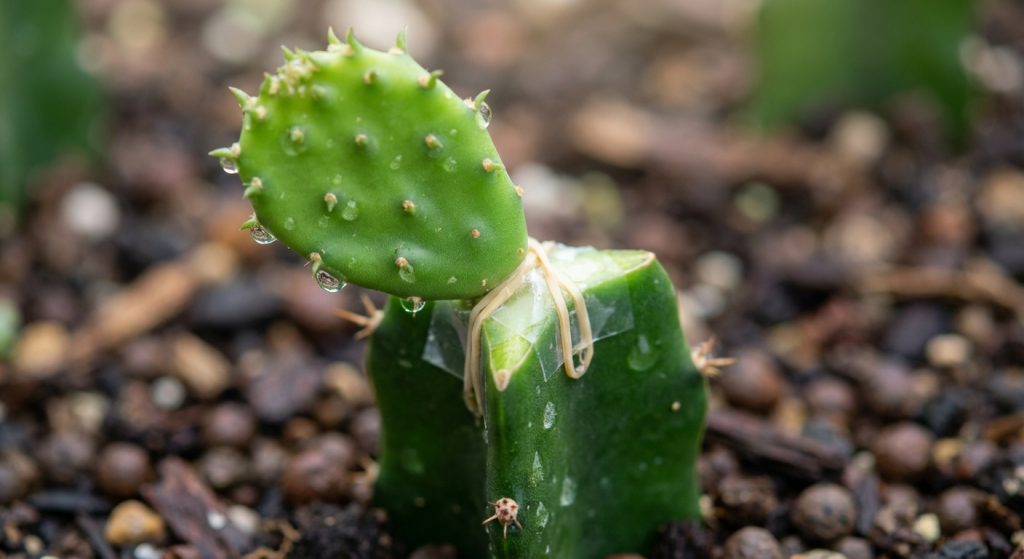
Cactus grafting is an horticultural practice. It involves joining two cactus plants together. One plant serves as the rootstock. The other is the scion. The rootstock provides a strong root system. The scion is the desired cactus variety. These two parts fuse to form a single, new plant. This technique is particularly useful for desert plants. Many cacti have slow growth rates. Some species struggle to root from cuttings. Grafting overcomes these challenges.
Why Graft Cacti?
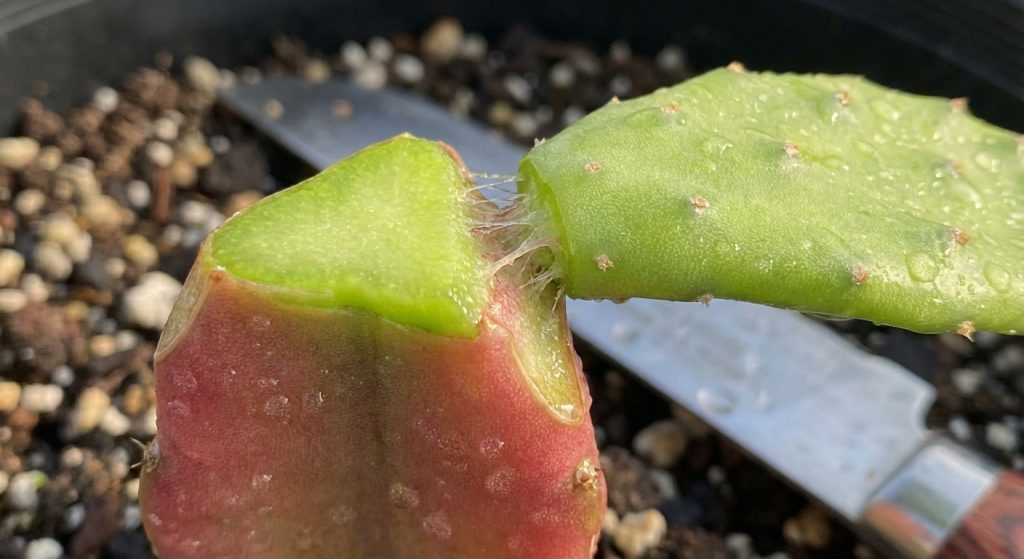
There are several compelling reasons to graft cacti. Firstly, it significantly speeds up growth. A fast-growing rootstock can support a slow-growing scion. This means you get a mature plant much sooner. Secondly, it helps propagate rare or endangered species. Some cacti are nearly impossible to grow from seed or cuttings. Grafting provides a viable alternative. Thirdly, it allows for the creation of unique aesthetic forms. For instance, you can graft a colorful, spineless variety onto a hardy, spiny base. This creates an attractive, easy-to-handle plant.Moreover, grafting can improve plant health. Certain rootstocks are more resistant to diseases and pests. They can also tolerate various soil conditions better. This resilience is invaluable for arid land farming. It ensures the survival and productivity of delicate specimens. Therefore, understanding these methods is crucial for success.
Essential Tools and Materials
Before you begin grafting, gather the necessary tools. Sharp, sterile cutting tools are paramount. A sharp knife or razor blade is essential. Ensure it is clean to prevent disease transmission. You will also need grafting tape or ties. These secure the scion to the rootstock. They hold the pieces together while they heal. Additionally, some growers use rooting hormone. This can aid in the fusion process. Finally, a well-draining potting mix is vital for the potted rootstock.
Choosing Your Rootstock and Scion
The success of grafting largely depends on your plant choices. A healthy, vigorous rootstock is key. Common rootstocks include species like *Hylocereus* (Dragon Fruit) or *Pereskia*. These grow quickly and are widely available. They are also tolerant of various conditions. Ensure your chosen rootstock is free from pests and diseases.The scion is the plant you wish to propagate. This could be a rare succulent or a cactus with desirable traits. The scion should also be healthy. Look for firm, plump growth. Ideally, the scion and rootstock should be from closely related species. This increases the chances of successful union. However, grafting between different cactus families is sometimes possible.
Popular Cactus Grafting Methods
Several grafting techniques are used for cacti. Each has its advantages. The most common methods are the saddle graft and the cleft graft.
1. The Saddle Graft
This method is popular for cacti with a flat or saddle-shaped base. It involves cutting both the rootstock and the scion at an angle.* Preparation: First, select a healthy rootstock. Make a deep, angled cut across its top. The angle should be between 30 and 45 degrees. Then, prepare the scion. Cut its base at a matching angle. The goal is to create a large surface area for contact.* Joining: Carefully place the scion onto the angled cut of the rootstock. Ensure the vascular tissues align as closely as possible. This alignment is critical for successful fusion.* Securing: Use grafting tape or ties to firmly secure the scion to the rootstock. This prevents movement. It also ensures good contact between the two plant parts. Finally, place the grafted cactus in a warm, humid environment. Avoid direct sunlight for a few weeks.
2. The Cleft Graft
The cleft graft is suitable for cacti with a more rounded or columnar shape. It involves making a slit in the rootstock.* Preparation: Take a healthy rootstock. Make a vertical slit down the center of its top. The slit should be deep enough to accommodate the scion. Next, prepare the scion. Cut its base into a wedge shape. This wedge will be inserted into the slit.* Joining: Gently insert the wedge-shaped scion into the slit in the rootstock. Again, aim for alignment of the vascular tissues. You want the cambium layers to touch.* Securing: Secure the scion in place. You can use grafting tape or small stakes. This holds the scion firmly within the slit. Then, place the grafted cactus in a suitable healing environment.
3. The Top Graft (or Bud Graft)
This method is often used for smaller cacti or for propagating species that are difficult to graft by other means. It involves taking a small bud or piece of stem.* Preparation: Select a healthy rootstock. Make a small horizontal cut on its side. This cut exposes the vascular tissue. Then, prepare the scion. Cut a small bud or a tiny piece of stem from the desired cactus. Ensure it has a small sliver of wood attached.* Joining: Carefully insert the scion bud into the cut on the rootstock. The bud should be placed so its vascular tissue contacts the rootstock’s.* Securing: Secure the bud with grafting tape. This holds it in place and protects the wound. As the bud heals, it will begin to grow. This method requires patience.
4. The Whip and Tongue Graft (Less Common for Cacti)
While more common for woody plants, this technique can be adapted. It involves making opposing angled cuts on both the rootstock and scion. A small notch is then made on each cut. This creates a “tongue” that fits into the notch of the other piece. This provides excellent mechanical stability. However, it requires precise cuts and is more challenging for cacti due to their fleshy nature.
The Healing Process
After grafting, the healing process is crucial. Keep the grafted cacti in a warm, humid environment. Temperatures between 70-80°F (21-27°C) are ideal. Good air circulation is also important. This helps prevent fungal infections. Avoid direct sunlight for the first few weeks. Gradually introduce the plant to more light as it heals. Do not water until you see signs of growth. This can take several weeks. Overwatering during this period can lead to rot.You will know the graft has been successful when the scion begins to grow. You might see new buds or shoots emerging. The scion will also often appear plump and healthy. If the scion turns brown or shrivels, the graft has likely failed. In such cases, you can try again.
Troubleshooting Common Grafting Problems
* Failure to Fuse: This is the most common problem. It can be due to poor alignment of vascular tissues. It can also be caused by using unhealthy plant material. Ensure your cuts are clean and precise. Always aim for the best possible contact between the cambium layers.* Rot: Overwatering is a primary cause of rot. Ensure good drainage. Avoid watering until the graft has healed. Using sterile tools also helps prevent fungal infections.* Scion Drying Out: This can happen if the environment is too dry. Increase humidity around the graft. You can cover the graft loosely with a plastic bag. Ensure there is still some air circulation.
Advanced Techniques and Considerations
For arid land farmers, sustainability is key. Consider using native cactus species as rootstocks where appropriate. This can enhance resilience. Furthermore, explore grafting techniques that minimize water usage during the healing process. Some growers use misting systems carefully. Others rely on high humidity within enclosed grafting chambers.The practice of permaculture design can also inform your approach. Integrating grafted cacti into your arid farm can create diverse ecosystems. It can also provide unique horticultural products.
Conclusion
Cactus grafting is a rewarding technique. It allows arid land farmers to overcome many challenges. It promotes faster growth, enables propagation of rare species, and facilitates the creation of unique plants. By understanding the tools, plant selection, and different grafting methods, you can achieve great success. Patience and careful observation are key throughout the healing process. With practice, cactus grafting can become a valuable skill in your arid farming toolkit. It offers a way to expand your collection and enhance your land’s productivity.
Frequently Asked Questions
What is the best time of year to graft cacti?
The best time to graft cacti is during their active growing season. This is typically in spring or early summer. During this period, plants are actively producing sap. This aids in the fusion process.
How long does it take for a cactus graft to heal?
Healing times vary. It generally takes between 2 to 6 weeks for a cactus graft to heal. During this time, it is crucial to maintain optimal conditions. Avoid disturbing the graft.
Can I graft any two cacti together?
While some cross-family grafting is possible, success rates are highest when grafting closely related species. For example, grafting different species within the *Cactaceae* family is usually successful.
What should I do if the scion turns black after grafting?
A blackening scion usually indicates rot. This is often caused by excess moisture or fungal infection. Ensure your tools were sterile and the environment is not too wet. You may need to remove the graft and try again.
How do I know if my cactus graft has been successful?
Success is indicated by new growth from the scion. The scion will also typically remain firm and green. A failed graft will often shrivel or turn brown/black.
Are there any specific rootstock varieties that are better for arid climates?
Yes, rootstocks known for their drought tolerance and vigor are ideal for arid climates. Species like *Hylocereus* and various *Opuntia* species are good choices. They can withstand dry conditions well.
