
Mushroom Foraging: Safety First for Wild Edibles
Published on February 3, 2026 by Admin
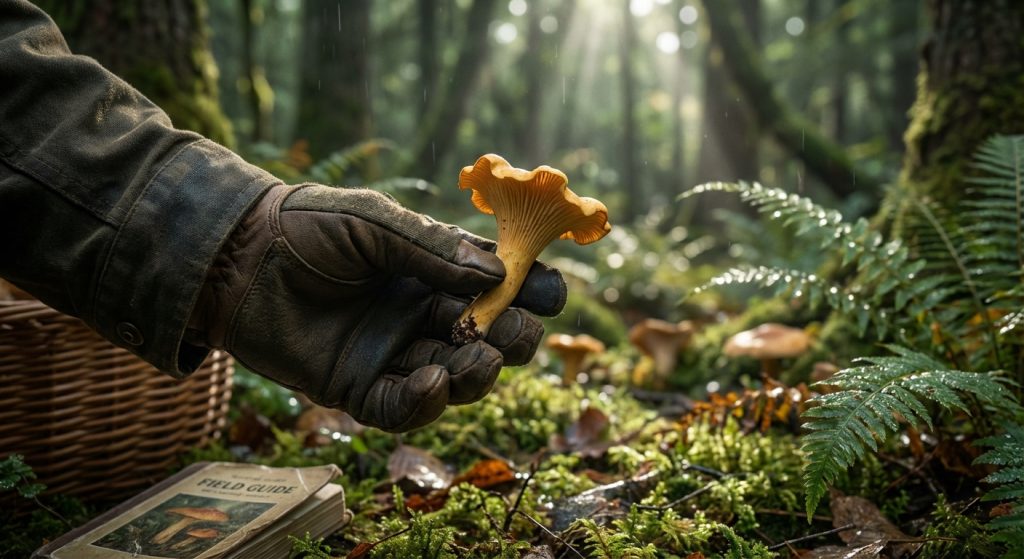
Embarking on a mushroom foraging adventure is exciting. You can discover delicious wild edibles. However, safety is paramount. Misidentification can lead to severe illness or even death. Therefore, understanding mushroom foraging safety is crucial for every outdoor enthusiast. This guide will equip you with essential knowledge.
The Allure of Wild Mushrooms
Wild mushrooms offer unique flavors and textures. They connect you to nature’s bounty. Foraging can be a rewarding hobby. It encourages exploration and appreciation of the natural world. Many people enjoy the thrill of the hunt. Finding a patch of delicious edibles is a great reward. However, this pursuit comes with significant risks.
Understanding the Risks
The primary risk in mushroom foraging is poisoning. Many mushrooms look alike. Some edible species have toxic look-alikes. Consuming a poisonous mushroom can have devastating consequences. Symptoms can range from mild gastrointestinal upset to liver failure and death. Therefore, absolute certainty in identification is non-negotiable. Never eat a mushroom unless you are 100% sure of its identity.
Essential Safety Principles for Foraging
Safety should always be your top priority. Follow these fundamental principles for a safe foraging experience.
1. Become a Mushroom Expert (Slowly and Steadily)
Mushroom identification is a skill that takes time. Start with a few common, easily identifiable species. Learn their key characteristics thoroughly. Use reliable field guides and resources. Join local mycological societies. Learn from experienced foragers. Never rely on a single source for identification. Furthermore, understand that mushroom identification can vary by region and season.
2. Never Eat a Mushroom You Cannot Positively Identify
This rule cannot be stressed enough. If there is any doubt, do not eat it. It is better to leave a mushroom behind than to risk your health. Remember, there are old foragers and bold foragers, but there are no old, bold foragers. Therefore, caution is your best friend.
3. Learn About Toxic Species in Your Area
Familiarize yourself with the most dangerous mushrooms in your region. Knowing what to avoid is as important as knowing what to look for. For example, the Death Cap (Amanita phalloides) is highly toxic. It is crucial to recognize its appearance and habitat.
4. Understand Mushroom Anatomy
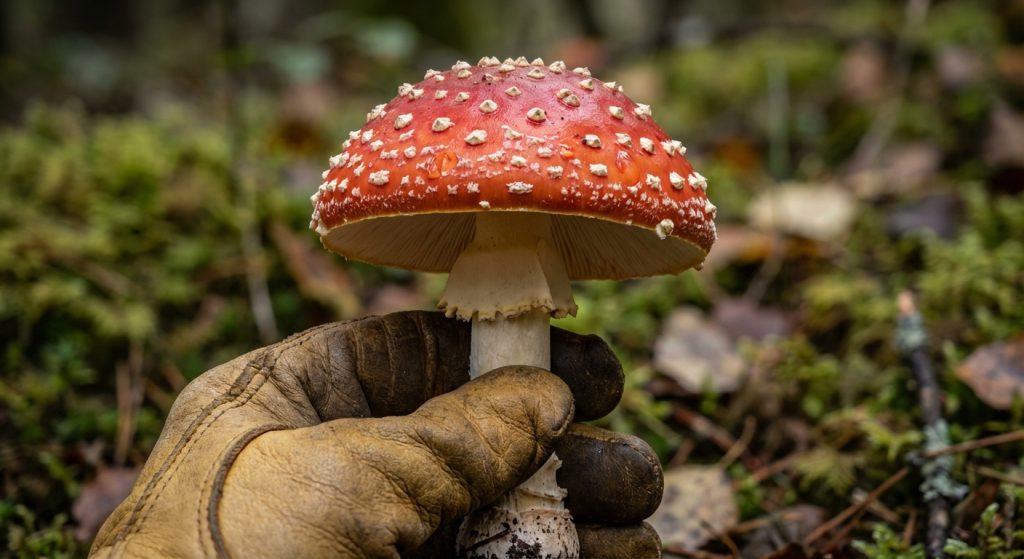
To identify mushrooms correctly, you need to know their parts. Key features include the cap shape and color. Also, note the gill attachment, spore print color, and the presence of a volva or ring. These details are vital for distinguishing between species. For instance, the presence of a volva at the base of the stem can indicate a toxic Amanita.
5. Use Multiple Identification Resources
Do not rely on just one field guide. Cross-reference information from several reputable sources. Online resources can be helpful, but always verify with established books. Furthermore, consider apps that use AI for identification, but always use them as a supplementary tool, not a definitive answer. You can learn more about AI’s role in various fields, including diagnostics, in articles about machine learning for pathogen identification.
Best Practices for a Safe Foraging Trip
Beyond identification, several practices enhance your safety while foraging.
1. Go with an Experienced Forager
If you are a beginner, find a mentor. Learning from someone experienced is invaluable. They can guide you through the identification process. They can also teach you about ethical harvesting and local regulations. This is one of the safest ways to start.
2. Harvest Responsibly
When you find edible mushrooms, harvest them carefully. Avoid damaging the surrounding mycelium. Use a sharp knife to cut the stem near the base. Leave immature mushrooms and those you are unsure about. Also, avoid collecting mushrooms from polluted areas. For example, areas near roadsides or industrial sites may have absorbed toxins. Learning about ethical mining practices can also highlight the importance of responsible resource extraction, which extends to natural foraging.
3. Store and Prepare Mushrooms Properly
Once harvested, store mushrooms correctly. Use a breathable container like a basket or paper bag. Avoid plastic bags, as they can cause spoilage. Cook all wild mushrooms thoroughly. Some edible mushrooms can cause digestive upset if eaten raw. Always cook them until tender. Furthermore, never mix unknown mushrooms with known edibles. This prevents accidental contamination.
4. Understand the Spore Print
The color of a mushroom’s spore print is a critical identification feature. To get a spore print, place the cap, gill-side down, on a piece of paper. Cover it with a bowl and leave it for several hours or overnight. The color of the spores deposited is important. For example, white spore prints can belong to both edible and deadly species. Therefore, this is just one piece of the puzzle.
5. Be Aware of Look-Alikes
Many poisonous mushrooms closely resemble edible ones. For instance, the Jack-o’-lantern mushroom (Omphalotus olearius) can be mistaken for chanterelles. However, Jack-o’-lanterns have true gills, while chanterelles have blunt ridges. Always learn the distinguishing features of edible mushrooms and their toxic counterparts.
Common Mushroom Foraging Mistakes to Avoid
Beginners often make the same mistakes. Knowing these can save you from serious harm.
- Trusting common names alone: Common names can be misleading and vary regionally.
- Eating mushrooms raw: Many edible mushrooms are toxic or indigestible when raw.
- Foraging in polluted areas: Mushrooms absorb toxins from their environment.
- Using unreliable identification methods: Relying on folklore or single apps is dangerous.
- Not learning about local toxic species: Knowing what to avoid is crucial.
In addition, always inform someone of your foraging plans. Let them know where you are going and when you expect to return. This is a basic safety measure for any outdoor activity.
What to Do If You Suspect Mushroom Poisoning
If you or someone you know experiences symptoms after eating wild mushrooms, act immediately. These symptoms can include nausea, vomiting, diarrhea, abdominal pain, confusion, dizziness, or hallucinations. Seek emergency medical attention right away. Call your local poison control center or go to the nearest emergency room. Bring a sample of the mushroom, if possible, for identification. Prompt medical care is vital for a positive outcome.
Beyond Edibility: Environmental Considerations
Mushroom foraging is not just about finding food. It’s also about understanding ecosystems. Fungi play a vital role in decomposition and nutrient cycling. They are essential for healthy soil. You can learn more about the importance of healthy soil in articles about soil health and the hidden universe beneath our feet.
Responsible foraging ensures these vital organisms can continue their work. It helps maintain biodiversity. Therefore, always practice conservation. Leave enough mushrooms behind to reproduce. Protect their habitats.
Frequently Asked Questions About Mushroom Foraging Safety
Is it safe to eat any wild mushroom if cooked thoroughly?
No, absolutely not. Thorough cooking does not neutralize the toxins in many poisonous mushrooms. Some deadly mushrooms remain toxic even after cooking. Positive identification is the only safe criterion.
Can I trust mushroom identification apps?
Mushroom identification apps can be helpful tools, but they should never be your sole method of identification. They can make mistakes. Always cross-reference app results with reliable field guides and expert knowledge. Treat them as a starting point, not a final answer.
What is a spore print and why is it important?
A spore print is the color of the spores a mushroom releases. It’s a crucial identification characteristic. Different species have different spore print colors (white, pink, brown, black, etc.). This helps differentiate between otherwise similar-looking mushrooms.
How do I know if a mushroom is poisonous?
You can only know if a mushroom is poisonous through accurate identification. There are no universal rules like “if it’s brightly colored, it’s poisonous” or “if animals eat it, it’s safe.” You must learn to identify each species with certainty.
What should I do if I find a mushroom I’ve never seen before?
If you find a mushroom you don’t recognize, do not eat it. Observe it, take notes, and perhaps take a photo. Later, use your field guides and resources to try and identify it. If you still can’t be 100% sure, do not consume it.
Conclusion
Mushroom foraging offers a unique connection to the natural world. It can also provide delicious rewards. However, the risks associated with misidentification are severe. Always prioritize safety above all else. Educate yourself thoroughly. Learn from experienced individuals. Use reliable resources. When in doubt, leave it out. By adhering to these safety principles, you can enjoy the fascinating world of mushroom foraging responsibly and without incident.
