Rare Seed Vault Systems: Safeguarding Earth’s Future
Published on February 3, 2026 by Admin
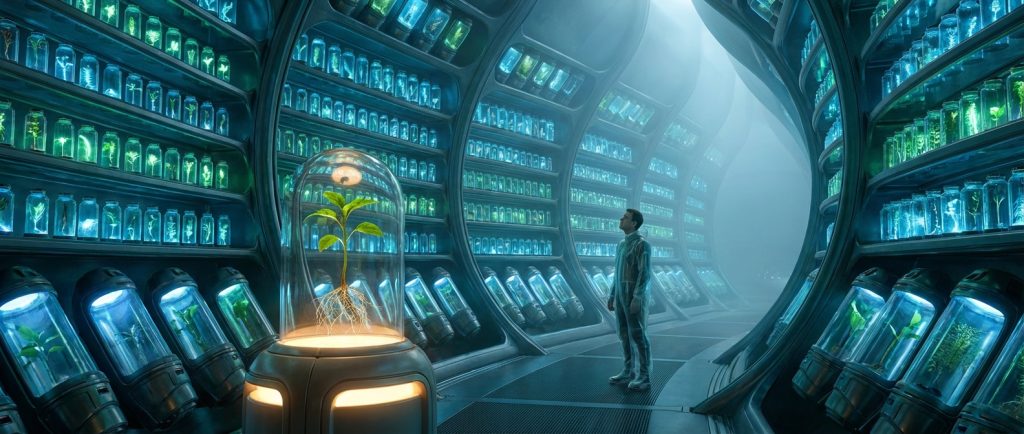
Food security is a global challenge. Protecting our food supply is crucial. Rare seed vault systems play a vital role. They act as insurance policies for plant diversity. These vaults store seeds from countless plant species. This ensures their survival for future generations. Therefore, understanding these systems is essential for global food security experts.
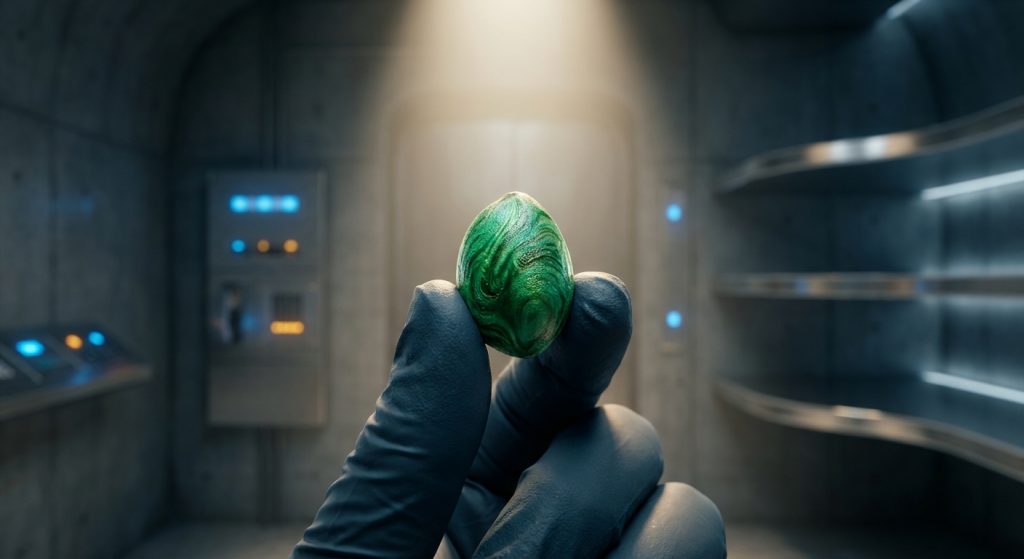
The Imperative of Seed Preservation
Why are seed vaults so important? Firstly, they safeguard against crop failure. Climate change, pests, and diseases threaten our food sources. A single event could wipe out vital crops. Seed banks preserve genetic diversity. This diversity is key to developing resilient new varieties. Furthermore, they protect against natural disasters. Wars and other human-made crises can also destroy precious genetic material.
Moreover, these vaults preserve biodiversity. Many wild plant species are disappearing. They hold genetic traits useful for future agriculture. For instance, some plants might be resistant to new diseases. Others might thrive in harsher climates. Preserving these seeds is like saving a library of life. It allows us to draw upon nature’s solutions when needed.
Global Seed Vault Systems: A Network of Security
Several major seed vault systems exist worldwide. The most famous is the Svalbard Global Seed Vault. It is located in Norway. This vault is designed to withstand major global catastrophes. It is deep inside a mountain. This provides natural protection. The vault stores duplicates of seeds from other genebanks. Therefore, it acts as a backup for backups.
Other important genebanks are located globally. For example, the Vavilov Institute in Russia has a vast collection. The USDA’s National Seed Laboratory in the U.S. is another key player. Each facility has unique strengths. They often specialize in certain types of crops or regions. In essence, these institutions form a distributed network. This network enhances the overall security of global seed resources.
The Svalbard Global Seed Vault: A Closer Look
The Svalbard Global Seed Vault is a marvel of engineering. It is situated on the Svalbard archipelago. This location is remote and icy. The permafrost helps keep the seeds frozen. The vault itself is deep within a sandstone mountain. It has multiple chambers. These chambers are kept at a constant -18°C (-0.4°F). This low temperature is ideal for long-term seed viability.
Depositors are genebanks from around the world. They can store their seed samples there. The vault is managed by the Crop Trust. It is an international organization. The Crop Trust works to ensure the conservation of crop diversity. They also support genebanks in developing countries. This collaboration is essential for comprehensive coverage.
Challenges and Innovations in Seed Banking
Maintaining seed vaults is not without its challenges. Firstly, the cost of operation is significant. Genebanks need funding for infrastructure. They also need funds for staff and scientific upkeep. Secondly, seed viability must be constantly monitored. Seeds have a shelf life. They need to be periodically regenerated. This involves planting them, collecting new seeds, and storing them again.
In addition, security is a major concern. Vaults must be protected from theft, vandalism, and natural disasters. Technological advancements are helping. For instance, digital monitoring systems track conditions. AI can help predict seed viability. Furthermore, new methods for seed drying and storage are being developed. These innovations aim to extend seed life even further.
The Role of Rare Seeds
What makes a seed “rare”? Often, it’s due to low population numbers. This can be for wild relatives of crops. It can also be for landraces. These are traditional varieties. They have been passed down through generations. Landraces are often highly adapted to local conditions. They may possess unique nutritional qualities. They are also important for cultural heritage.
For example, certain ancient grains are now rare. They might have better drought tolerance. They could also have unique flavors. Preserving these rare seeds is vital. They represent untapped potential for future food systems. This is particularly true as we face breeding crop varieties that can withstand heat and drought.
Seed Vaults and Climate Change Adaptation
Climate change poses a significant threat to agriculture. Therefore, seed vaults are becoming even more critical. They provide a resource for developing climate-resilient crops. Scientists can access diverse seed collections. They can then identify genes for traits like heat tolerance or water efficiency. This is crucial for adapting our food systems.
For instance, if a region becomes too hot for current crops, scientists can look for alternatives. They might find a wild relative in a seed bank. This relative might naturally grow in hot climates. This allows for the development of new crop varieties. These varieties can then be planted to ensure continued food production. It’s a proactive approach to a changing planet.
Community Seed Banks and Local Resilience
While global vaults are essential, local initiatives are also vital. Community seed banks play a crucial role. They focus on preserving seeds specific to a region. This often includes heirloom varieties. These varieties are important to local farmers. They are also adapted to local microclimates. Therefore, they contribute to local food security.
These banks often involve farmers directly. They encourage seed saving practices. They also facilitate seed sharing. This strengthens local agricultural systems. It ensures that traditional knowledge is maintained. Furthermore, it empowers communities to manage their own food resources. This local resilience is a key component of overall food security. It complements the global efforts.
The Future of Seed Vault Systems
The importance of seed vaults will only grow. As climate change intensifies, the need for genetic diversity becomes paramount. Future innovations may include more advanced cryopreservation techniques. Perhaps even DNA sequencing of all stored seeds. This would allow for quicker identification of desired traits. It would also provide a digital backup of the genetic information.
Furthermore, greater international cooperation is needed. Funding for genebanks must be sustained. Public awareness about seed conservation is also important. Ultimately, these systems are an investment in our future. They are a testament to humanity’s foresight. They ensure that the bounty of nature remains available for generations to come. This is especially true for understanding integrating trees into farming for diversified income, as diverse plant life is key.
Frequently Asked Questions (FAQ)
What is a seed vault?
A seed vault is a secure facility designed to store seeds from a wide variety of plant species. Its primary purpose is to safeguard this genetic material against extinction and potential future crises.
Why are rare seeds important?
Rare seeds often contain unique genetic traits. These traits can be crucial for developing new crop varieties. They might offer resistance to diseases, pests, or harsh environmental conditions, which is vital for adapting to a changing climate.
How do seed vaults protect against climate change?
Seed vaults preserve the genetic diversity of plants. This diversity is essential for breeding new crop varieties that can withstand changing environmental conditions, such as increased temperatures, droughts, or floods.
What is the Svalbard Global Seed Vault?
The Svalbard Global Seed Vault is the world’s largest backup seed storage facility. It is located in Norway and is designed to protect duplicate seed samples from genebanks worldwide from global catastrophes.
Can anyone access the seeds in a vault?
Generally, seeds are deposited by authorized genebanks and research institutions. Access is typically for scientific research and for regenerating crops in the event of a loss elsewhere. It is not for public distribution.
How long can seeds be stored in a vault?
With proper conditions, many seeds can remain viable for decades, centuries, or even longer. The low temperatures and controlled environment in vaults maximize their longevity.
Are there seed banks that focus on local or wild plants?
Yes, alongside global vaults, there are many community and regional seed banks. These often focus on preserving local landraces, heirloom varieties, and wild relatives of crops, which are crucial for local food security and biodiversity.