Mastering Pine Forest Management for Professionals
Published on February 3, 2026 by Admin
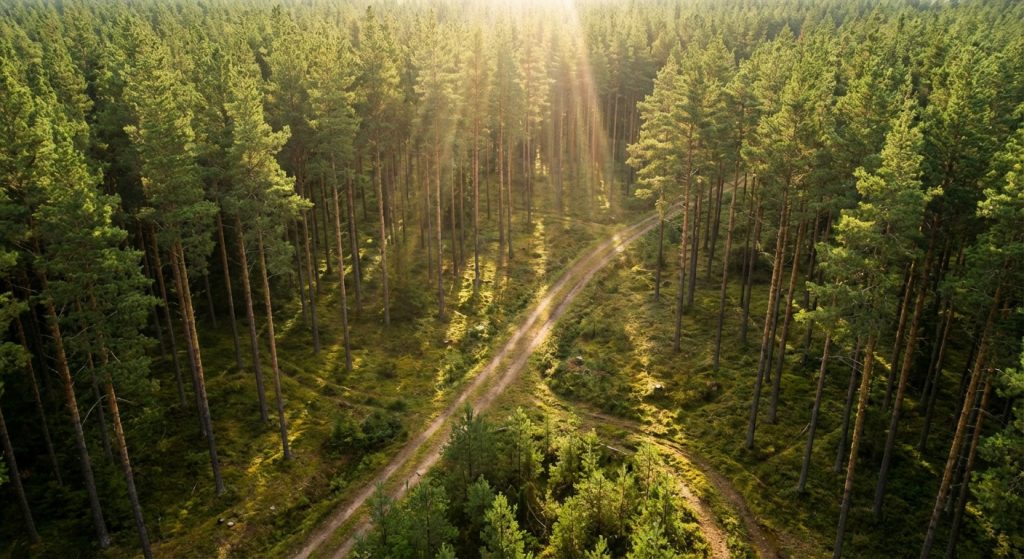
Pine forests are vital ecosystems. They provide timber and support biodiversity. Effective management is crucial for their health and productivity. This guide offers insights for forestry professionals. We will explore key strategies. These ensure sustainable and resilient pine forests.
The Importance of Pine Forests
Pine forests cover vast areas globally. They are economically important. They supply wood for construction and paper. Beyond economics, they offer ecological benefits. Pine forests are habitats for many species. They help regulate water cycles. They also sequester carbon, aiding climate change mitigation. Therefore, understanding their management is essential.
Key Principles of Pine Forest Management
Successful pine forest management relies on several core principles. These principles guide decision-making. They ensure long-term forest health. Firstly, sustainability is paramount. Management practices must meet present needs. They must also safeguard future forest resources. Secondly, biodiversity is key. Protecting diverse species enhances ecosystem resilience. Thirdly, adaptive management is vital. This involves monitoring forest conditions. It also means adjusting strategies as needed.
Silvicultural Practices for Pine Forests
Silviculture involves controlling forest growth. It aims to achieve specific management goals. For pine forests, several techniques are important.
Planting and Regeneration
Regenerating pine forests can be done naturally or artificially. Natural regeneration uses existing seed trees. Artificial regeneration involves planting seedlings. Site preparation is crucial for seedling survival. This includes controlling competing vegetation. It also means ensuring proper soil conditions. Choosing the right pine species for the site is also important. Some species are better suited to certain climates or soil types. For instance, longleaf pine is known for its fire adaptation.
Thinning Operations
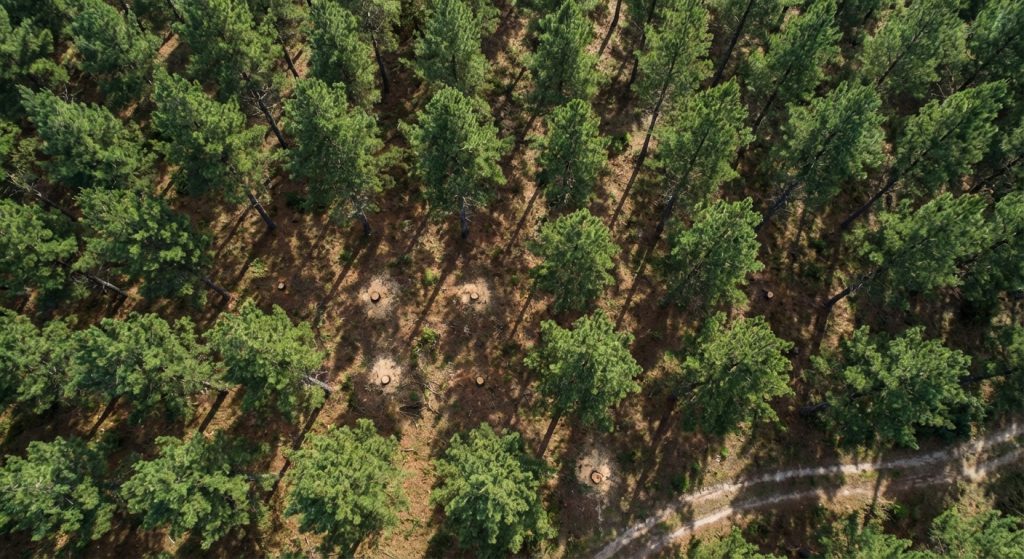
Thinning is the selective removal of trees. It reduces competition for resources. This allows remaining trees to grow larger and healthier. Thinning also improves forest structure. It can reduce the risk of wildfire. Moreover, it can enhance habitat for certain wildlife. There are different types of thinning. Crown thinning removes trees with poor crowns. Low thinning removes smaller, less vigorous trees. Thinning schedules depend on the stand’s age and density.
Pruning
Pruning involves removing lower branches from trees. This is often done to produce high-quality timber. It reduces knots in the wood. Pruning also helps prevent disease spread. However, it should be done carefully. Excessive pruning can stress trees. It is usually performed on younger trees. The timing and extent of pruning depend on the species and desired outcome.
Pest and Disease Management
Pine forests are susceptible to various pests and diseases. Effective management prevents widespread damage.
Common Pests
Bark beetles are a major threat. They bore into trees, disrupting nutrient flow. Ips beetles and pine engravers are common examples. Defoliators, like the pine sawfly, can also cause significant damage. They consume pine needles. This weakens trees and can lead to mortality. Integrated Pest Management (IPM) is the best approach. IPM combines various methods to control pests. This includes biological controls and chemical treatments when necessary. Early detection is key to successful control.
Key Diseases
Fungal diseases are also a concern. Root rots, such as Heterobasidion annosum, weaken trees. Rust diseases can also affect pine trees. White pine blister rust is a notable example. It can be devastating to white pine species. Managing diseases involves selecting resistant species. It also includes proper sanitation. Removing infected trees can prevent further spread. Good forest health generally improves a tree’s natural resistance.
For more on managing pests naturally, explore organic pest defense strategies.
Fire Management in Pine Forests
Fire is a natural part of many pine ecosystems. However, management is needed to prevent catastrophic wildfires. Some pine species even require fire for regeneration. For example, certain pine cones only open after exposure to heat. Prescribed burning is a key tool. It reduces fuel loads. This lowers the intensity of future wildfires. It also mimics natural fire cycles. Prescribed burns must be carefully planned. They require specific weather conditions and expertise. Firebreaks are also important. They create barriers to slow or stop fire spread.
Biodiversity and Wildlife Considerations
Pine forests support diverse wildlife. Management practices should consider these inhabitants. Creating varied forest structures benefits many species. This includes leaving some snags (standing dead trees). Snags provide habitat for birds and insects. Maintaining diverse understory vegetation offers food and shelter. Protecting riparian areas within pine forests is also crucial. These areas are vital for water-dependent wildlife. Understanding the habitat needs of key species guides management decisions.
For insights into related ecosystems, consider nurturing native grasslands.
Sustainable Harvesting and Timber Yield
Sustainable harvesting ensures long-term timber availability. It means removing only what the forest can regenerate. Harvest methods should minimize soil disturbance. They should also protect remaining trees. Selective logging is often preferred over clear-cutting. This preserves forest structure and biodiversity. Measuring and monitoring timber growth rates is essential. This data informs harvest planning. It ensures that harvesting is ecologically and economically sound.
Monitoring and Future Trends
Continuous monitoring is vital for effective management. This includes tracking forest health. It also involves assessing regeneration success. Climate change presents new challenges. Rising temperatures and altered precipitation patterns can impact pine forests. For instance, they can increase susceptibility to pests and diseases. Therefore, adaptive management strategies are more important than ever. Incorporating new technologies, such as remote sensing and AI, can improve monitoring. These tools help assess forest health over large areas. They provide valuable data for informed decision-making. The future of pine forest management requires a holistic approach. It must balance ecological, economic, and social needs.
Frequently Asked Questions (FAQ)
What is the most common pine species managed for timber?
While it varies by region, species like loblolly pine (Pinus taeda) in the southeastern United States and Scots pine (Pinus sylvestris) in Europe are widely managed for timber due to their fast growth and desirable wood properties.
How does prescribed burning help pine forests?
Prescribed burning reduces the accumulation of flammable material on the forest floor. This helps prevent severe wildfires. It also promotes the germination of seeds for fire-adapted pine species and stimulates the growth of understory plants that support wildlife.
What are the signs of bark beetle infestation?
Look for small, round holes in the bark, sawdust-like frass (insect excrement) around the base of the tree or in bark crevices, and yellowing or browning needles. Pitch tubes, which are masses of resin oozing from the bark, are also a common sign.
Can pine forests be managed for multiple uses?
Absolutely. Pine forests can be managed for timber production, recreation, wildlife habitat, watershed protection, and even carbon sequestration. Integrating these multiple uses requires careful planning and balancing of competing objectives.
What is the role of soil health in pine forest management?
Healthy soil is fundamental. It supports tree growth, nutrient cycling, and water retention. Practices like minimizing soil compaction during logging and promoting healthy ground cover contribute to robust soil ecosystems. Understanding regenerative soil science can offer valuable insights for forest health.
Conclusion
Effective pine forest management is a complex but rewarding endeavor. It requires a deep understanding of ecological processes. It also demands a commitment to sustainable practices. By implementing sound silvicultural techniques, managing pests and diseases proactively, and considering the role of fire and biodiversity, forestry professionals can ensure the long-term health and productivity of these invaluable ecosystems. Continuous learning and adaptation to changing environmental conditions are key to future success.