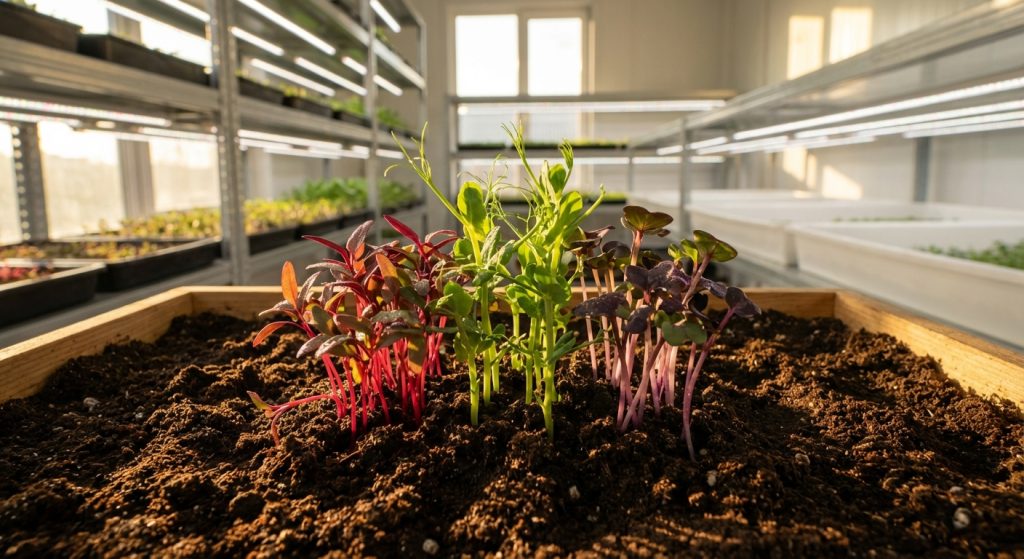
Starting a microgreen business offers a unique opportunity. It requires less space. It also needs less capital than traditional farming. Furthermore, the demand for these nutrient-dense greens is soaring. Many consumers seek fresh, healthy food options. Therefore, this niche market is ripe for expansion. This article will guide you through growing your microgreen business.
Understanding the Microgreen Market
Microgreens are young vegetable greens. They are harvested just after the cotyledon leaves have developed. They are typically one to three inches tall. Microgreens pack a powerful nutritional punch. They contain higher concentrations of vitamins and antioxidants. Moreover, their intense flavors add culinary appeal. Consequently, chefs and home cooks alike prize them. The market is growing steadily. It is driven by health consciousness and culinary trends.
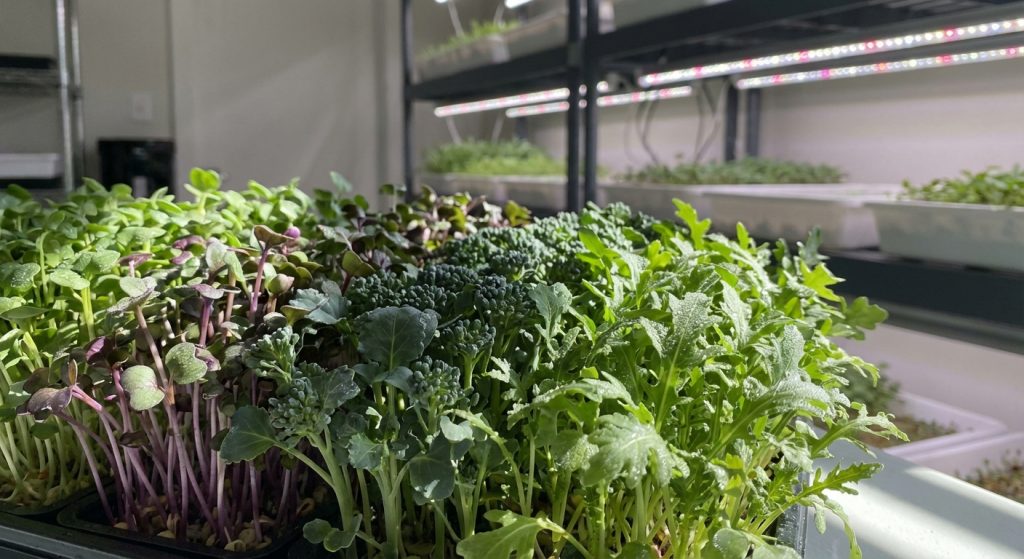
Indeed, the global microgreens market is expanding. It is projected to reach significant value in the coming years. This growth indicates strong consumer interest. It also highlights the potential for profitability. Therefore, understanding your target audience is crucial. Are you aiming for restaurants, farmers’ markets, or direct-to-consumer sales?
Essential Steps for Business Growth
Launching and scaling a microgreen business involves several key stages. Firstly, you need a solid foundation. This includes understanding cultivation and business planning. Next, you must focus on marketing and distribution. Finally, continuous improvement is vital for sustained growth.
1. Cultivation Expertise
Mastering the art of growing microgreens is paramount. This involves selecting the right varieties. It also means understanding their specific growing conditions. Factors like light, water, and temperature are critical. For example, some microgreens thrive in indirect light. Others need more direct sunlight. Proper sanitation is also essential. It prevents disease and ensures product quality.
Consider starting with popular varieties. These often have higher demand. Examples include radish, broccoli, and arugula. As you gain experience, you can diversify. Experiment with less common but flavorful options. This will help you stand out. Furthermore, investing in quality seeds is non-negotiable. It directly impacts germination rates and yield.
2. Business Planning and Setup
A well-structured business plan is your roadmap. It should outline your goals. It should also detail your strategies. Include market analysis, financial projections, and operational plans. For instance, determine your startup costs. These might include trays, soil, seeds, and lighting. Then, project your revenue based on anticipated sales volumes.
Consider your legal structure. Will you operate as a sole proprietorship, LLC, or corporation? Register your business and obtain any necessary permits. Moreover, think about your growing space. It can range from a small indoor setup to a larger greenhouse. Many successful microgreen businesses start small. They scale up as demand increases. For example, you might begin in your garage or spare room. This minimizes initial investment.
3. Marketing and Sales Strategies
Effective marketing is key to reaching your customers. Build a strong brand identity. This includes a memorable name and logo. High-quality visuals of your microgreens are also essential. Use social media to showcase your products. Share recipes and health benefits. Engage with your audience. Furthermore, consider attending local farmers’ markets. This allows direct customer interaction. It also builds brand awareness.
Building relationships with chefs and restaurant owners is vital. Offer samples and discuss their needs. Consistent quality and reliable delivery are crucial for retention. You could also explore subscription models. This provides predictable revenue. For example, a weekly or bi-weekly delivery service can be very popular. Additionally, consider partnerships with local health food stores. These outlets often cater to your target demographic.
4. Distribution and Logistics
Efficient distribution ensures your microgreens reach customers fresh. Plan your harvesting schedule carefully. Harvest just before delivery. Use appropriate packaging to maintain freshness. Insulated bags or containers can help. Timeliness is critical. Customers expect their produce to be vibrant and crisp.
If delivering yourself, plan efficient routes. Consider using a refrigerated vehicle for larger operations. Alternatively, partner with local delivery services. For wholesale clients like restaurants, establish clear delivery windows. Always communicate any potential delays proactively. This builds trust and professionalism.
Scaling Your Microgreen Business
As your business grows, you’ll need to adapt. Scaling up involves several considerations. These include expanding your growing capacity. They also involve streamlining operations and managing a larger team.
Expanding Growing Capacity
You might need to move to a larger facility. This could be a dedicated greenhouse or warehouse space. Invest in more efficient growing systems. Vertical farming racks can maximize space utilization. Automated watering systems can save time. Also, consider investing in advanced LED grow lights. They provide optimal light spectrums for microgreen growth. More space also means more seeds and soil. So, plan your supply chain accordingly.
Streamlining Operations
With increased volume, efficiency becomes even more important. Implement standardized operating procedures. This ensures consistency. For example, create checklists for planting, harvesting, and packaging. Invest in inventory management software. This helps track seed stock, growing cycles, and sales. Automation can also play a role. Consider automated seeding machines or harvesting tools. These can significantly reduce labor time. Furthermore, optimizing your workflow can prevent bottlenecks.
Building a Team
As your business expands, you will likely need help. Hire reliable individuals. Train them thoroughly on your growing methods and quality standards. Delegate tasks effectively. For instance, assign specific roles for planting, harvesting, packaging, and delivery. A strong team is essential for managing increased demand. Moreover, foster a positive work environment. Happy employees contribute to business success.
Challenges and Solutions
Every business faces challenges. Microgreen businesses are no exception. However, with foresight, these can be overcome.
Pest and Disease Management
Indoor growing environments can reduce pest issues. However, they are not entirely immune. Common problems include fungus gnats and mold. Prevention is key. Maintain good airflow. Avoid overwatering. Use sterile growing mediums. If an outbreak occurs, act quickly. Integrated pest management (IPM) strategies are effective. These might include beneficial insects or organic pesticides. For instance, introducing predatory mites can control fungus gnats. You can also explore organic pest defense methods.
Market Saturation and Competition
As the market grows, competition increases. Differentiate your business. Offer unique varieties. Focus on exceptional quality and customer service. Build strong relationships with your clients. For example, offer personalized service to restaurants. Provide educational content to consumers. Consider niche markets. Perhaps organic certification or specific ethnic microgreens. Innovation is your best defense against saturation. Always look for new ways to add value.
Seasonality and Weather
While indoor growing offers control, outdoor factors can still play a role. For example, energy costs might fluctuate seasonally. Extreme weather events could impact deliveries. Having backup plans is essential. For instance, secure alternative suppliers or delivery routes. Maintain a buffer stock of non-perishable items. This can help weather minor disruptions. Therefore, resilience planning is crucial.
The Future of Microgreens
The microgreen industry continues to evolve. Innovations in growing technology are emerging. These include advanced hydroponic and aeroponic systems. Furthermore, research into new microgreen varieties is ongoing. These might offer enhanced nutritional profiles or unique flavors. As urban farming gains traction, microgreens are well-positioned. They require minimal space. They can be grown in diverse environments. This makes them ideal for city dwellers. The trend towards healthy eating and sustainable agriculture also bodes well. Therefore, the future for dedicated microgreen entrepreneurs looks bright.
Frequently Asked Questions (FAQ)
What are the most profitable microgreens to grow?
Generally, microgreens with higher seed costs or unique flavor profiles can be more profitable. Examples include specialty radishes, amaranth, and certain herbs. However, consistent demand for staples like broccoli and arugula also makes them reliable profit generators.
How much space do I need to start a microgreen business?
You can start a microgreen business with very little space. A shelf unit with grow lights in a spare room or garage can suffice. Many entrepreneurs begin with just a few square feet. As demand grows, you can scale up to larger indoor spaces or greenhouses.
What is the average profit margin for a microgreen business?
Profit margins can vary significantly. However, many microgreen businesses report margins between 50% and 75%. This depends on factors like production costs, pricing, sales channels, and efficiency.
Do I need special equipment for microgreen farming?
Essential equipment includes trays, a growing medium (like soil or coco coir), quality seeds, and a light source. Many growers use LED grow lights. You’ll also need a way to water them, such as a spray bottle or a watering tray system.
How can I market my microgreens effectively?
Effective marketing involves online presence (social media, website), local outreach (farmers’ markets, restaurants), quality visuals, and highlighting health benefits. Building strong customer relationships is also key.
Conclusion
Microgreen business growth is achievable with dedication and a strategic approach. By focusing on cultivation expertise, solid business planning, effective marketing, and efficient logistics, agripreneurs can cultivate a thriving enterprise. Remember to adapt to challenges and embrace innovation. The demand for fresh, nutritious microgreens is robust. Therefore, a well-managed microgreen business can yield significant rewards. It contributes positively to both consumer health and sustainable agriculture. Consider exploring related fields like regenerative agribusiness to further enhance your sustainable farming practices.