
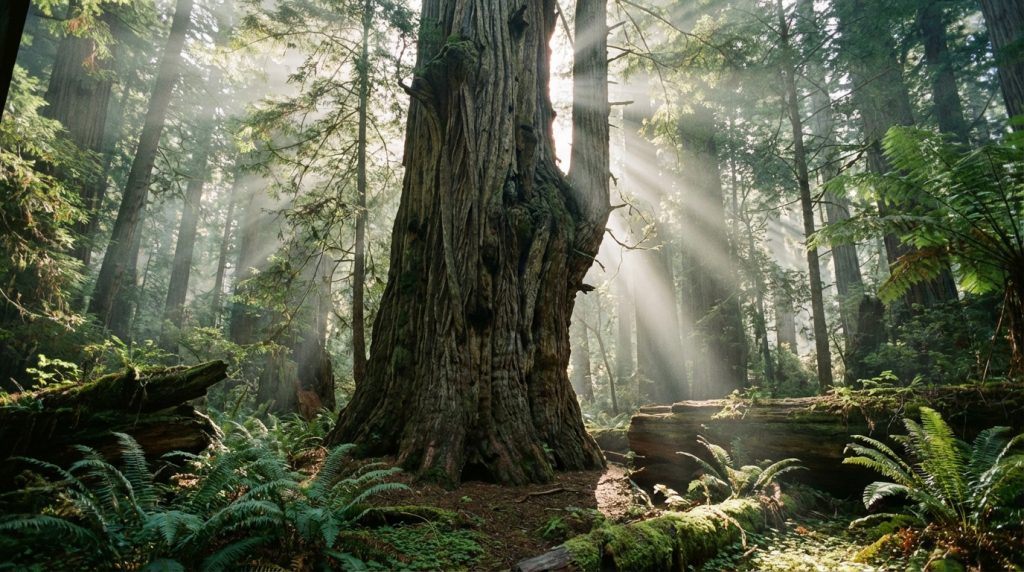
Ancient trees are truly remarkable. They stand as silent witnesses to centuries, even millennia, of history. These venerable giants offer invaluable insights into ecological processes and the resilience of life. Their longevity is a testament to nature’s enduring power. Let’s explore the fascinating world of ancient tree longevity.
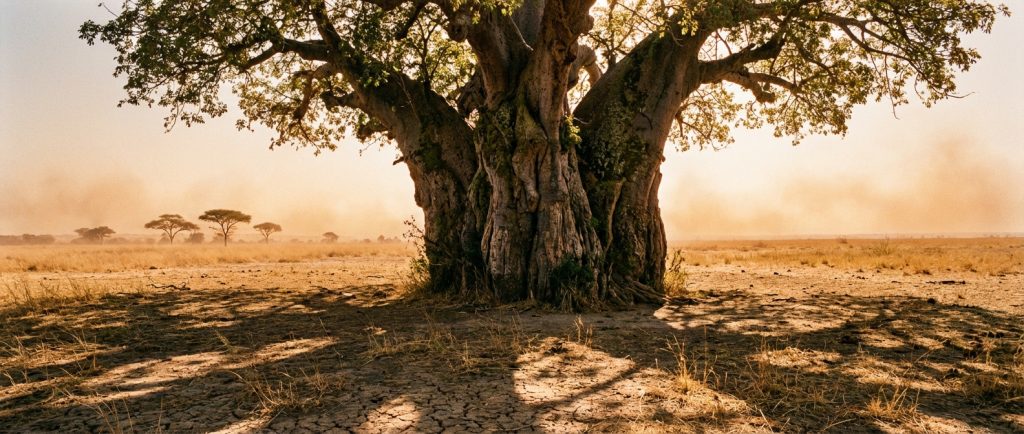
The Secrets of Tree Longevity
What allows some trees to live for so long? It’s a complex interplay of factors. Genetic predisposition plays a significant role. Some species are simply programmed for a longer lifespan. For instance, Bristlecone pines are renowned for their extreme age.
Furthermore, environmental conditions are crucial. Trees in stable, protected environments often live longer. This means they need consistent access to water and nutrients. They also benefit from minimal damage from harsh weather or disease. Therefore, their ability to thrive is paramount.
Genetic Resilience and Adaptability
Trees have developed sophisticated defense mechanisms over time. They can repair DNA damage. They also have robust immune systems. These help them fight off pathogens and environmental stressors. As a result, they can endure for extended periods.
Moreover, their ability to adapt is key. Trees can adjust their growth patterns. They can also alter their metabolic processes. This allows them to cope with changing conditions. Hence, their survival is often ensured.
Environmental Factors Supporting Longevity
Location matters greatly. Ancient trees are often found in undisturbed forests or remote areas. These places offer protection from human interference and extreme events. For example, a dense forest canopy can shield a tree from strong winds.
Consistent resources are also vital. A steady supply of water ensures physiological functions continue. Nutrient-rich soil supports growth and repair. Therefore, a stable ecosystem is essential for long-term survival.
Why Do Some Tree Species Live Longer?
Different tree species have vastly different lifespans. Some live for a few decades. Others can endure for thousands of years. This variation is largely due to their evolutionary strategies.
Species adapted to harsh conditions often have slower growth rates. This can lead to increased longevity. For example, trees in arid or cold climates may develop more durable tissues. Consequently, they are better equipped for survival.
Slow Growth, Long Life
Trees like the Giant Sequoia and Bristlecone Pine grow very slowly. This slow growth leads to dense, resilient wood. It also means they invest less energy in rapid expansion. Instead, they focus on survival and maintenance. Thus, they can last for millennia.
In contrast, fast-growing trees often have shorter lifespans. They reach maturity quickly. However, their wood may be less dense and more susceptible to damage. Therefore, their existence is typically much shorter.
Defensive Strategies and Longevity
Many ancient trees possess natural defenses. These include thick bark, which protects against fire and insects. Some trees produce chemical compounds that deter pests. These defenses help them survive threats over centuries. As a result, they are better protected.
Furthermore, some trees can compartmentalize damage. When injured, they can isolate the affected area. This prevents the spread of decay or disease. This is a critical survival mechanism for long-lived species.
The Ecological and Scientific Importance of Ancient Trees
Ancient trees are more than just old. They are vital ecological hubs. They support vast biodiversity. They also hold invaluable scientific data.
Studying them provides insights into past climates. It also reveals how ecosystems have evolved. Therefore, their preservation is crucial for understanding our planet.
Biodiversity Hotspots
These trees provide habitats for countless species. Birds nest in their branches. Insects and fungi live within their bark and wood. Many specialized organisms depend solely on these ancient giants. Consequently, they are essential for forest health.
Their presence enriches the entire ecosystem. They contribute to nutrient cycling and soil formation. For instance, decaying wood enriches the soil. This supports new plant growth. Hence, they are foundational to forest life.
Climate Archives
Tree rings are a remarkable record of past climates. Scientists can analyze these rings to understand historical rainfall patterns, temperature fluctuations, and even major events like fires or droughts. This is known as dendrochronology. It provides a detailed timeline of environmental changes. Thus, they are living historical records.
This data is invaluable for climate modeling. It helps us predict future climate trends. It also informs conservation efforts. Therefore, understanding tree rings is vital. You can learn more about related ecological monitoring in articles on smart forestry using LiDAR and AI.
Threats Facing Ancient Trees
Despite their resilience, ancient trees face numerous threats. Climate change is a major concern. Increased temperatures and altered rainfall patterns stress even the oldest trees. Furthermore, human activities pose significant risks.
Deforestation, pollution, and disease can decimate ancient tree populations. Protecting these natural wonders is a global challenge. Therefore, concerted efforts are needed.
Climate Change Impacts
Rising global temperatures can push species beyond their tolerance limits. Changes in precipitation can lead to drought stress or increased susceptibility to disease. Extreme weather events, like severe storms or prolonged heatwaves, can cause direct damage. As a result, their survival is increasingly precarious.
Warmer winters may also reduce snowpack insulation. This can expose tree roots to damaging frost. Consequently, even seemingly minor climatic shifts can have profound effects. This is why understanding climate change resilience in plants is so important.
Human Activities and Habitat Loss
Logging and land development directly destroy ancient trees and their habitats. Even indirectly, pollution can harm them. Acid rain can damage leaves and roots. Soil contamination can impair nutrient uptake. Therefore, human impact is a constant threat.
Urbanization also encroaches on forest ecosystems. This fragmentation isolates populations. It can also introduce new stresses. For instance, increased foot traffic can compact soil around roots. Consequently, their environment is often compromised.
Conservation Efforts and Future Outlook
Protecting ancient trees requires multifaceted approaches. This includes preserving their habitats. It also involves managing threats effectively. International cooperation is vital for safeguarding these global treasures.
Scientific research continues to uncover new ways to support tree health. Innovative conservation strategies are being developed. Therefore, there is hope for their future.
Habitat Protection and Restoration
Establishing protected areas is a primary strategy. This ensures that ancient trees and their surrounding ecosystems remain undisturbed. Reforestation and habitat restoration projects are also crucial. These efforts aim to recreate suitable environments for trees to thrive. Hence, active conservation is key.
Furthermore, sustainable forestry practices can help. They balance timber needs with ecological preservation. This ensures that forests can be managed responsibly. You can explore more about this in guides on sustainable forestry.
Technological Innovations in Conservation
Advanced technologies are aiding conservation efforts. LiDAR and AI are revolutionizing forest health monitoring. This allows for early detection of threats. It also helps in mapping and assessing ancient tree populations. For example, LiDAR and AI in forest monitoring offers unprecedented insights.
Genetic research also plays a role. Understanding the genetic makeup of long-lived species can help in breeding programs. This aims to enhance resilience. Therefore, science and technology are powerful allies. They support the mission to protect these ancient beings.
Frequently Asked Questions (FAQ)
What is the oldest known living tree?
The oldest known living tree is a Great Basin Bristlecone Pine (Pinus longaeva) named “Methuselah.” It is located in the White Mountains of California and is over 4,850 years old. Another Bristlecone Pine, “Old Hara,” is estimated to be even older, possibly over 5,000 years.
How do scientists determine the age of ancient trees?
Scientists primarily use dendrochronology, the study of tree rings, to determine age. For very old trees, core samples are taken to count the annual growth rings without harming the tree significantly. Radiocarbon dating can also be used for dating wood samples from very ancient trees.
Can ancient trees be transplanted?
Transplanting ancient trees is extremely difficult, expensive, and often unsuccessful. Their root systems are vast and deeply established. Moving them can cause irreparable damage. Therefore, it is generally not a viable conservation strategy. It is far better to protect them in situ.
What role do ancient trees play in carbon sequestration?
Ancient trees are significant carbon sinks. They absorb vast amounts of carbon dioxide from the atmosphere over their long lifespans. Their large biomass stores this carbon. Therefore, they play a critical role in mitigating climate change. Protecting old-growth forests is essential for carbon capture.
Conclusion
Ancient trees are more than just old plants. They are living libraries of history. They are vital ecological pillars. Their longevity is a marvel of nature. Understanding their secrets helps us appreciate their value. Protecting them is a responsibility we all share. For the health of our planet, we must ensure these ancient sentinels continue to stand for generations to come.
