
The Anti-Inflammatory Diet: Foods That Heal and Hurt
Published on December 25, 2025 by Admin
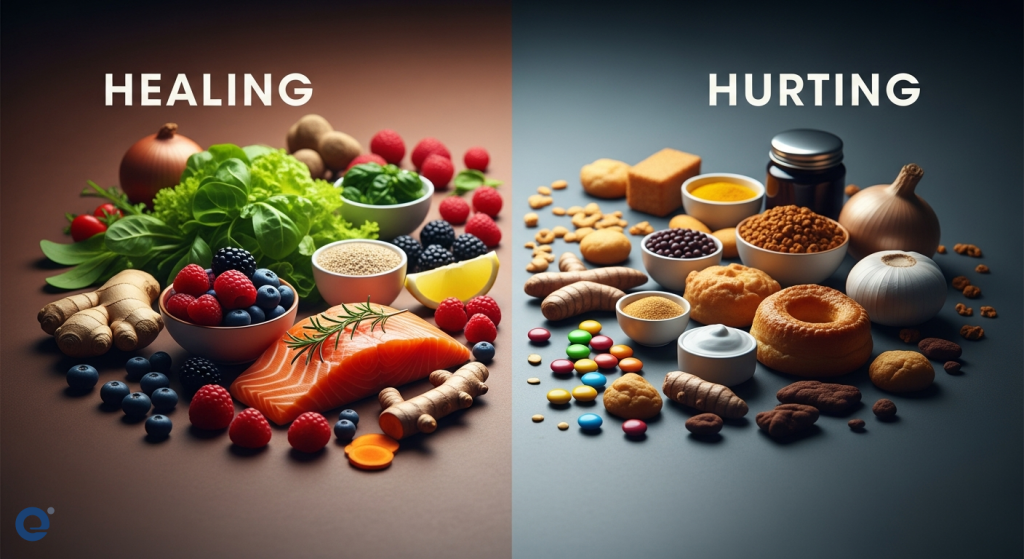
Inflammation is a natural bodily process. It’s your immune system’s response to threats. However, when inflammation becomes chronic, it can cause significant health problems. This is especially true for individuals dealing with arthritis or skin flare-ups. Fortunately, your diet plays a crucial role. An anti-inflammatory diet can help manage these conditions. It focuses on foods that reduce inflammation and limit those that worsen it.
Understanding which foods to embrace and which to avoid is key. This article will guide you through the principles of an anti-inflammatory diet. We will explore the science behind it. We will also provide practical advice for incorporating these principles into your daily life. Therefore, you can make informed choices to support your health and well-being.
What is Chronic Inflammation?
Your immune system protects you. It activates when it detects something foreign. This can be a microbe or pollen. This activation triggers a process called inflammation. Short bursts of inflammation are good. They help your body heal from injuries or fight infections. However, sometimes inflammation persists. It continues day after day, even without a threat. This is known as chronic inflammation.
Chronic inflammation is linked to many serious diseases. These include cancer, heart disease, diabetes, and Alzheimer’s. It is also a major factor in conditions like arthritis. It can exacerbate skin conditions. Therefore, managing chronic inflammation is vital for long-term health.
How Diet Impacts Inflammation
The food you eat has a profound effect on your body. It can either promote or reduce inflammation. Many experimental studies show that food components have anti-inflammatory effects. Conversely, other foods can accelerate the inflammatory process. Dr. Frank Hu, a professor at Harvard’s School of Public Health, emphasizes this point. He states that choosing the right foods can reduce your risk of illness. Conversely, consistently picking the wrong ones can worsen inflammatory diseases.
It’s not just about the calories. Some food components have independent effects on inflammation. These effects occur even beyond increased caloric intake. Therefore, focusing on the quality of your food is essential. This is particularly important for conditions like arthritis and inflammatory skin issues.
Foods That Fight Inflammation (The “Healers”)
An anti-inflammatory diet emphasizes whole, unprocessed foods. These foods are rich in nutrients that combat inflammation. They include antioxidants, healthy fats, and fiber. The Mediterranean diet is often cited as a prime example of an anti-inflammatory eating pattern. It is high in fruits, vegetables, whole grains, fish, and healthy oils.
Fruits and Vegetables: Antioxidant Powerhouses
Fruits and vegetables are packed with antioxidants. Antioxidants protect your cells from damage. They also support your immune system. Colorful produce is particularly beneficial. This is because they often contain polyphenols, which have anti-inflammatory properties. Aim to fill half your plate with these vibrant foods.
- Berries: Blueberries, strawberries, raspberries, and cherries are rich in antioxidants.
- Leafy Greens: Spinach, kale, and collard greens are excellent sources of vitamins and minerals.
- Tomatoes: These are a good source of lycopene, an antioxidant.
- Citrus Fruits: Oranges and grapefruits provide vitamin C.
- Cruciferous Vegetables: Broccoli and Brussels sprouts offer beneficial compounds.
The Arthritis Foundation recommends eating at least 1½ to 2 cups of fruit and 2 to 3 cups of vegetables per meal. This ensures you get a wide array of beneficial nutrients. These colorful foods are key to fighting inflammation.
Fatty Fish: Rich in Omega-3s
Certain types of fish are loaded with inflammation-fighting omega-3 fatty acids. These fats can help reduce C-reactive protein (CRP) and interleukin-6. These are two proteins in your body that indicate inflammation. Eating fatty fish twice a week is recommended.
- Salmon
- Mackerel
- Tuna
- Sardines
- Anchovies
Aim for at least 3 to 4 ounces of fatty fish per serving. Cold-water fish are generally the best sources. Omega-3s are crucial for reducing inflammatory markers.
Nuts and Seeds: Healthy Fats and Fiber
Nuts and seeds are a fantastic source of healthy fats. They also provide protein and filling fiber. These components contribute to reduced inflammation. They can also aid in weight management. A daily handful of nuts is a good target.
- Almonds
- Walnuts
- Pistachios
- Pine Nuts
- Chia Seeds
- Flaxseeds
Eating about 1.5 ounces of nuts daily is recommended. Walnuts and almonds are particularly beneficial. They are rich in monounsaturated fats and antioxidants.
Olive Oil: Nature’s Healthy Fat
Extra virgin olive oil is a cornerstone of the Mediterranean diet. It contains heart-healthy monounsaturated fats. It also boasts antioxidants and a compound called oleocanthal. Oleocanthal has been shown to lower inflammation and pain. Use two to three tablespoons per day for cooking or in salad dressings.
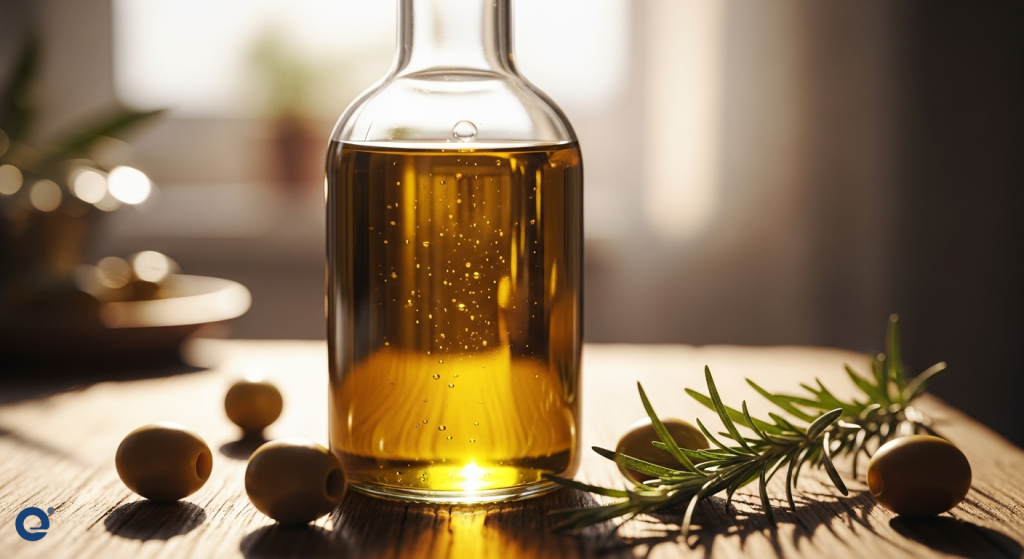
Always opt for extra virgin olive oil. It is less refined and retains more nutrients. Look for dark bottles and harvest dates for optimal freshness.
Beans and Legumes: Fiber and Nutrients
Beans and legumes are nutritional powerhouses. They are packed with antioxidants and anti-inflammatory compounds. They are also an excellent, low-cost source of fiber, protein, and essential minerals.
- Pinto Beans
- Black Beans
- Red Kidney Beans
- Garbanzo Beans (Chickpeas)
- Lentils
Include at least one cup of beans or legumes twice a week. They can be added to soups, salads, or main dishes. These plant-based proteins are vital for reducing inflammation.
Whole Grains: The Unprocessed Power
Whole, intact grains are preferable to refined ones. They provide fiber and other nutrients that support gut health. A healthy gut microbiome is linked to reduced inflammation. Fiber, in particular, helps lower C-reactive protein (CRP).
- Oats
- Quinoa
- Brown Rice
- Barley
- Whole Wheat (in moderation)
Choose whole grains that are minimally processed. Avoid refined white bread and white rice. These are often stripped of their beneficial fiber and nutrients.
Herbs and Spices: Natural Anti-inflammatories
Many herbs and spices possess potent anti-inflammatory properties. They can add flavor to your meals without adding unhealthy ingredients.
- Turmeric (contains curcumin)
- Ginger
- Garlic
- Cinnamon
- Rosemary
- Oregano
Incorporate these liberally into your cooking. Turmeric and ginger are particularly well-known for their anti-inflammatory effects.
Coffee and Green Tea
Both coffee and green tea contain polyphenols. These are compounds with antioxidant and anti-inflammatory properties. They may help protect against chronic inflammation. Enjoy them in moderation. Be mindful of added sugars or creamers.
Foods That Hurt Inflammation (The “Hurtful”)
Just as some foods heal, others can promote inflammation. Limiting or avoiding these foods can significantly improve your health. These often include highly processed items and those high in unhealthy fats and sugars.
Refined Carbohydrates
Refined carbohydrates are stripped of their fiber and nutrients. They can cause rapid spikes in blood sugar. This can lead to increased inflammation.
- White bread
- Pastries
- White rice
- Sugary cereals
- Pasta made from refined flour
Opt for whole-grain alternatives whenever possible. Complex carbohydrates provide sustained energy and fiber. You can learn more about the benefits of complex carbs in understanding complex carbohydrates.
Fried Foods
Frying foods, especially at high temperatures, creates harmful compounds. These compounds can promote inflammation. This includes french fries and other deep-fried items. Trans fats, often found in processed fried foods, are particularly detrimental.
Sugary Drinks and Added Sugars
Soda and other sugar-sweetened beverages are major sources of inflammation. They provide empty calories and can lead to weight gain, a risk factor for inflammation. Excessive sugar intake can also trigger inflammatory responses.
Limit your intake of:
- Sodas
- Fruit juices with added sugar
- Candies
- Desserts
- Sweetened yogurts
Breaking free from sugar addiction is possible with the right strategies. Explore resources on breaking the sugar addiction cycle.
Red Meat and Processed Meats
While moderate consumption of lean red meat might be acceptable for some, processed meats are generally inflammatory. They often contain high levels of sodium and preservatives.
- Burgers (especially processed)
- Steaks (high-fat cuts)
- Hot dogs
- Sausages
- Deli meats
Choose leaner cuts of meat in moderation. Prioritize plant-based proteins and fatty fish more often.
Unhealthy Fats
Certain fats can contribute to inflammation. These include saturated fats and trans fats.
- Margarine
- Shortening
- Lard
- Partially hydrogenated oils (found in many processed snacks)
These are often found in baked goods, processed snacks, and fast food. Always check ingredient labels for trans fats.
Excess Sodium
While research on salt is complex, excessive sodium intake can lead to fluid retention. This can contribute to high blood pressure. For those on certain medications for inflammatory conditions, sodium can be an issue. Playing it safe by holding the salt when possible is a good practice.
The Mediterranean Diet: A Blueprint for Health
The Mediterranean diet is frequently recommended for its anti-inflammatory benefits. It’s not a strict diet plan but rather an eating pattern. It emphasizes whole, unprocessed foods and healthy fats.
Key components include:
- Abundant fruits, vegetables, and legumes.
- Whole grains.
- Olive oil as the primary source of fat.
- Fish and seafood as preferred animal protein.
- Moderate dairy (yogurt, cheese).
- Limited red meat and sweets.
- Herbs and spices for flavor.
This dietary pattern has been linked to reduced inflammation and a lower risk of chronic diseases. It also promotes overall well-being and longevity.
Nightshades: A Note for Some Individuals
Nightshade vegetables include eggplant, tomatoes, peppers, and potatoes. Some people believe they can trigger arthritis flares. However, scientific evidence to support this is limited. If you suspect nightshades worsen your symptoms, you can try eliminating them for a couple of weeks. Then, reintroduce them to see if your symptoms change. Individual sensitivities can vary greatly.
Best Remedies for INFLAMMATION (Autoimmune, Gut, and Arthritis) That You Never Considered
Putting it All Together: Practical Tips
Adopting an anti-inflammatory diet can seem daunting. However, small, consistent changes can make a big difference. Focus on overall dietary patterns rather than single foods. Here are some practical tips:
- Plan Your Meals: Dedicate time to plan your meals for the week. This helps ensure you have healthy options readily available.
- Shop Smart: Focus on the perimeter of the grocery store. This is where fresh produce, lean proteins, and dairy are typically located.
- Read Labels: Be aware of added sugars, unhealthy fats, and sodium in packaged foods.
- Cook at Home: Preparing your own meals gives you control over ingredients.
- Stay Hydrated: Drink plenty of water throughout the day. This is crucial for overall health and can support nutrient absorption. Proper hydration is more than just water.
- Listen to Your Body: Pay attention to how different foods make you feel. This can help identify personal triggers for inflammation or discomfort.
- Consult a Professional: If you have specific health concerns, consult a doctor or a registered dietitian. They can provide personalized dietary advice.
Frequently Asked Questions
Is there a single “best” anti-inflammatory diet?
No, there isn’t one single “best” diet. However, dietary patterns like the Mediterranean diet are highly effective. The focus is on whole, unprocessed foods rich in antioxidants, healthy fats, and fiber.
Can diet cure arthritis or skin conditions?
Diet can significantly help manage symptoms and reduce inflammation associated with arthritis and skin conditions. It is a powerful tool for support but not typically a cure on its own. It should complement medical treatment.
How quickly can I expect to see results from an anti-inflammatory diet?
Results vary from person to person. Some individuals may notice improvements in their symptoms within a few weeks. Others may take longer. Consistency is key to long-term benefits.
Are supplements necessary for an anti-inflammatory diet?
While some supplements like omega-3s or vitamin D may be beneficial, it’s best to get nutrients from whole foods. Always consult your doctor before starting any new supplements, as they can interact with medications. Understanding which vitamins actually work is important.
Can I still enjoy occasional treats on an anti-inflammatory diet?
Absolutely. The goal is balance, not deprivation. Enjoying occasional treats in moderation is part of a sustainable healthy lifestyle. Focus on making healthier choices the majority of the time.
Conclusion
The anti-inflammatory diet offers a powerful way to manage chronic inflammation. By focusing on nutrient-dense foods that heal and limiting those that hurt, you can significantly improve your health. This is especially beneficial for individuals with arthritis or skin flare-ups. Embrace the principles of whole foods, healthy fats, and plenty of fruits and vegetables. Your body will thank you for it.
