
Botanical Dye Extraction: Nature’s Palette for Fashion
Published on February 3, 2026 by Admin
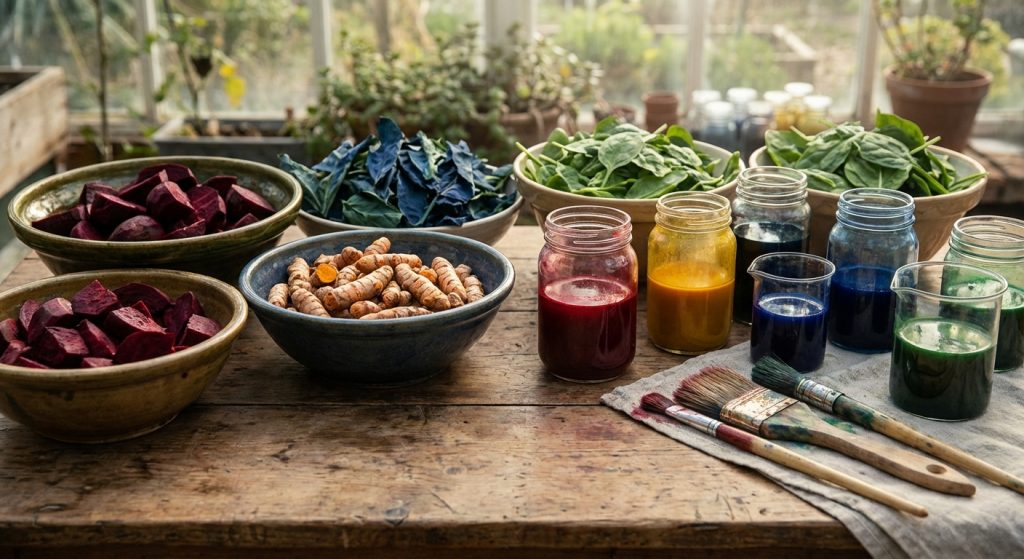
Sustainable fashion designers are always seeking innovative ways to reduce their environmental impact. This includes exploring eco-friendly dyeing techniques. Botanical dye extraction offers a vibrant and natural alternative to synthetic dyes. Therefore, understanding this process is crucial for the future of ethical fashion. This article delves into the world of botanical dyes, explaining how they are extracted and their significance.
The Allure of Botanical Dyes
For centuries, natural dyes were the primary source of color for textiles. These dyes come from various plant parts like roots, leaves, flowers, and fruits. They also can be sourced from minerals and insects. Consequently, they offer a rich palette of colors. Moreover, botanical dyes are biodegradable. This is a significant advantage over synthetic dyes, which can pollute waterways. Therefore, they align perfectly with the principles of sustainable fashion.
Why Choose Botanical Dyes?
- Environmental Friendliness: They are renewable and biodegradable. This reduces the chemical load on the environment.
- Unique Hues: Botanical dyes often produce subtle, complex, and beautiful colors that synthetic dyes struggle to replicate.
- Healthier Processes: Extraction methods can be less toxic than those used for synthetic dyes. This benefits both the environment and the workers.
- Storytelling: Using plant-based dyes allows designers to connect their creations to nature and traditional practices.
Furthermore, the demand for sustainable products is growing. Consumers are increasingly aware of the environmental and social impact of their purchases. As a result, fashion brands are looking for ways to incorporate more sustainable practices. Botanical dyeing is a key area of innovation.
Understanding Botanical Dye Extraction
Extracting color from plants involves several key steps. The goal is to release the dye compounds from the plant material. This is typically achieved through heat and a solvent. Water is the most common and eco-friendly solvent. However, other agents might be used to improve dye uptake or colorfastness. The specific method depends on the plant material and the desired color.
Common Extraction Methods
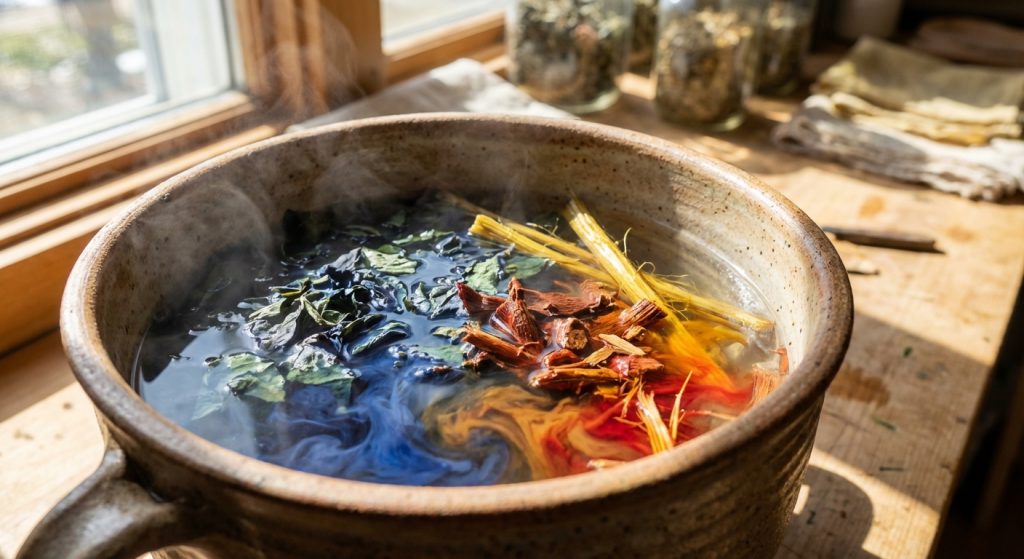
Generally, extraction involves simmering plant material in water. This process draws out the soluble pigments. Here are some common methods:
1. Simmering (Infusion)
This is the most straightforward method. You place the plant material in water. Then, you gently heat it. Simmering for an hour or more is typical. This allows the dye to leach into the water. Finally, strain the liquid to get your dye bath.
2. Maceration (Cold Dyeing)
Some delicate plant materials are best suited for cold extraction. This involves soaking the plant matter in water. You can do this at room temperature for an extended period, sometimes days. This method can yield different shades than heat extraction.
3. Decoction
This method is similar to simmering but uses boiling water. It’s often used for tougher plant parts like roots or bark. Boiling helps to break down these materials. It releases more potent dyes.
4. Solvent Extraction
While water is preferred, sometimes other solvents are used. For instance, alcohol or vinegar might be employed for specific plants. However, this reduces the eco-friendliness of the process. Therefore, it’s often a last resort.
Key Steps in the Extraction Process
Regardless of the specific method, several steps are common:
- Material Preparation: Fresh or dried plant materials are used. They are often chopped or ground. This increases the surface area. This helps release the dye more effectively.
- Ratio Determination: The amount of plant material to water is important. A common starting point is a 1:1 ratio by weight (plant material to fabric weight). However, this varies greatly.
- Extraction: The chosen method (simmering, maceration, etc.) is applied. Heat is usually involved. This releases the color into the solvent.
- Straining: The liquid dye extract is separated from the solid plant matter. Fine mesh sieves or cheesecloth are useful here.
- Dye Bath Preparation: The strained liquid becomes the dye bath. It’s often diluted further with water.
It’s important to note that not all plant parts yield usable dyes. Experimentation is key. Also, the season and growing conditions of the plant can affect dye yield and color. Furthermore, understanding the chemistry of plant pigments is beneficial. This helps predict color outcomes.
Mordants: The Key to Colorfastness
Botanical dyes often require a mordant. A mordant is a substance that helps the dye bind to the fabric. Without a mordant, many natural dyes will wash out easily. Mordants act as a bridge between the fiber and the dye molecule. This improves colorfastness and vibrancy. Common mordants include alum, iron, copper, and tin. However, some of these can have environmental concerns. Therefore, natural mordants are often preferred in sustainable practices. For example, tannins found in oak galls or tea can act as mordants.
Eco-Friendly Mordanting Options
- Alum (Potassium Aluminum Sulfate): Generally considered safe and widely used. It often brightens colors.
- Iron (Ferrous Sulfate): This mordant can darken colors and create beautiful greys and blacks. However, it can also weaken fibers over time.
- Tannins: Found in many plants like oak galls, sumac, and tea leaves. They can act as both a mordant and a dye.
- Soy Milk: A protein-rich binder that can help dyes adhere to cellulose fibers like cotton and linen.
It is crucial to handle mordants with care. Always work in a well-ventilated area. Use protective gear. Also, dedicate separate pots for dyeing and mordanting. Never use cooking pots for dyeing. This is for safety reasons.
Popular Botanical Dye Sources
Many plants offer vibrant and reliable colors. Some popular sources include:
- Yellow: Onion skins, turmeric, marigold flowers, weld.
- Red/Pink: Madder root, cochineal (insect-based, but often considered natural), avocado pits and skins.
- Blue: Indigo (requires a specific fermentation process), woad.
- Green: Spinach, nettles, eucalyptus leaves, chlorophyll (less colorfast).
- Brown/Tan: Walnut hulls, tea leaves, coffee grounds, oak bark.
- Purple: Red cabbage (pH sensitive, can shift to blue/pink), elderberries.
For instance, avocado pits and skins reliably produce beautiful shades of pink and peach. Similarly, onion skins offer a spectrum of yellows and oranges. The exploration of these plants is akin to discovering new resources for sustainable innovation. You can learn more about other sustainable materials in the textile industry’s future.
The Process of Dyeing Fabric
Once the dye is extracted and the fabric is prepared, the dyeing process begins. It’s essential to pre-wash the fabric. This removes any sizing or oils. Then, mordanting is usually done before dyeing. The mordanted fabric is then immersed in the dye bath. It’s gently heated and stirred. The duration of dyeing varies. It can range from an hour to several hours. The longer the fabric is in the bath, the deeper the color. After dyeing, the fabric is rinsed. Finally, it is dried.
Tips for Successful Dyeing
- Fiber Type Matters: Natural fibers like cotton, linen, wool, and silk take botanical dyes best. Synthetic fibers are generally not suitable.
- Water Quality: The pH and mineral content of your water can affect the colors. Distilled water can provide more consistent results.
- Experimentation is Key: Natural dyeing is an art. Results can vary. Keep detailed notes of your processes.
- Safety First: Always use separate pots and utensils for dyeing. Work in a well-ventilated area.
The beauty of botanical dyeing lies in its connection to the earth. It encourages a mindful approach to textile creation. Designers can also explore other natural processes, like those involved in creating pollinator gardens, to enhance their sustainable practices.
Challenges and Considerations
While botanical dyes offer many advantages, there are challenges. Consistency can be an issue. Batch-to-batch color variations can occur. This is due to natural variations in plant materials. Scalability for mass production is also a consideration. However, many designers are finding ways to manage these challenges. They embrace the unique character of natural dyes. This can even become a selling point.
Addressing Scalability and Consistency
For larger productions, designers might:
- Source materials from dedicated growers.
- Develop standardized extraction protocols.
- Embrace slight color variations as part of the brand’s aesthetic.
- Invest in technology to control dye bath parameters.
The journey towards a fully sustainable fashion industry is ongoing. Botanical dye extraction is a vital step. It represents a return to nature’s wisdom. It offers a path to beautiful, responsible textiles. Furthermore, understanding plant science, like that behind agroforestry, can inspire new material sources.
Frequently Asked Questions (FAQ)
Are botanical dyes as durable as synthetic dyes?
With proper mordanting and care, botanical dyes can be very durable. However, some natural dyes are more susceptible to fading from UV light or harsh washing than some synthetic counterparts. It depends on the specific dye and fiber.
Can I use any plant for dyeing?
Not all plants contain significant amounts of dye compounds. Some plants are toxic. It’s essential to research which plants are safe and known to produce usable colors. Always confirm the identity of plants before using them.
How do I store botanical dye extracts?
Freshly made dye extracts are best used immediately. However, you can store them in airtight containers in the refrigerator for a few days. For longer storage, you can freeze them or dry them into a powder.
What is the environmental impact of mordants?
Some traditional mordants, like tin and copper, can be toxic. However, widely used mordants like alum are generally considered safe. Natural mordants, such as tannins, are also very eco-friendly. Responsible disposal of mordant baths is crucial.
Can I achieve vibrant colors with botanical dyes?
Yes, vibrant colors are achievable. Popular sources like madder root and indigo produce brilliant reds and blues. The intensity of the color also depends on the concentration of the dye, the fiber type, and the mordant used.
Conclusion
Botanical dye extraction is a fascinating and rewarding process. It offers sustainable fashion designers a way to create beautiful textiles with a reduced environmental footprint. By understanding the extraction methods, mordanting techniques, and popular plant sources, designers can harness nature’s palette. The journey of natural dyeing is one of connection, creativity, and responsibility. It is a vital part of building a more sustainable future for fashion.
