Smart Greenhouse Automation: The Future of Farming
Published on February 3, 2026 by Admin
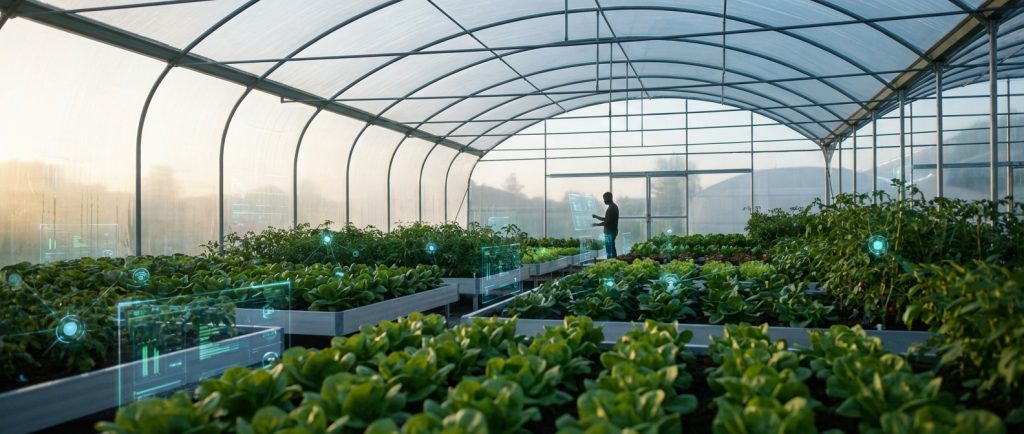
The agricultural landscape is rapidly evolving. Traditional farming methods are being augmented by technology. Smart greenhouse automation is at the forefront of this revolution. It offers unprecedented control over crop cultivation. This technology promises higher yields and better quality produce. Moreover, it optimizes resource use. Therefore, it is a key development for modern agriculture.
Greenhouses have long provided a controlled environment. They protect crops from harsh weather. They also help extend growing seasons. However, manual management is labor-intensive. It also relies on human observation. This can lead to inconsistencies. Smart automation addresses these limitations. It uses sensors and data to manage conditions precisely.
Understanding Smart Greenhouse Automation
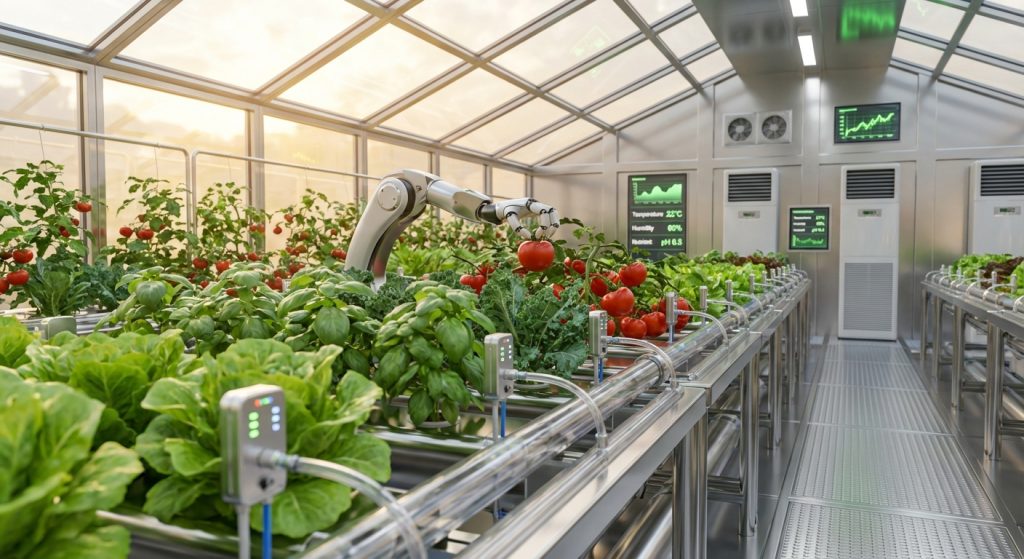
Smart greenhouse automation refers to the integration of technology. This technology allows for the remote monitoring and control of greenhouse environments. It involves a network of sensors. These sensors collect real-time data. They measure parameters like temperature, humidity, light intensity, and CO2 levels. This data is then processed by a central system.
The system can be a simple controller or a complex AI-driven platform. Based on the collected data, it makes automated adjustments. For instance, if the temperature rises too high, the system can activate ventilation. If humidity is too low, it can trigger misters. This ensures optimal growing conditions are maintained constantly. Therefore, plant stress is minimized.
Key Components of a Smart Greenhouse
- Sensors: These are the eyes and ears of the system. They measure environmental factors. Common sensors include thermometers, hygrometers, light meters, and CO2 sensors.
- Actuators: These are the devices that perform actions. Examples include fans, vents, pumps, and grow lights. They respond to commands from the control system.
- Control System: This is the brain of the operation. It receives data from sensors. It then sends commands to actuators. This can be a programmable logic controller (PLC) or a cloud-based platform.
- Software/Platform: This provides the interface for users. It allows for monitoring, data analysis, and manual overrides. Many platforms offer mobile apps for remote access.
Furthermore, advanced systems can integrate other data sources. This includes weather forecasts. It may also include crop-specific growth models. As a result, decision-making becomes more sophisticated.
Benefits of Smart Greenhouse Automation
The adoption of smart greenhouse technology brings numerous advantages. These benefits impact efficiency, productivity, and sustainability.
Increased Crop Yields and Quality
Precise control over the growing environment is paramount. It allows for the optimization of conditions for each specific crop. For example, plants can receive the exact amount of light and water they need. CO2 levels can be maintained at optimal concentrations. This leads to faster growth rates. Moreover, it results in higher quality produce. Therefore, farmers can achieve better market prices.
This level of control also reduces crop loss. Plants are less susceptible to diseases and pests when grown in ideal conditions. Hence, fewer resources are wasted on damaged crops. This contributes to a more profitable operation.
Optimized Resource Management
Water and energy are significant costs in agriculture. Smart automation significantly reduces waste. For instance, irrigation systems can be programmed to water plants only when necessary. They can also deliver the precise amount of water needed. This conserves water. Similarly, lighting and heating systems can be managed efficiently. They are activated only when required. This reduces energy consumption. As a result, operational costs are lowered.
The efficient use of resources also contributes to sustainability. It minimizes the environmental footprint of farming operations. This aligns with growing consumer demand for eco-friendly produce.
Reduced Labor Costs and Increased Efficiency
Manual monitoring and adjustments in a greenhouse are time-consuming. They require skilled labor. Smart automation significantly reduces the need for manual intervention. Tasks like watering, ventilation, and lighting become automated. This frees up labor for other critical tasks. Moreover, it reduces the reliance on manual labor. This is particularly beneficial in regions with labor shortages. Consequently, labor costs are reduced.
The system operates 24/7. This ensures consistent environmental control. Human error is also minimized. Therefore, overall operational efficiency is greatly enhanced.
Data-Driven Decision Making
Smart greenhouses generate vast amounts of data. This data provides valuable insights into crop performance. Farmers can track growth patterns. They can identify environmental factors affecting yield. They can also analyze historical data. This helps in making informed decisions for future plantings. For example, understanding which light spectrum promotes faster fruiting. Or which humidity level prevents fungal growth most effectively.
This data-driven approach moves farming from intuition to precision. It allows for continuous improvement. It also supports crop diversification. Farmers can experiment with new crops more confidently.
Types of Smart Greenhouse Automation Systems
The market offers a range of smart greenhouse automation solutions. These vary in complexity and cost.
Basic Automation Systems
These systems typically involve simple timers and sensors. They can automate basic functions like lighting and watering. For example, a timer can turn grow lights on and off at set intervals. A soil moisture sensor can trigger an irrigation pump. These are cost-effective entry points for automation.
Intermediate Automation Systems
These systems offer more sophisticated control. They integrate multiple sensors and actuators. They often feature a central control unit. This unit can be programmed with specific environmental setpoints. For instance, maintaining a temperature range of 20-25°C. These systems can manage ventilation, heating, and humidity more precisely.
Advanced AI-Powered Systems
The most advanced systems utilize artificial intelligence (AI) and machine learning (ML). They analyze complex datasets. They can predict potential issues. They also optimize growing parameters dynamically. These systems can learn from past performance. They adapt to changing conditions. For example, an AI might adjust nutrient delivery based on plant growth stage and environmental inputs. This represents the cutting edge of greenhouse technology.
These systems can also integrate with other farm management software. This provides a holistic view of the operation. It is beneficial for large-scale commercial operations. It can also help optimize processes related to regenerative agribusiness.
Implementing Smart Greenhouse Automation
Transitioning to smart greenhouse automation requires careful planning.
Assessing Your Needs
Firstly, identify your specific goals. What crops will you grow? What are your budget constraints? What level of control do you require? Understanding these factors is crucial. For example, a small operation growing herbs might need a simpler system. A large commercial farm growing high-value produce will likely need a more advanced solution.
Choosing the Right Technology
Research different manufacturers and systems. Consider factors like ease of use, reliability, and support. Look for systems that offer scalability. This allows you to expand your capabilities later. Also, consider the integration capabilities with existing farm equipment. It is also important to consider the potential for soil-less crop production techniques if applicable.
Installation and Calibration
Proper installation is key for accurate readings. Sensors must be placed correctly. Actuators need to be calibrated. Most reputable suppliers offer installation services. Alternatively, they provide detailed guides. Ongoing calibration is also important. This ensures the system continues to function optimally.
Training and Maintenance
Users must be trained on how to operate and monitor the system. Regular maintenance is essential. This includes cleaning sensors and checking equipment. Software updates should also be applied. Therefore, the system remains secure and efficient.
Challenges and Future Trends
Despite its benefits, smart greenhouse automation faces challenges.
Cost of Implementation
The initial investment can be substantial. This can be a barrier for small-scale farmers. However, the long-term savings often justify the cost. Furthermore, government grants and subsidies may be available. These can help offset initial expenses.
Technical Expertise
Operating and maintaining advanced systems may require technical knowledge. Training and ongoing support are crucial. As technology becomes more user-friendly, this challenge is diminishing.
Connectivity and Power
Reliable internet connectivity and a stable power supply are necessary. This can be an issue in remote agricultural areas. However, advancements in solar power and satellite internet are addressing this. For example, solutions for grid modernization trends can also indirectly benefit agricultural infrastructure.
Future Trends
The future of smart greenhouses is bright. We can expect more integration of AI and ML. This will lead to even greater precision. Robotics for tasks like harvesting are also being developed. Furthermore, the use of IoT (Internet of Things) will continue to grow. This will enable seamless connectivity between devices. Ultimately, smart greenhouse automation will play a vital role in global food security. It will also support more sustainable farming practices.
Frequently Asked Questions (FAQ)
What is the primary benefit of smart greenhouse automation?
The primary benefit is precise environmental control, leading to increased crop yields, improved quality, and optimized resource usage.
Is smart greenhouse automation suitable for small farms?
Yes, there are scalable solutions available, from basic timers to more advanced systems, making it accessible for various farm sizes.
What are the main components of a smart greenhouse system?
The main components are sensors, actuators, a control system, and the software interface.
How does smart automation help reduce costs?
It reduces costs by optimizing water and energy use, minimizing crop loss, and decreasing labor requirements.
Can smart greenhouses adapt to different crops?
Yes, the systems can be programmed with specific environmental parameters for various crops, allowing for flexibility.
Conclusion
Smart greenhouse automation is no longer a futuristic concept. It is a practical and powerful tool for modern agriculture. By leveraging technology, farmers can achieve higher productivity. They can also improve sustainability. The precise control over environmental factors ensures optimal plant growth. This leads to better crops and reduced waste. Although initial investment and technical expertise are considerations, the long-term benefits are undeniable. As technology advances, smart greenhouses will become even more sophisticated. They will undoubtedly play a crucial role in feeding a growing global population. Furthermore, they will contribute to a more resilient and sustainable food system. For those looking to enhance their agricultural output and embrace innovation, smart greenhouse automation is a compelling path forward.