
Ecotourism vs. Preservation: Finding a Sustainable Balance
Published on February 3, 2026 by Admin

The world’s natural wonders are a precious inheritance. They inspire awe and offer vital ecological services. However, these same places face growing pressure. Human activities, from development to tourism, can cause harm. This leads to a critical question: how do we protect these natural treasures? We must consider ecotourism versus preservation. Finding a sustainable balance is key. It involves careful planning and thoughtful execution. This article explores the nuances of this debate. It also offers strategies for achieving harmony between human enjoyment and ecological integrity.
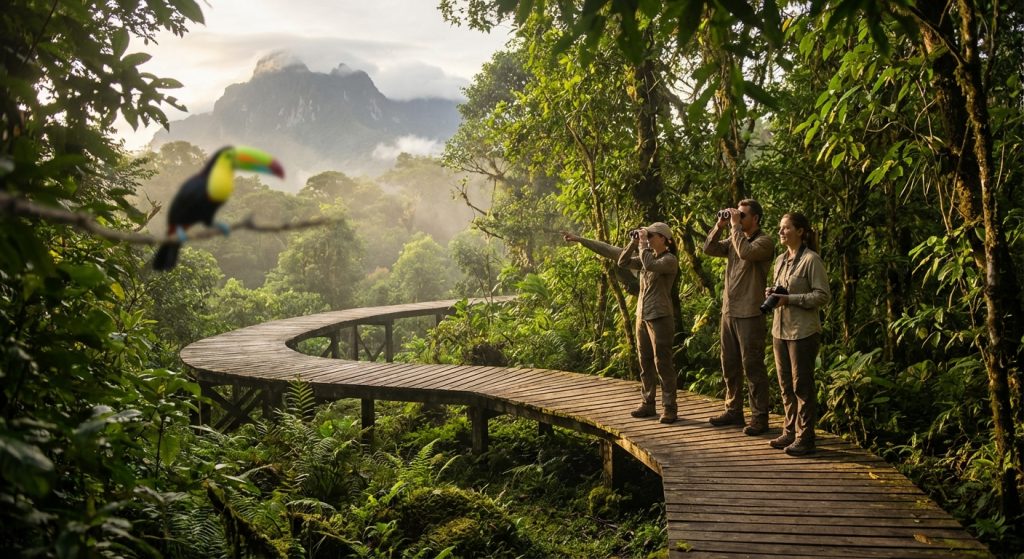
Understanding the Core Concepts
Ecotourism and preservation are often discussed together. Yet, they represent different approaches. Understanding their core principles is essential. This helps in appreciating the challenges and opportunities.
Ecotourism: Travel with a Purpose
Firstly, ecotourism focuses on responsible travel. It emphasizes visiting natural areas. The goal is to conserve the environment. It also aims to improve the well-being of local people. Ecotourism is more than just visiting nature. It involves education and engagement. Travelers learn about conservation efforts. They also contribute to them, often financially. Furthermore, it seeks to minimize negative impacts. This includes reducing waste and conserving resources. For example, choosing eco-lodges or supporting local guides are common practices.
Preservation: The Unspoiled Ideal
On the other hand, preservation advocates for protecting natural areas. This often means minimizing or eliminating human interference. The aim is to maintain these areas in their pristine state. Preservationists believe that some places are too fragile. They should be off-limits to most human activity. This approach prioritizes the long-term survival of ecosystems and species. It often involves strict regulations and protected zones. For instance, national parks with limited access or wilderness areas exemplify preservation.
The Tension Between Two Approaches
The fundamental tension arises from differing views on human interaction with nature. Ecotourism sees managed human presence as beneficial. It can fund conservation and raise awareness. Preservation, however, views any human presence as a potential threat. Therefore, it often advocates for strict protection.
Economic Realities and Conservation Funding
One of the main arguments for ecotourism is its economic benefit. Tourism can provide jobs for local communities. It also generates revenue. This revenue can then be reinvested in conservation projects. For instance, park entrance fees often fund park management and research. This economic incentive can be powerful. It can encourage local support for conservation efforts. Without economic benefits, communities might see little value in protecting natural areas. This is especially true in developing regions. However, poorly managed ecotourism can lead to over-exploitation. This is a significant risk.
The Risk of ‘Greenwashing’
A common criticism of ecotourism is the risk of ‘greenwashing’. This happens when businesses claim to be eco-friendly. However, their practices do not align with these claims. This can mislead tourists. It can also undermine genuine conservation efforts. Therefore, it is crucial to verify the credentials of ecotourism operators. Certifications and transparent reporting are important. Otherwise, the economic benefits might not translate to actual conservation gains. It can even lead to increased environmental degradation.
Preservation’s Unintended Consequences
While preservation aims for the purest form of protection, it is not without challenges. Strict preservation can sometimes alienate local communities. If they are excluded from their traditional lands or resources, they may resist conservation efforts. Moreover, some ecosystems require natural disturbances, like controlled fires. Complete exclusion of humans might prevent these natural processes. This can lead to unhealthy ecosystems in the long run. For example, the absence of natural fires can lead to fuel buildup. This increases the risk of devastating wildfires. Therefore, a nuanced approach is often necessary.
Finding the Sustainable Balance
The ideal solution often lies in finding a middle ground. This involves integrating the best aspects of both ecotourism and preservation. It requires a commitment to sustainability in all its forms.
Community-Based Ecotourism
Community-based ecotourism is a promising model. Here, local communities have a significant role in planning and managing tourism activities. They benefit directly from the tourism revenue. This gives them a strong incentive to protect their natural resources. Furthermore, their traditional knowledge can be invaluable. It helps in understanding and managing local ecosystems. For example, indigenous communities often possess deep insights into sustainable resource use. This approach fosters a sense of ownership and responsibility. It can lead to more effective and equitable conservation outcomes. You can learn more about the importance of community involvement in conservation initiatives by exploring topics like corporate social purpose.
Zoning and Carrying Capacity
Effective management involves zoning natural areas. Different zones can have different levels of human access. For instance, core wilderness areas might be strictly preserved. Buffer zones could allow for limited ecotourism activities. It is also crucial to understand the carrying capacity of an area. This refers to the maximum number of visitors an ecosystem can sustain without degradation. Monitoring visitor numbers and implementing quotas are essential. This prevents overcrowding and minimizes ecological stress. For example, limiting daily visitors to sensitive natural sites ensures their long-term health.
Education and Interpretation
A vital component of sustainable ecotourism is education. Visitors should be informed about the local environment. They should also understand the importance of conservation. Well-designed interpretive programs can enhance the visitor experience. They can also foster a deeper appreciation for nature. This can lead to more responsible behavior. Guides play a crucial role in this process. They can educate visitors about local flora and fauna. They can also explain conservation challenges. This makes the travel experience more meaningful. It also strengthens the conservation message.
The Role of Technology
Technology can play a significant role in balancing ecotourism and preservation. For example, remote sensing and AI can help monitor wildlife populations. They can also track habitat changes. This data is crucial for informed decision-making. Furthermore, virtual reality experiences can offer immersive nature encounters. This can reduce the need for physical travel to sensitive areas. Technology can also improve waste management and energy efficiency in tourism infrastructure. For instance, smart technologies can optimize water and energy usage in eco-lodges.
Case Studies: Successes and Challenges
Examining real-world examples provides valuable insights. Many destinations have grappled with this balance.
- Costa Rica: Often hailed as a pioneer in ecotourism. It has successfully integrated conservation with tourism. The country’s commitment to protecting its biodiversity has made it a major ecotourism destination. However, even Costa Rica faces challenges with managing visitor numbers and ensuring benefits reach all local communities.
- Galapagos Islands: A UNESCO World Heritage site. Strict regulations are in place to protect its unique wildlife. Visitor numbers are managed carefully. However, the islands still face pressures from tourism and introduced species. This highlights the ongoing need for vigilance.
- Bhutan: This Himalayan kingdom has a policy of ‘High Value, Low Impact’ tourism. They impose a daily fee on tourists. This revenue is used for conservation and development. It limits visitor numbers. This approach aims to preserve their culture and environment.
These examples show that success is possible. However, constant adaptation and careful management are required. The goal is always to minimize negative impacts. It is also important to maximize positive contributions to both nature and people.
The Future of Sustainable Travel
The demand for sustainable travel is growing. Travelers are becoming more aware of their environmental footprint. This trend is pushing the tourism industry towards more responsible practices. The future likely involves a greater emphasis on:
- Regenerative Tourism: Going beyond simply minimizing harm. This involves actively contributing to the restoration of ecosystems and communities.
- Citizen Science Tourism: Engaging tourists in scientific research and data collection. This can contribute to conservation efforts.
- Digital Detox and Nature Immersion: Promoting experiences that reconnect people with nature in a mindful way.
As we move forward, the distinction between ecotourism and preservation may blur. The focus will likely be on creating truly sustainable experiences. These experiences benefit both the environment and the people who depend on it. This is a continuous journey. It requires collaboration among governments, businesses, and travelers. The health of our planet depends on finding this delicate equilibrium.
Frequently Asked Questions
What is the main difference between ecotourism and preservation?
Ecotourism involves responsible travel to natural areas that conserves the environment and improves the well-being of local people. Preservation, on the other hand, aims to protect natural areas by minimizing or eliminating human interference, maintaining them in their pristine state.
Can ecotourism actually harm the environment?
Yes, if not managed properly. Poorly planned ecotourism can lead to overcrowding, habitat destruction, pollution, and disruption of wildlife. ‘Greenwashing’ can also mislead travelers, undermining genuine conservation.
Why is community involvement important in ecotourism?
Community involvement ensures that local people benefit directly from tourism. This gives them a strong incentive to protect their natural resources. It also leverages their traditional knowledge for effective conservation and management.
What is ‘carrying capacity’ in the context of ecotourism?
Carrying capacity refers to the maximum number of visitors an ecosystem can sustain without suffering degradation. Understanding and managing this limit is crucial for preventing over-tourism and environmental damage.
What are some examples of successful ecotourism destinations?
Costa Rica is a well-known example for its integrated approach. The Galapagos Islands implement strict regulations. Bhutan practices ‘High Value, Low Impact’ tourism. These destinations demonstrate varying strategies for balancing tourism with conservation.
What is regenerative tourism?
Regenerative tourism is an evolution of ecotourism. It goes beyond minimizing harm by actively contributing to the restoration of ecosystems and communities, aiming to leave a place better than it was found.
“`
