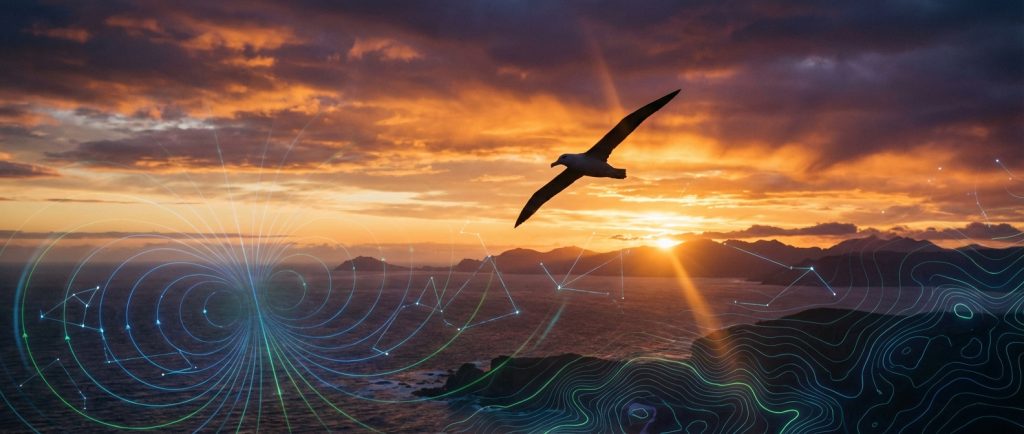
Have you ever wondered how a tiny bee finds its way back to its hive? Or how a sea turtle navigates thousands of miles across the ocean? Animals possess incredible abilities to find their way. This is known as animal navigation. It’s a complex field of study. Scientists are still uncovering its many secrets. Let’s explore the science behind these remarkable journeys.
The Innate Compass: Earth’s Magnetic Field
Many animals use Earth’s magnetic field. This is a primary tool for navigation. It acts like an invisible compass. Birds are well-known for this ability. They can sense magnetic north. This helps them during long migrations. It is thought that they have specialized cells. These cells are located in their eyes or beaks. They detect magnetic inclination and intensity. This provides a directional cue. It helps them stay on course.
Sea turtles also use magnetic navigation. They travel vast distances. They return to specific nesting beaches. This is a testament to their navigational prowess. Studies show they can sense magnetic signatures of locations. These signatures are unique. They help them pinpoint their destination. This magnetic sense is crucial for their survival. It guides them through open oceans.
Insects, too, utilize this remarkable sense. Some ants and beetles can orient themselves. They do this using the Earth’s magnetic field. This allows them to find food sources. It also helps them return to their nests. The exact mechanisms are still being researched. However, the evidence points to a magnetic sense.
Celestial Clues: Navigating by the Stars and Sun
Besides magnetism, animals use celestial bodies. The sun and stars are vital guides. Many diurnal animals use the sun. They can compensate for its movement across the sky. This is called a sun compass. It allows them to maintain a consistent direction. For instance, pigeons use the sun. They can find their way home even when released far away.
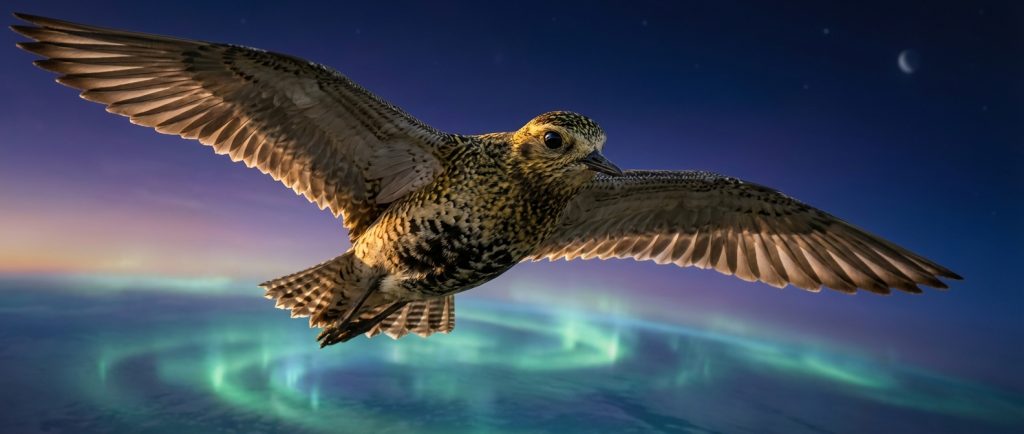
Nocturnal animals rely on stars. The patterns of stars are predictable. They offer a stable reference point. This is especially true for migratory birds. They navigate at night. They use constellations to orient themselves. The North Star is a key landmark for many. This celestial navigation is incredibly precise.
Some insects also use polarized light. This is light from the sun. It’s scattered by the atmosphere. Even when the sun is not visible, they can detect it. This provides directional information. It is a sophisticated form of navigation. It ensures they don’t get lost.
Sensory Maps: Landmarks and Olfaction
Animals also create mental maps. These maps are based on landmarks. They can be visual cues. Mountains, rivers, and coastlines are examples. Birds often memorize these features. They use them to navigate familiar routes. This is similar to how humans use landmarks.
Olfaction, or smell, is another powerful tool. Many animals have an incredible sense of smell. They can detect scents from miles away. Salmon are a classic example. They can smell their home river. They use this scent to return and spawn. This olfactory map is crucial for their life cycle.
Insects like moths use pheromones. These are chemical signals. They can detect them from a distance. This helps them find mates. It also aids in colony navigation. The sense of smell is highly developed. It plays a significant role in their lives. For more on how animals interact with their environment, you might explore the science of soundscapes and their impact on wildlife migration.
The Role of Genetics and Learning
Navigation is not solely learned. Genetics plays a significant role. Many animals have an innate drive to migrate. They are born with a general sense of direction. This is programmed into their genes. For example, young birds know when to migrate. They also know the general direction to fly.
However, learning is also important. Experienced animals refine their navigation skills. They learn from previous journeys. They adapt to changing conditions. Young animals often travel with older ones. This allows them to learn routes and cues. Over time, they develop their own expertise. This combination of instinct and learning is key.
Navigational Challenges and Adaptations
Animal navigation faces many challenges. Environmental changes can disrupt cues. Pollution can interfere with senses. For instance, light pollution can affect nocturnal navigation. Magnetic interference from human technology is also a concern.
Animals have evolved remarkable adaptations. Some species can navigate in complete darkness. Others can navigate through dense fog. Their sensory systems are highly tuned. They can pick up subtle cues. This allows them to overcome obstacles. It ensures their survival and reproduction.
The study of animal navigation is ongoing. It provides valuable insights. It helps us understand animal behavior. It also informs conservation efforts. For example, understanding migration routes helps protect habitats. Protecting these routes is vital for many species.
Common Navigation Methods Summarized
Let’s summarize the primary ways animals navigate:
- Magnetoreception: Sensing Earth’s magnetic field for direction.
- Celestial Navigation: Using the sun, moon, and stars for orientation.
- Landmark Recognition: Memorizing and using visual cues in the environment.
- Olfaction: Using sense of smell to detect scents and create scent maps.
- Echolocation: Using sound waves to map surroundings (common in bats and marine mammals).
- Polarized Light Detection: Using patterns of polarized sunlight for direction.
The Future of Navigation Research
Modern technology is revolutionizing navigation research. GPS trackers provide detailed data. Drones offer aerial perspectives. Biologging devices collect physiological information. These tools allow scientists to study navigation in unprecedented detail.
Researchers are also using genetic analysis. This helps identify genes related to navigation. It sheds light on the evolutionary basis. Understanding these mechanisms is crucial. It can help us protect migratory species. It is also fascinating from a scientific perspective. The complexity of these natural systems is astounding. If you’re interested in how different environmental factors affect life, you might find the impact of microplastics on animal endocrine systems to be a compelling read.
Frequently Asked Questions
How do young animals learn to navigate?
Young animals often learn through observation and by traveling with experienced adults. This provides them with crucial knowledge about routes, landmarks, and sensory cues.
Can animals navigate without sight?
Yes, many animals can navigate without sight. They rely on other senses like magnetoreception, olfaction, and echolocation to find their way.
What is the most common navigation method?
It varies greatly by species, but magnetoreception and celestial navigation are very common among migratory birds and insects. Olfaction is vital for many aquatic and terrestrial animals.
How do scientists study animal navigation?
Scientists use a variety of methods, including tracking devices (like GPS), observational studies, genetic analysis, and experiments that test animals’ responses to different environmental cues.
Conclusion
The science of animal navigation is a marvel. It showcases the incredible adaptations of life on Earth. From sensing magnetic fields to reading the stars, animals navigate their world with astonishing skill. These abilities are vital for their survival, reproduction, and the balance of ecosystems. As research continues, we gain deeper appreciation for these natural navigators. Their journeys remind us of the interconnectedness of life. They also highlight the importance of preserving their habitats.