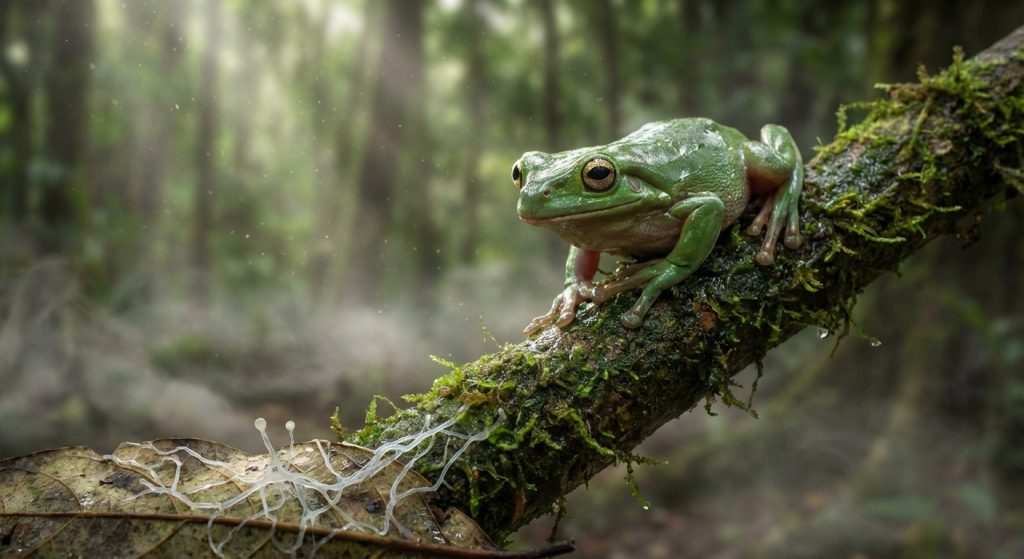
Amphibians are vanishing at an alarming rate. This global crisis threatens frogs and salamanders worldwide. A major culprit is a devastating fungal pathogen. Understanding this threat is crucial for conservation efforts. Therefore, we must explore the science behind amphibian decline.
The Global Fungal Menace
Batrachochytrium dendrobatidis (Bd) is a chytrid fungus. It causes the deadly disease chytridiomycosis. This disease affects amphibian skin. It disrupts their ability to breathe and absorb water. Consequently, infected amphibians often die.
Bd is a global threat. It has spread to every continent except Antarctica. It impacts hundreds of amphibian species. Many of these are now endangered. For example, Bd has caused massive population crashes in Central and South America. It also poses a severe risk to North American and European amphibian populations.
How the Fungus Spreads
The fungus spreads through direct contact. It can also travel via contaminated water. Human activities play a significant role. This includes the pet trade and scientific research. Furthermore, contaminated equipment can spread the spores. Therefore, biosecurity measures are vital.
The fungus thrives in cool, moist environments. This makes certain regions particularly vulnerable. It can survive on damp surfaces for extended periods. As a result, even brief contact can be devastating.
Impact on Amphibian Populations
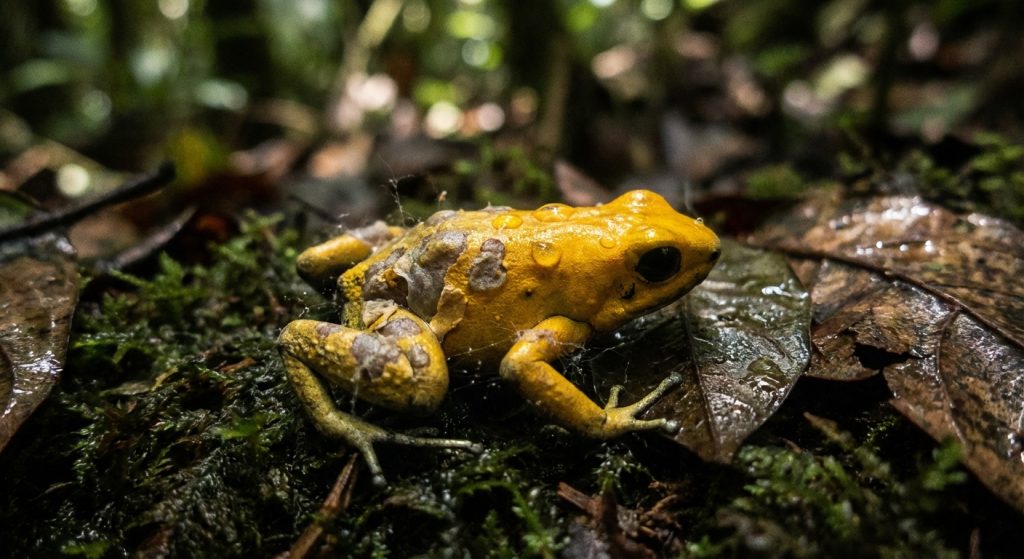
The effects of chytridiomycosis are dire. Many species have seen dramatic population declines. Some have even gone extinct. For instance, the golden toad of Costa Rica is a famous example of extinction linked to Bd. Sadly, many other species are now on the brink.
Amphibians are vital to ecosystems. They control insect populations. They also serve as a food source for other animals. Their decline has ripple effects. This disrupts entire food webs. Therefore, their loss impacts biodiversity and ecosystem health.
Why Amphibians Are So Vulnerable
Amphibians have permeable skin. This makes them highly susceptible to environmental changes. It also makes them vulnerable to pathogens like Bd. Their life cycle often involves both aquatic and terrestrial stages. This exposes them to a wider range of threats.
Their sensitivity also makes them indicator species. Their decline signals broader environmental problems. This includes pollution and climate change. Therefore, studying amphibian health offers insights into ecosystem well-being.
Conservation Efforts and Challenges
Scientists and conservationists are working hard. They are trying to understand and combat Bd. Efforts include captive breeding programs. They also involve developing disease treatments. Furthermore, researchers are studying amphibian immune responses. They hope to find resistant individuals.
However, there are significant challenges. The sheer scale of the problem is immense. Many affected areas are remote. This makes monitoring and intervention difficult. Moreover, finding effective and safe treatments for wild populations is complex. It is also hard to prevent its spread across vast distances.
Biosecurity and Prevention
Preventing the spread of Bd is paramount. Strict biosecurity protocols are essential. This applies to researchers, conservationists, and pet owners. Cleaning equipment thoroughly is key. Avoiding the release of non-native species also helps.
Education is also important. Many people are unaware of the threat. Raising public awareness can encourage responsible practices. For example, never releasing pet frogs into the wild. This simple act can introduce diseases. It can also disrupt local ecosystems.
The Role of Research and Technology
Research into Bd is ongoing. Scientists use genetic analysis to track its spread. They are also developing diagnostic tools. These help detect the fungus early. Furthermore, new technologies are emerging. These may offer novel treatment strategies. For instance, exploring the potential of AI-driven drug discovery could accelerate the development of new antifungal agents.
Understanding amphibian physiology is also key. This includes their immune systems. Research into host defense peptides in amphibians might reveal natural ways to combat fungal infections.
Looking Ahead: Hope for Amphibians
Despite the grim outlook, there is hope. Dedicated individuals are making a difference. Collaborative efforts are gaining traction. Continued research and innovation are vital. Therefore, we must support conservation initiatives.
Protecting amphibians benefits us all. They are a critical part of our planet’s biodiversity. Their survival is linked to the health of our environment. Ultimately, saving amphibians means safeguarding our own future. It is a call to action for global environmental stewardship.
Frequently Asked Questions
What is chytridiomycosis?
Chytridiomycosis is a devastating infectious disease affecting amphibians. It is caused by the chytrid fungus, Batrachochytrium dendrobatidis (Bd). The fungus infects the skin of amphibians, disrupting vital functions like respiration and hydration, often leading to death.
How does the fungus spread?
The fungus spreads through direct contact between infected and healthy amphibians. It can also be transmitted via contaminated water or soil. Human activities, such as the movement of pets, research equipment, and even contaminated footwear, are significant factors in its global dissemination.
Why are amphibians so susceptible to this fungus?
Amphibians have thin, permeable skin that is crucial for respiration and water absorption. This same characteristic makes them highly vulnerable to pathogens like Bd, which can easily penetrate and infect their skin.
What are the main conservation strategies?
Conservation strategies include strict biosecurity measures to prevent further spread, captive breeding programs for at-risk species, research into potential treatments and resistant strains, and public education to encourage responsible practices.
Can this fungus harm humans?
No, the chytrid fungus (Bd) that affects amphibians is not known to infect or harm humans. It is a pathogen specific to amphibians.