Predators: Nature’s Balancing Act for Ecosystem Health
Published on February 3, 2026 by Admin
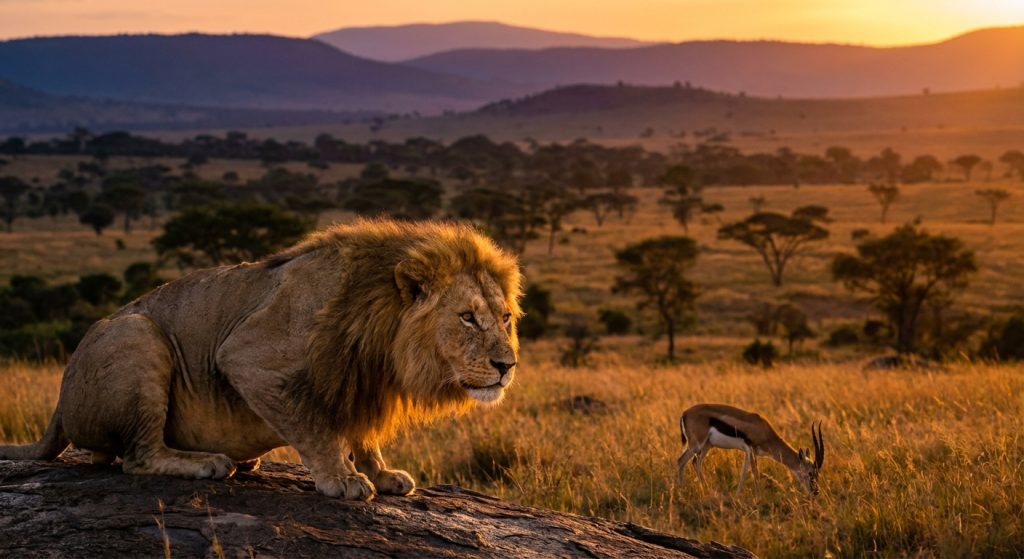
Ecosystems are intricate webs of life. Every organism plays a role. Predators are vital components of these systems. They have a complex relationship with ecosystem stability. This relationship is crucial for maintaining balance. Without predators, ecosystems can become unstable. This article explores this dynamic interaction.
The Crucial Role of Predators
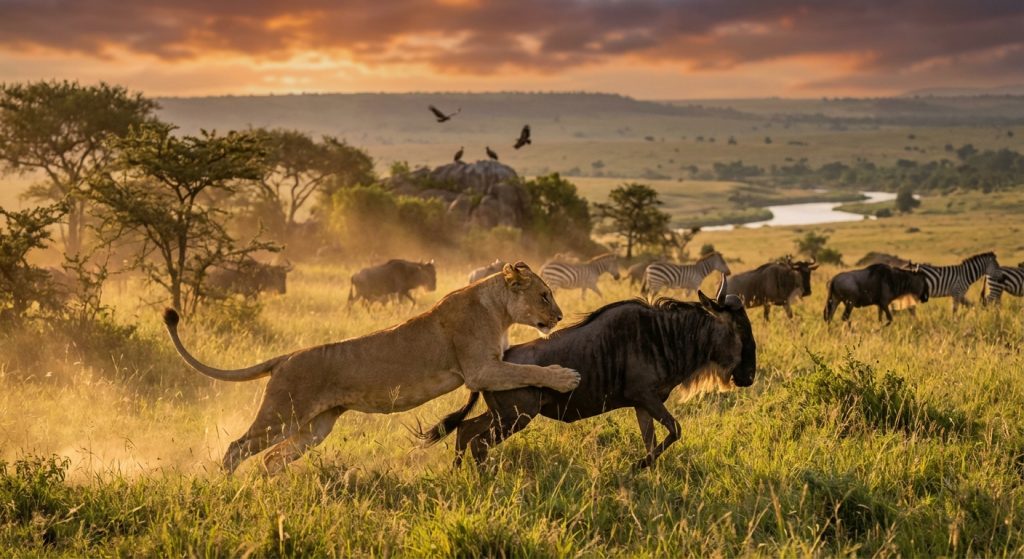
Predators are animals that hunt and kill other animals for food. They are at the top of many food chains. Their presence influences populations below them. This influence is not just about numbers. It also affects the behavior of prey species. For example, prey animals might avoid certain areas. They may also change their feeding habits.
This dynamic is known as the “ecology of fear.” It shapes how prey species interact with their environment. Ultimately, this fear can lead to healthier ecosystems. It prevents overgrazing. It also promotes biodiversity. Therefore, predators are not just hunters. They are also ecosystem engineers.
Top Predators and Trophic Cascades
Large predators, like wolves or sharks, often have a profound impact. They can trigger “trophic cascades.” A trophic cascade is an ecological process. It starts at the top of the food chain. It then moves down through the ecosystem. For instance, reintroducing wolves to Yellowstone National Park had dramatic effects.
Wolves preyed on elk. This reduced the elk population. As a result, vegetation recovered. Rivers and streams became more stable. Their banks were no longer eroded. This shows how top predators can regulate entire ecosystems. They maintain a healthy structure and function.
Similarly, sharks play a vital role in marine environments. They control populations of smaller fish. This, in turn, affects algae growth. Overfishing sharks has led to ecosystem imbalances. For example, it can cause algal blooms. These blooms harm coral reefs and other marine life. The impact of microplastics on marine life is another threat, but predator control is a fundamental ecological factor.
Predators and Biodiversity
Predators help maintain biodiversity. They prevent any single prey species from becoming too dominant. If one species overpopulates, it can outcompete others. This leads to a loss of diversity. Predators keep populations in check. This allows a wider variety of species to coexist.
Consider the impact of removing a predator. Interspecific competition increases. This can lead to the decline of weaker competitors. Biodiversity suffers. Therefore, the presence of predators is directly linked to a richer tapestry of life. Biodiversity credits are a modern concept, but the ecological principle of predator-driven diversity is ancient.
The Impact of Prey Behavior
The fear of predation influences prey behavior. Prey animals spend less time foraging. They spend more time being vigilant. This vigilance can reduce their overall food intake. However, it also makes them less vulnerable to attack. This behavioral shift has ecological consequences.
For instance, areas with high predator activity may have less grazed vegetation. This allows plants to grow more fully. It creates habitats for other species. Thus, predator presence indirectly supports other forms of life. It’s a complex, interconnected system.
Predator Decline and Ecosystem Instability
When predator populations decline, ecosystems often suffer. This can happen due to hunting, habitat loss, or disease. Without their natural checks, prey populations can explode. This overpopulation can lead to resource depletion.
For example, an increase in deer populations. They may overgraze young trees. This hinders forest regeneration. It can also impact bird populations. Fewer trees mean fewer nesting sites. The entire ecosystem structure is altered. This is why conservation efforts often focus on protecting predators. Protecting species from extinction is vital for ecosystem health. You can learn more about species saved from extinction.
Human Impact on Predator-Prey Dynamics
Human activities significantly impact predator-prey relationships. Habitat fragmentation is a major issue. It isolates predator populations. It also reduces their hunting grounds. This can lead to conflict between humans and predators. For example, farmers may lose livestock to wolves or cougars.
Furthermore, pollution affects all levels of the food web. It can weaken predators. It can also harm their prey. Understanding these impacts is crucial for conservation. We must find ways to coexist with wildlife. This includes protecting natural habitats. It also involves managing human activities responsibly. The sustainable tourism shift can help by promoting respect for wildlife.
Case Studies: Predators in Action
The Yellowstone Wolf Reintroduction
The reintroduction of wolves to Yellowstone National Park is a classic example. Before wolves, elk populations were unchecked. They overgrazed the landscape. This damaged vegetation. It also led to soil erosion. After wolves returned, the elk population decreased. Their grazing behavior also changed. They avoided risky open areas. As a result, willow and aspen trees began to grow back. This provided food and shelter for other animals. Bird populations increased. Beaver dams returned. The entire ecosystem became more resilient. It highlights the power of apex predators.
Marine Apex Predators and Food Webs
In oceans, large predatory fish and marine mammals are crucial. They control populations of their prey. This keeps the food web balanced. For instance, orcas (killer whales) influence seal and sea lion populations. Sharks regulate populations of many fish species. When these top predators are removed, the effects can be devastating. Prey species can overpopulate. They can then deplete their own food sources. This can lead to cascading collapses throughout the marine ecosystem. The health of these predators is a good indicator of ocean health.
The Balance of Nature: A Delicate Equilibrium
Ecosystems are not static. They are dynamic systems. Predators are key players in this dynamism. They help maintain a delicate equilibrium. This equilibrium allows for a wide range of life to thrive. It ensures the long-term health and resilience of the environment.
However, this balance is easily disrupted. Human actions are the primary cause of this disruption. We must understand the vital role predators play. We need to protect them. We need to conserve their habitats. Doing so is essential for the health of our planet. It is about ensuring a stable and diverse natural world for future generations.
Frequently Asked Questions (FAQ)
What is the primary role of predators in an ecosystem?
Predators primarily control prey populations. This prevents overpopulation and resource depletion. They also influence prey behavior, which can lead to habitat recovery and increased biodiversity.
How do predators contribute to biodiversity?
By keeping dominant prey species in check, predators allow a greater variety of species to coexist. This prevents one species from outcompeting others, thus supporting a richer ecosystem.
What is a trophic cascade?
A trophic cascade is an ecological process initiated by top predators. It affects the population sizes and behaviors of organisms at lower trophic levels, ultimately influencing the entire ecosystem structure and function.
What happens when predator populations decline?
When predators decline, prey populations often increase unchecked. This can lead to overgrazing, habitat degradation, and a loss of biodiversity. The overall ecosystem stability is compromised.
How do human activities impact predator-prey relationships?
Human activities like habitat destruction, pollution, and overhunting reduce predator populations and disrupt their hunting grounds. This imbalance can lead to increased human-wildlife conflict and ecosystem instability.