AI Powers Wildlife: Biometrics for Animal Tracking
Published on February 3, 2026 by Admin
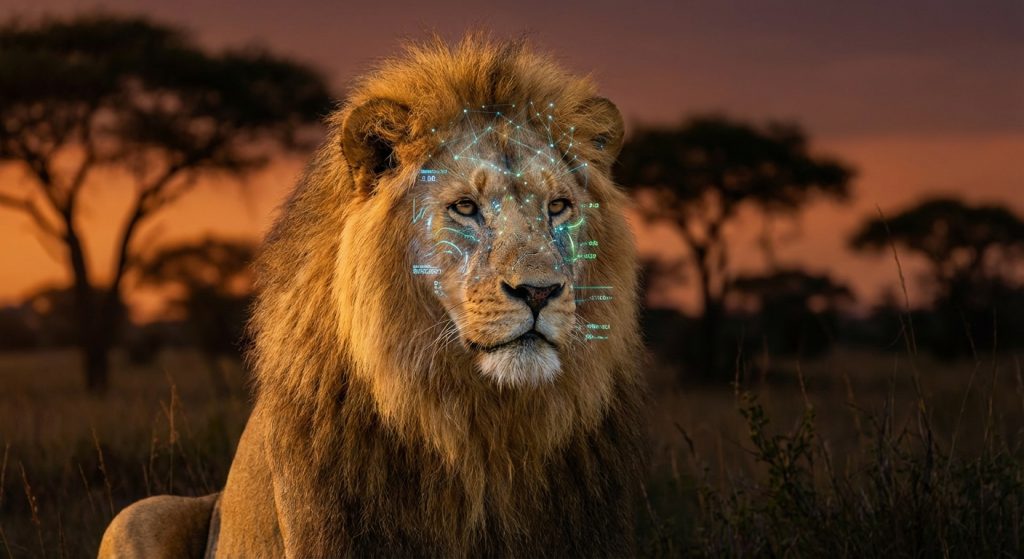
Understanding wildlife is crucial. It helps us protect endangered species. It also helps us maintain healthy ecosystems. Traditionally, tracking animals was difficult. It involved physical tagging or visual observation. These methods had limitations. They were often invasive or imprecise. However, new technologies are changing this. Artificial intelligence (AI) is now a game-changer. Specifically, biometrics combined with AI offer powerful solutions. This article explores how biometrics and AI are revolutionizing wildlife research. We will focus on tracking individual animals.
The Challenge of Wildlife Tracking
Wildlife research faces unique challenges. Animals live in vast, often inaccessible areas. They are also naturally elusive. This makes direct observation hard. Traditional methods like radio collars can be useful. However, they can impact animal behavior. They also have battery life limitations. Furthermore, identifying individual animals in a large population is complex. This is especially true for species with similar appearances. Therefore, researchers need better tools. They need non-invasive methods. They also need precise identification capabilities.
Introducing Biometrics in Wildlife Research
Biometrics are unique physical or behavioral characteristics. Think of fingerprints in humans. In animals, these can include patterns on their skin or fur. They can also include unique vocalizations or gait. For example, whale shark skin patterns are like human fingerprints. Each shark has a unique spot pattern. Similarly, tigers and zebras have distinct stripe patterns. Even the subtle nuances of an elephant’s ear shape can be unique. These individual identifiers are key. They allow researchers to track animals without direct contact.
AI’s Role in Biometric Analysis
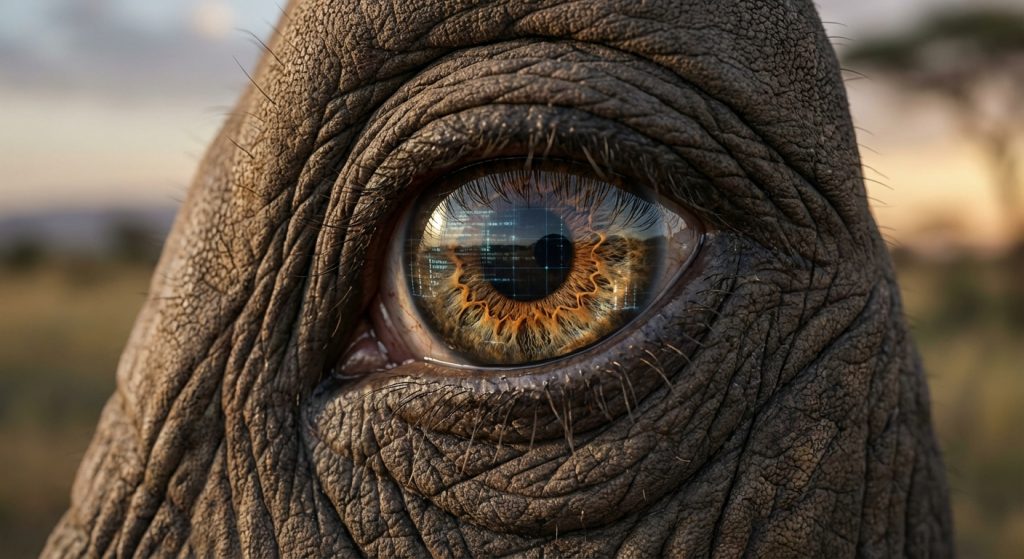
Analyzing these unique biological markers manually is time-consuming. It also requires significant expertise. This is where AI steps in. Machine learning algorithms excel at pattern recognition. They can process vast amounts of data quickly. AI can analyze images of animal markings. It can identify subtle differences. It can also analyze audio recordings of animal sounds. Furthermore, AI can learn to recognize behavioral patterns. This includes how an animal walks or moves.
Facial Recognition for Animals
Similar to human facial recognition, AI can now identify individual animals. This is particularly effective for species with distinct facial features or markings. For instance, AI models are trained on large datasets of primate faces. They can then identify individual monkeys or apes. This helps in studying social structures. It also aids in monitoring population health. Similarly, AI can analyze the unique spot patterns of big cats. It can also identify individual birds by their feather patterns.
Vocal Signature Analysis
Many animals communicate through sound. Each individual might have a unique vocal signature. AI can analyze these vocalizations. It can distinguish between individuals. For example, whale songs are complex. AI can help identify individual whales. This helps researchers understand their social interactions. It also aids in population estimates. Similarly, bird calls can be analyzed. This helps in tracking migratory patterns. It also aids in studying breeding behaviors.
Gait and Movement Analysis
How an animal walks or moves can also be unique. AI can analyze video footage. It can detect subtle differences in gait. This is useful for species that are hard to photograph. It is also helpful for animals that move quickly. For example, AI can track the movement of deer or antelopes. This helps in understanding their home ranges. It also aids in studying their social movements. This technology has potential for species like animals that navigate vast distances.
Applications in Conservation and Research
The combination of biometrics and AI has profound implications. It offers new avenues for conservation efforts. It also enhances scientific understanding of animal behavior.
Population Monitoring and Estimation
Accurate population counts are vital for conservation. AI-powered biometric analysis provides this. Researchers can identify and count individuals more effectively. This allows for better population estimates. It also helps in tracking population trends over time. For example, counting individual sea turtles on nesting beaches becomes easier. This is achieved by analyzing unique shell patterns.
Behavioral Studies and Social Dynamics
Understanding animal behavior is complex. Biometrics help identify individuals. AI helps analyze their interactions. Researchers can now study social hierarchies. They can also observe mating behaviors. Furthermore, they can track parental care. This provides unprecedented insights. It helps us understand the intricate lives of animals. This is crucial for understanding how animal minds work.
Disease Surveillance and Health Monitoring
Identifying sick or injured animals early is important. Biometric data can help. Changes in an animal’s gait or vocalizations might indicate illness. AI can detect these subtle changes. This allows for early intervention. It can also help in tracking disease outbreaks. This is crucial for species conservation. It also helps in preventing the spread of zoonotic diseases. This relates to the broader concept of One Health.
Habitat Use and Movement Patterns
Knowing where animals go is key to habitat protection. Biometric tracking provides this data. AI analyzes movement patterns. It can identify critical habitats. It can also highlight migration routes. This information is vital for land management. It helps in creating wildlife corridors. It also aids in mitigating human-wildlife conflict. For instance, tracking individual elephants helps protect their migratory paths.
Benefits of AI-Powered Biometrics
This technological advancement brings many benefits.
- Non-Invasive: It reduces the need for physical handling. This minimizes stress on animals.
- Scalability: AI can process large volumes of data. This allows for studying larger populations.
- Accuracy: Pattern recognition is often more precise than manual methods.
- Efficiency: It significantly reduces the time and effort required for tracking.
- Cost-Effectiveness: In the long run, it can be more economical than traditional methods.
Challenges and Future Directions
Despite the promise, challenges remain. Developing robust AI models requires extensive data. This data needs to be high-quality and diverse. Ethical considerations are also important. Ensuring data privacy for animals is a concern. Furthermore, the technology needs to be accessible. It must be deployable in remote field conditions. Future research will focus on refining AI algorithms. We will also see advancements in sensor technology. Wearable biosensors are becoming smaller and more sophisticated. These will further enhance our ability to track wildlife.
The Role of Citizen Science
Citizen scientists can play a role. They can help collect data. They can submit photos or sound recordings. AI can then analyze this crowd-sourced data. This democratizes wildlife research. It also increases data collection capacity. For example, people can submit photos of local wildlife. AI can identify individuals from these submissions.
Ethical Considerations in Wildlife Tracking
While non-invasive, ethical considerations persist. We must ensure technology does not disturb animals. We also need to consider data security. The information gathered can be sensitive. Therefore, responsible data management is crucial. It is important to remember the goal is conservation. The technology should serve this purpose. We must avoid any exploitation of the data. This is similar to how ethical AI implementation is vital in other fields.
Conclusion
Biometrics combined with AI represent a significant leap forward. They offer powerful new tools for wildlife research. Tracking individual animals becomes more feasible. This leads to better conservation strategies. It also deepens our understanding of the natural world. As AI technology continues to evolve, its impact on wildlife research will only grow. Therefore, embracing these advancements is essential. It is key to protecting biodiversity for future generations. This innovative approach promises a brighter future for wildlife conservation.
Frequently Asked Questions (FAQ)
What are biometrics in the context of wildlife research?
Biometrics in wildlife research refer to unique physical or behavioral characteristics of individual animals. These can include unique patterns (like stripes or spots), vocalizations, or even gait. These traits allow researchers to identify and track individual animals without needing to physically tag them.
How does AI help in tracking individual animals?
AI, particularly machine learning, excels at pattern recognition. It can analyze vast amounts of data, such as images of animal markings or audio recordings of vocalizations. AI algorithms can identify subtle differences to distinguish one individual animal from another, making tracking more efficient and accurate.
What are some examples of biometric features used for animal tracking?
Common examples include the unique spot patterns of whale sharks and jaguars, the stripe patterns of tigers and zebras, the ear shapes of elephants, and the vocal signatures of whales and birds. Even subtle differences in an animal’s gait can be used.
What are the main benefits of using AI and biometrics for wildlife research?
The main benefits include being non-invasive, allowing for the study of larger populations, increased accuracy and efficiency in tracking, and being more cost-effective in the long run compared to traditional methods.
Are there any ethical concerns with using AI for wildlife tracking?
Yes, ethical concerns include ensuring the technology does not disturb the animals and responsible management of the collected data. The primary goal must always be conservation, and the technology should not be used for exploitation.
Can citizen scientists contribute to this type of research?
Absolutely. Citizen scientists can help by submitting photos or sound recordings of wildlife. AI can then analyze this crowd-sourced data, significantly expanding the scope and reach of wildlife monitoring efforts.
“`