
Animal Camouflage: Masters of Evolutionary Disguise
Published on February 3, 2026 by Admin
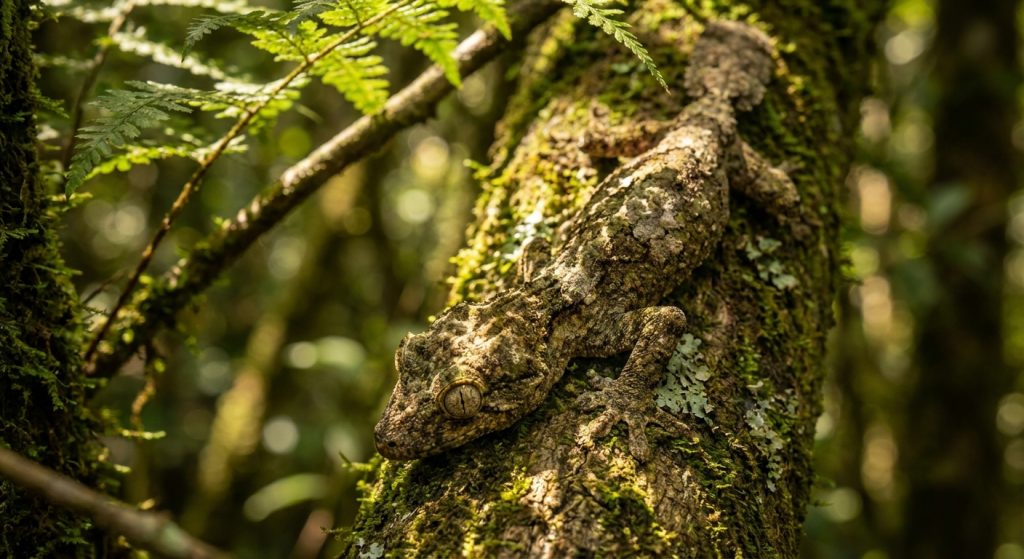
Nature is a realm of incredible adaptations. Among the most fascinating are the strategies animals use to blend into their surroundings. This is known as camouflage. It’s a powerful survival tool. Animals use it to hide from predators. They also use it to ambush prey. This article explores the science behind animal camouflage. It highlights how evolution has shaped these masters of disguise.
The Evolutionary Advantage of Disguise
Camouflage is not just about looking alike. It’s a complex interplay of biology and environment. It has evolved over millions of years. Animals that are better camouflaged survive longer. They also reproduce more successfully. This passes on their advantageous traits. Therefore, camouflage is a prime example of natural selection in action. It ensures the survival of the fittest.
Consider the vibrant patterns of a coral reef. Fish there often have intricate designs. These patterns mimic the colorful corals and sponges. This allows them to disappear into the visual chaos. Without this disguise, they would be easy targets for predators. Thus, camouflage directly impacts an animal’s ability to thrive.
Types of Camouflage
Animal camouflage takes many forms. Each type serves a specific purpose. Understanding these types reveals the ingenuity of nature.
1. Coloration and Pattern Matching
This is the most common form of camouflage. Animals possess colors and patterns that match their habitat. For instance, a snowshoe hare’s fur turns white in winter. It matches the snowy landscape. This provides excellent protection from predators like foxes. Then, in summer, its fur turns brown to blend with the earth.
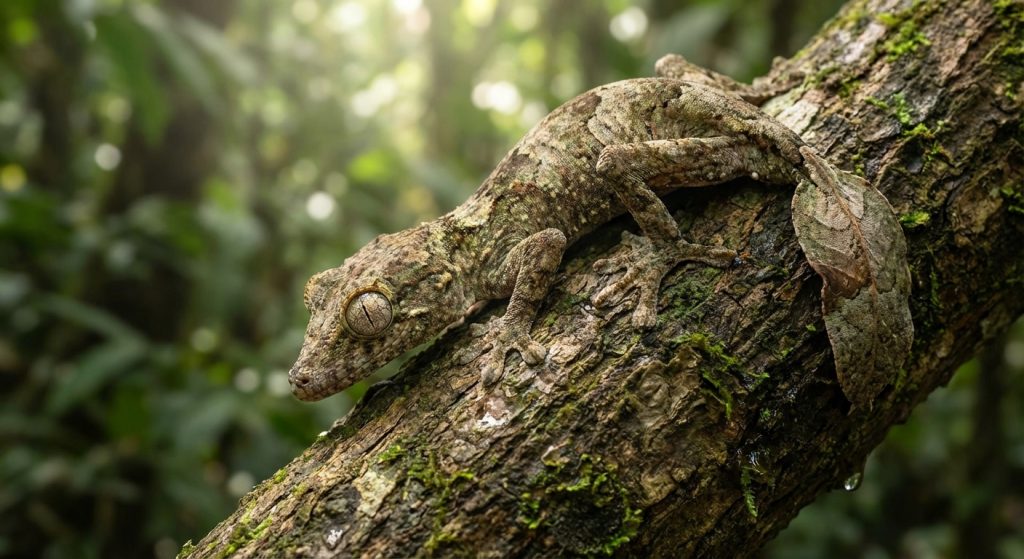
Similarly, many insects mimic leaves or twigs. A leaf-tailed gecko looks exactly like a dead leaf. It even has a flattened tail to enhance the illusion. This remarkable mimicry makes it nearly invisible to birds and other predators. The study of reptile coloration often reveals its dual role in camouflage and communication.
2. Disruptive Coloration
This type of camouflage breaks up an animal’s outline. Bold patterns confuse the eye. They make it hard to discern the animal’s shape. Think of a zebra’s stripes. When a herd moves together, the stripes create a confusing visual effect. This makes it difficult for a lion to single out an individual. It’s a form of group camouflage.
Many fish also exhibit disruptive coloration. Their spots and bands disrupt their body shape. This helps them hide in dappled light or among vegetation. As a result, predators struggle to lock onto a single target.
3. Mimicry
Mimicry involves resembling something else. This can be another animal or an inanimate object. The viceroy butterfly, for example, mimics the monarch butterfly. Monarchs are poisonous. Predators avoid them. The viceroy, though not poisonous, benefits from this learned avoidance. This is Batesian mimicry.
Other animals mimic their environment so well they become virtually invisible. The stick insect is a prime example. It looks precisely like a twig. It even sways gently in the breeze to enhance the effect. This makes it incredibly difficult for birds to spot.
4. Countershading
Countershading is common in aquatic animals. It involves having a darker top side and a lighter underside. This helps to counteract the effect of light. For example, sharks and dolphins have dark backs and light bellies. When viewed from above, their dark backs blend with the dark ocean depths. When viewed from below, their light bellies blend with the bright surface water.
This creates a flattened appearance. It makes them harder to detect from any angle. Therefore, countershading is a crucial adaptation for both predators and prey in the water.
5. Active Camouflage
Some animals can change their color or pattern. This is called active camouflage. Cephalopods like octopuses and cuttlefish are masters of this. They have specialized cells called chromatophores. These cells can expand or contract. This allows them to change their skin color and texture rapidly. They can match their surroundings almost perfectly.
This ability is not limited to the ocean. Chameleons are famous for their color-changing abilities. They use it for camouflage, but also for communication and regulating body temperature. Thus, active camouflage offers unparalleled flexibility in blending in.
Camouflage in Different Environments
The effectiveness of camouflage depends heavily on the environment. What works in a forest might not work in a desert.
Forests and Jungles
These environments are rich in varied colors and textures. Animals here often have mottled or striped patterns. These mimic dappled sunlight filtering through leaves. The jaguar’s rosettes are a perfect example. They help it blend into the forest undergrowth. Many insects also mimic leaves and bark. This provides excellent cover.
Deserts
Desert animals often have sandy or earthy tones. This allows them to blend with the arid landscape. The fennec fox, for instance, has pale fur that matches the desert sand. Lizards and snakes in the desert also have coloration that mimics rocks and soil. This is vital for avoiding predators in the open terrain.
Arctic and Antarctic Regions
In snowy environments, white is the dominant camouflage color. Polar bears have white fur. This makes them nearly invisible against the snow and ice. Arctic foxes and ptarmigans also turn white in winter. This adaptation is crucial for survival in these harsh, monochromatic landscapes.
Oceans and Aquatic Environments
The ocean offers unique challenges and opportunities for camouflage. Countershading is prevalent. Many fish also have transparent bodies. This makes them difficult to see in the water. Some deep-sea creatures even use bioluminescence. They can create their own light to attract prey or startle predators. The exploration of deep-sea biodiversity continues to reveal astonishing adaptations.
Beyond Survival: Camouflage and Communication
While camouflage is primarily about survival, it can also play a role in communication. For example, some animals change color to signal their mood or readiness to mate. The changes might be subtle. They might occur only when another individual is present. This adds another layer to the complex science of animal coloration.
The Science of Perception
Camouflage works by tricking the visual systems of predators or prey. Different animals have different visual capabilities. Therefore, camouflage is relative. What works for one predator might not work for another. For instance, some birds can see ultraviolet light. This can make certain patterns visible that are invisible to humans. This is why understanding animal vision is crucial to understanding camouflage.
The development of advanced imaging techniques allows us to study these adaptations in more detail. For example, advanced veterinary imaging helps researchers understand the physical structures that enable these disguises.
Camouflage and the Future
The study of animal camouflage continues to inspire human innovation. Researchers are looking at how animals achieve their camouflage. They hope to replicate these strategies. This could lead to new technologies. Examples include advanced military uniforms or adaptive camouflage for vehicles. The natural world is a constant source of brilliant design. It offers solutions to complex problems.
Frequently Asked Questions
What is the primary purpose of animal camouflage?
The primary purpose of animal camouflage is survival. It helps animals hide from predators and ambush prey. This increases their chances of living to reproduce.
Can all animals camouflage themselves?
No, not all animals can camouflage themselves. Camouflage is a specific adaptation. Many animals rely on other survival strategies like speed, strength, or living in groups.
Is camouflage only about color?
No, camouflage is more than just color. It also involves patterns, shape, texture, and even behavior. Some animals can actively change their appearance.
How does disruptive coloration work?
Disruptive coloration uses bold patterns to break up an animal’s outline. This makes it difficult for predators to recognize its shape. For instance, zebra stripes confuse predators in a herd.
What is active camouflage?
Active camouflage is the ability of an animal to change its color or pattern in real-time. Cephalopods like octopuses and chameleons are famous examples. They can match their surroundings instantly.
Conclusion
Animal camouflage is a testament to the power of evolution. It showcases nature’s incredible creativity. From the subtle blending of a moth on bark to the dynamic color changes of an octopus, these adaptations are vital for survival. They demonstrate how life has mastered the art of disguise. Studying these masters of deception not only deepens our appreciation for the natural world but also offers valuable insights for human innovation. The science behind camouflage is a continuous source of wonder and discovery.
