
Ocean’s Silence Shattered: Noise Pollution’s Toll
Published on February 3, 2026 by Admin
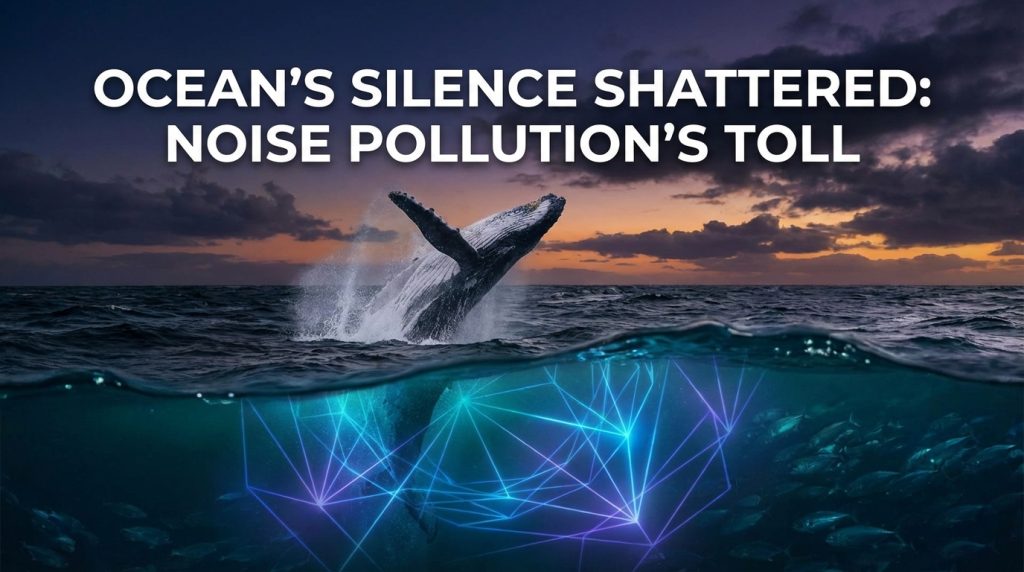
The ocean is a symphony of sounds. Whales sing complex songs. Dolphins use clicks and whistles to communicate. Fish find their way using subtle cues. However, human activities are drowning out this natural soundscape. This noise pollution is having a devastating impact on marine life. It’s causing stress, communication breakdown, and even hearing loss.
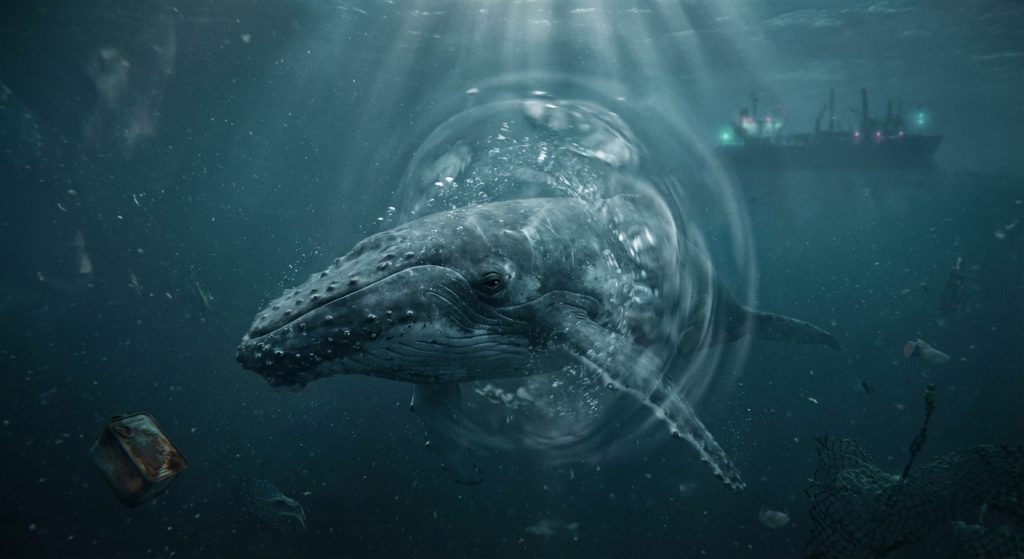
In this article, we will explore the sources of this underwater noise. We will also discuss its profound effects on marine creatures. Finally, we will look at potential solutions to protect these vulnerable ecosystems.
The Cacophony Beneath the Waves
Underwater noise pollution comes from many sources. These include military sonar, commercial shipping, and seismic surveys. Each contributes to a growing cacophony. This constant barrage of sound disrupts the delicate balance of marine life.
Sonar’s Sonic Assault
Military sonar systems are particularly powerful. They emit intense sound waves. These waves can travel for hundreds of miles. For marine mammals like whales and dolphins, sonar can be incredibly harmful. Studies have shown a direct link between sonar use and mass strandings. The loud noises can cause physiological distress. This distress can lead to disorientation and even death.
For example, some whales exhibit unusual diving behaviors when exposed to sonar. This can lead to decompression sickness, similar to what divers experience. Therefore, understanding the impact of sonar is crucial for conservation efforts. It’s a stark reminder of how our technology affects the natural world. The science of animal migration is particularly sensitive to such disturbances.
The Endless Drone of Shipping
Commercial ships are another major contributor to ocean noise. Their engines and propellers create continuous low-frequency sounds. This noise is pervasive. It masks the natural sounds that marine animals rely on for survival. For instance, whales use sound to find food, mates, and navigate. Shipping noise makes these essential tasks much harder.
The constant hum of vessels can also increase stress levels in marine animals. This chronic stress can weaken their immune systems. Consequently, they become more susceptible to diseases. The International Maritime Organization is working on guidelines to reduce shipping noise. However, more action is needed to mitigate this widespread problem.
Seismic Surveys and Industrial Activity
Exploration for oil and gas involves seismic surveys. These use air guns to create powerful underwater explosions. These blasts are extremely loud. They can cause physical injury to marine life. They can also disrupt feeding and breeding patterns. Industrial activities, like construction and dredging, add to the noise burden.
These activities can alter marine habitats. They can also displace species from important feeding grounds. Therefore, careful planning and mitigation strategies are vital. We must consider the environmental impact before commencing such projects.
The Impact on Marine Life
The effects of underwater noise pollution are far-reaching. They impact various aspects of marine animals’ lives.
Communication Breakdown
Sound is the primary sense for many marine animals. It is how they communicate, find prey, and avoid predators. Loud human-generated noises interfere with these vital signals. Whales may struggle to hear their calves. Dolphins may not detect approaching threats. This communication breakdown can have severe consequences for individual survival and population health.
For example, the masking effect of noise means that an animal’s calls might not be heard by others. This can lead to social isolation or failed mating attempts. It is a silent crisis affecting entire species. This is similar to how noise pollution affects wildlife migration on land.
Hearing Loss and Physiological Stress
Prolonged exposure to intense noise can cause temporary or permanent hearing loss in marine animals. This is known as noise-induced hearing loss. It severely impairs their ability to navigate, forage, and socialize. Furthermore, the constant stress from noise pollution can lead to elevated hormone levels. This can negatively affect their growth, reproduction, and immune function.
The physical effects can be severe. Some animals exhibit fleeing behavior. Others may become lethargic. Both responses can be detrimental to their survival. It is akin to experiencing chronic anxiety in humans. The long-term health consequences are still being studied.
Behavioral Changes and Habitat Disruption
Marine animals often change their behavior to avoid noisy areas. This can mean abandoning important feeding grounds or breeding sites. Consequently, these displacements can lead to reduced food availability and reproductive success. The cumulative effect of noise pollution can alter entire marine ecosystems.
For instance, some fish species may avoid noisy reefs. This can impact the health of the coral reef ecosystem. It highlights how interconnected marine life is. Protecting one aspect often protects others. This is why understanding marine ecosystem restoration is so important.
Species Most at Risk
Certain marine species are more vulnerable to noise pollution than others.
- Whales and Dolphins (Cetaceans): These animals rely heavily on sound for all aspects of their lives. Their complex vocalizations and acute hearing make them highly susceptible.
- Seabirds: While not fully aquatic, seabirds are affected by underwater noise when foraging. It can disrupt their ability to detect prey.
- Fish: Many fish species use sound for communication, predator avoidance, and navigation. Noise can interfere with their schooling behavior and breeding success.
- Invertebrates: Even seemingly simple creatures like crabs and lobsters can be affected. Noise can disrupt their development and behavior.
Indeed, the impact extends to the entire food web. Disruptions at one level can cascade through the ecosystem. This emphasizes the interconnectedness of marine life.
Finding Solutions and Mitigation Strategies
Addressing underwater noise pollution requires a multi-faceted approach.
Quieter Technologies and Practices
Developing quieter ship engines and propellers is essential. Implementing new hull designs can also reduce noise. Furthermore, optimizing shipping routes to avoid sensitive marine habitats is crucial. The industry is slowly adopting quieter technologies. However, widespread implementation is needed.
Regulation and Policy
Governments and international bodies must implement stricter regulations on underwater noise. This includes setting limits on noise levels for shipping, sonar, and seismic surveys. Establishing marine protected areas where noise is strictly controlled can also help. For example, restricting certain activities in critical whale breeding grounds is vital. Policy changes are a powerful tool for conservation.
Technological Innovations
Research into noise reduction technologies is ongoing. This includes developing advanced sonar systems that are less harmful. It also involves creating better methods for monitoring underwater noise levels. Innovations in ocean conservation technology are vital for addressing these challenges.
Awareness and Education
Raising public awareness about the impact of noise pollution is crucial. Educating industries and policymakers about the problem can drive change. Informed citizens can advocate for stronger protections for marine life. Understanding the issue is the first step toward solving it.
Conclusion
The increasing noise levels in our oceans pose a significant threat to marine life. From the powerful blasts of sonar to the constant drone of shipping, human activities are disrupting a vital natural soundscape. This noise pollution leads to communication breakdown, hearing loss, and physiological stress, impacting the survival and well-being of countless species. As stewards of this planet, it is our responsibility to mitigate this silent crisis. By adopting quieter technologies, implementing stronger regulations, and fostering greater awareness, we can work towards restoring the ocean’s natural symphony and protecting its inhabitants for future generations. The health of our oceans is intrinsically linked to the health of our planet.
Frequently Asked Questions
What are the main sources of underwater noise pollution?
The main sources include military sonar, commercial shipping, seismic surveys for oil and gas exploration, and industrial activities like construction and dredging. These activities generate intense and pervasive sounds that disrupt marine ecosystems.
How does sonar affect marine animals?
Military sonar emits powerful sound waves that can cause physiological distress, disorientation, and even death in marine mammals. It has been linked to mass strandings and unusual behavioral changes, such as rapid ascents that can lead to decompression sickness.
Why is shipping noise particularly problematic?
Commercial ships create continuous low-frequency noise that masks natural ocean sounds. This makes it difficult for marine animals to communicate, find food, navigate, and avoid predators. It also increases their stress levels and weakens their immune systems.
Can marine animals experience hearing loss from noise?
Yes, prolonged exposure to loud underwater noise can cause temporary or permanent noise-induced hearing loss in marine animals. This significantly impairs their ability to function and survive.
What can be done to reduce underwater noise pollution?
Solutions include developing quieter ship technologies, optimizing shipping routes, implementing stricter regulations on noise-generating activities, establishing noise-restricted marine protected areas, and promoting public awareness about the issue.
