Drone Monitoring: The Future of Livestock Health
Published on February 4, 2026 by Admin
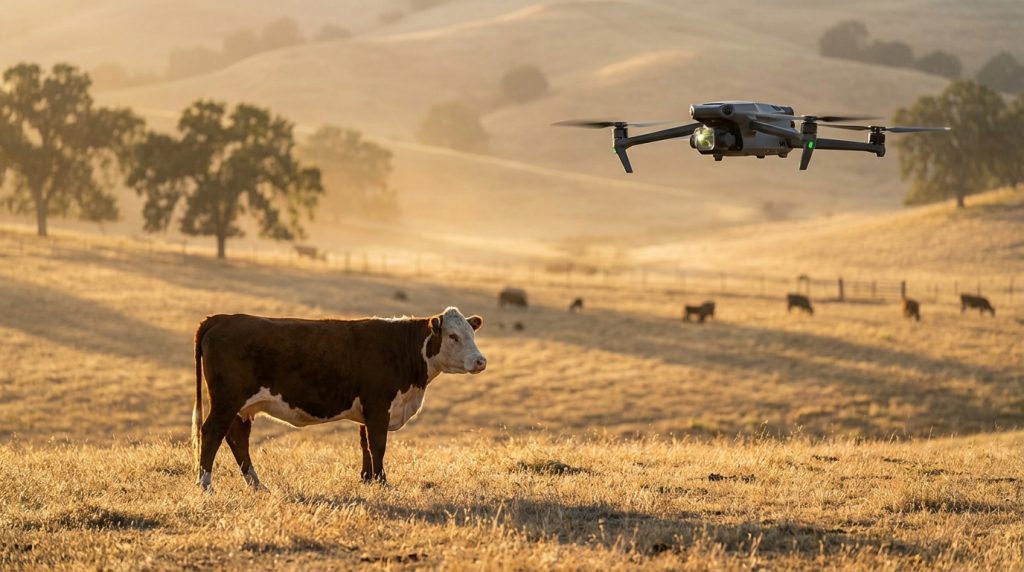
The agricultural sector is rapidly evolving. Technology plays a key role. Drones are now transforming livestock management. They offer unprecedented ways to monitor animal health. This technology promises significant benefits. It can improve efficiency and welfare. Let’s explore this exciting future.
Revolutionizing Farm Management with Drones
Traditional livestock monitoring has limitations. It is often labor-intensive. It can be difficult to cover large areas. Drones offer a new solution. They provide aerial views of herds. This allows for quick assessments. Farmers can spot issues early. Drones can cover vast pastures quickly. This saves time and resources. Therefore, they are becoming indispensable tools.
Furthermore, drones can carry various sensors. These sensors gather critical data. This data helps in understanding herd behavior. It also aids in detecting health anomalies. As a result, proactive interventions become possible.
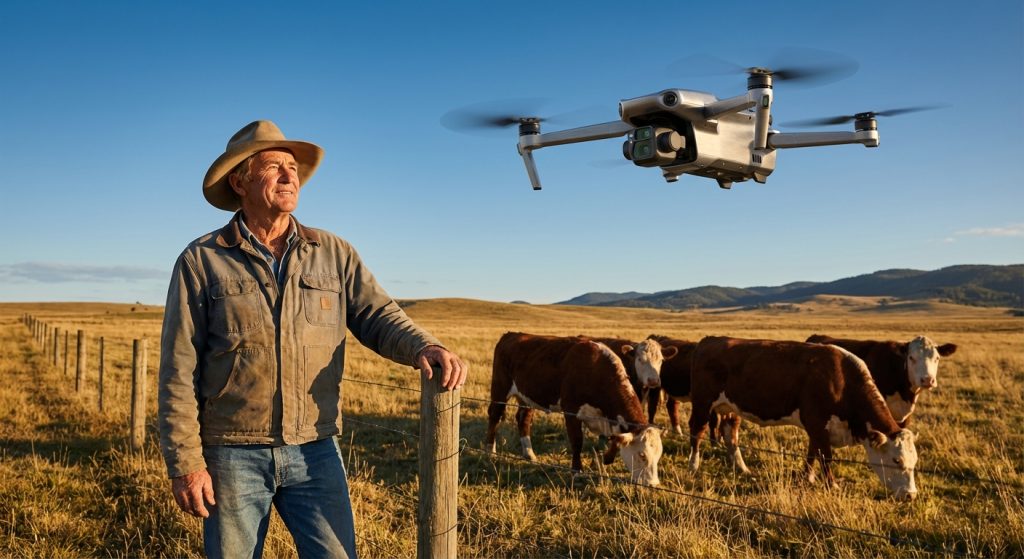
Key Applications of Drone Technology in Livestock Health
Drones offer several practical applications. They are not just for surveillance. They can actively contribute to health management. Here are some key uses:
Early Disease Detection
Drones equipped with thermal cameras can detect elevated temperatures. This is an early sign of illness. For example, a sick animal might show a different thermal signature. This allows for prompt isolation. Thus, preventing disease spread is easier.
Moreover, other sensors can detect changes in behavior. Animals might move differently when unwell. Drones can observe these subtle shifts. This is crucial for early intervention. It is a significant step towards preventive care.
Monitoring Grazing Patterns and Nutrition
Drones can map grazing areas. They can also monitor how animals utilize pastures. This helps in optimizing feed distribution. It ensures animals receive adequate nutrition. Poor nutrition weakens the immune system. Therefore, monitoring this is vital.
Additionally, drones can assess pasture quality. They can identify areas lacking nutrients. This information guides land management practices. Consequently, it leads to healthier animals.
Behavioral Analysis
Understanding herd dynamics is important. Drones can observe social interactions. They can identify stress levels within the herd. For instance, unusual agitation might signal a problem. This detailed observation is difficult from the ground.
Furthermore, these observations can inform management decisions. They help create a more harmonious environment. This leads to reduced stress. Reduced stress contributes to better health. It is a key aspect of herd dynamics.
Location and Welfare Monitoring
Drones can locate lost or injured animals quickly. This is especially useful in large or rugged terrain. Immediate attention can be given to animals in distress. This directly improves animal welfare. It also reduces potential losses for farmers.
In addition, drones can monitor water sources. They ensure animals have access to fresh water. This is fundamental for their health. Dehydration can lead to serious issues.
Technological Advancements Driving Drone Adoption
Several technological advancements are making drone monitoring more feasible. These include:
- Sensor Technology: High-resolution cameras, thermal sensors, and even gas sensors are becoming more sophisticated.
- Battery Life: Longer flight times allow for more extensive monitoring sessions.
- AI and Machine Learning: Drones can now use AI to analyze data. They can identify anomalies automatically. This reduces the need for constant human oversight.
- Autonomous Flight: Drones can be programmed for autonomous missions. They can fly pre-defined routes without manual control.
These advancements are making drones more powerful. They are also making them more accessible to farmers. As a result, adoption rates are increasing.
Benefits of Drone-Based Livestock Health Management
The advantages of using drones are numerous. They extend beyond just efficiency. They impact animal welfare and farm profitability.
Improved Animal Welfare
Early detection of illness is paramount. It allows for timely treatment. This reduces suffering. It also prevents potential fatalities. Monitoring behavior helps identify stress triggers. Farmers can then mitigate these stressors. This leads to a better quality of life for animals.
Increased Efficiency and Productivity
Automated monitoring saves significant time. Farmers can focus on other critical tasks. Quick identification of issues reduces losses. Optimized grazing management leads to better yields. Therefore, overall farm productivity increases.
Cost Reduction
While there is an initial investment, drones can reduce long-term costs. Fewer veterinary visits might be needed for routine checks. Reduced animal losses also mean less financial strain. Furthermore, optimized resource use can lower operational expenses.
Data-Driven Decision Making
Drones provide valuable data. This data helps farmers make informed decisions. They can track trends over time. They can identify patterns in herd health. This shift towards data-driven farming is crucial for modern agriculture.
Challenges and Considerations
Despite the immense potential, challenges exist. Addressing these is important for widespread adoption.
Regulatory Hurdles
Drone operation is subject to regulations. These vary by region. Farmers need to be aware of airspace restrictions. Obtaining necessary permits can be complex. Therefore, understanding these rules is essential.
Cost of Investment
High-quality drones with advanced sensors can be expensive. This might be a barrier for smallholder farmers. However, costs are decreasing. Shared ownership models or leasing options could be solutions.
Technical Expertise
Operating drones and interpreting data requires some technical skill. Training and support are necessary for farmers. User-friendly interfaces are also crucial. As technology advances, it becomes more intuitive.
Data Security and Privacy
The data collected by drones is sensitive. Ensuring its security and privacy is vital. Farmers need assurance that their data is protected. Robust data management protocols are necessary.
The Future of Livestock Management is Here
Drones are not just a futuristic concept. They are actively shaping the present of livestock management. Their ability to provide real-time, comprehensive data is transformative. This technology allows for a more proactive approach. It shifts focus from reactive treatment to preventive care. This is essential for sustainable and ethical farming practices.
The integration of AI with drone technology is particularly exciting. This combination can automate complex analyses. It can predict potential health issues before they manifest. This synergy promises even greater advancements. It will lead to healthier animals and more efficient farms.
As technology continues to develop, we can expect more innovative applications. Drones will likely become standard tools on farms worldwide. They will play a crucial role in ensuring food security and animal welfare. This is a significant step forward for agriculture. It aligns with the growing demand for responsible and sustainable food production.
Frequently Asked Questions (FAQ)
What types of sensors are commonly used on livestock monitoring drones?
Drones for livestock monitoring often use high-resolution visual cameras for general observation. Thermal cameras are crucial for detecting body temperature variations, which can indicate illness or stress. Additionally, some drones may be equipped with multispectral sensors to assess pasture health and nutritional content.
How do drones help in preventing the spread of diseases on a farm?
Drones enable early detection of sick animals through thermal imaging and behavioral analysis. Once identified, these animals can be quickly isolated from the herd. This proactive measure significantly reduces the risk of contagious diseases spreading throughout the livestock population.
Are there any environmental concerns associated with using drones for livestock monitoring?
Generally, drones have a low environmental impact compared to traditional methods. They use electricity, which can be sourced from renewable energy. Their operation is typically quiet and non-disruptive to wildlife. However, responsible operation, avoiding sensitive areas, and proper disposal of batteries are important.
Can drones help monitor individual animal health, or just herd health?
Advanced drones with high-resolution cameras and AI-powered analytics can track individual animals within a herd. They can identify specific animals based on unique markings or tags. This allows for personalized health monitoring and targeted interventions when necessary.
What is the typical lifespan of a professional livestock monitoring drone?
The lifespan of a professional drone can vary. It depends on the quality of the drone, usage frequency, and maintenance. Generally, a well-maintained drone can last anywhere from 3 to 7 years. Regular software updates and component checks are important for longevity.