Nature’s Clean-Up Crew: Vultures and Ecosystem Hygiene
Published on February 4, 2026 by Admin
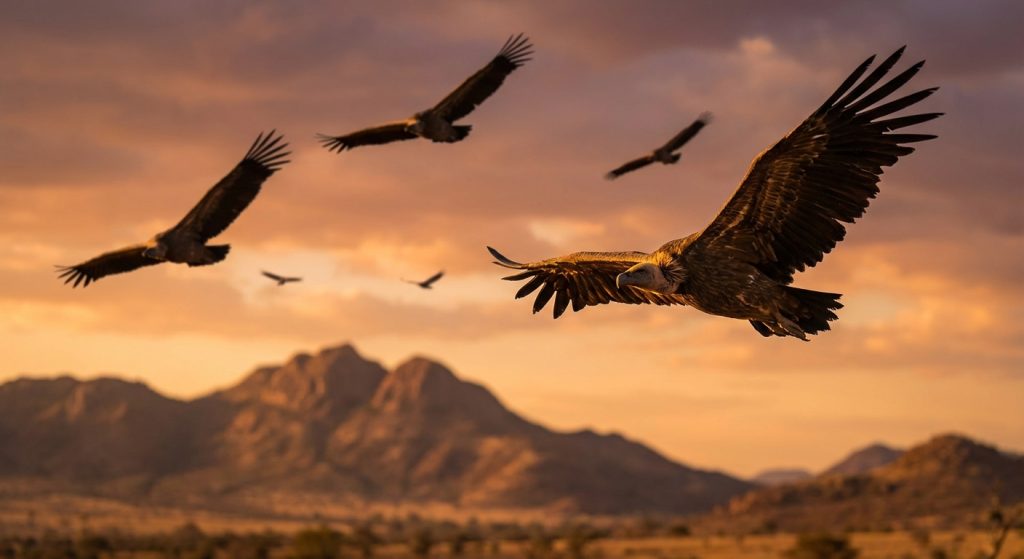
Our planet’s ecosystems are intricate systems. They rely on many organisms to function. Some are highly visible, like large predators. Others are less so, yet equally vital. Vultures and other scavengers fall into this latter category. They play an essential, yet often overlooked, role. This role is maintaining ecosystem hygiene. Without them, our natural world would be a very different, and much dirtier, place. Therefore, understanding their importance is crucial.
The Unsung Heroes of Decomposition
Scavengers are animals that consume dead organic material. This material is often carrion. Vultures are perhaps the most famous scavengers. However, many other animals also perform this duty. This includes insects like beetles and flies. Mammals like coyotes and jackals also scavenge. They all contribute to cleaning up the environment. They do this by consuming carcasses. This process is vital for preventing disease spread. It also recycles valuable nutrients back into the soil. Thus, their work is foundational for ecosystem health.
Why Carcasses Matter
When an animal dies, its carcass becomes a potential hazard. It can harbor pathogens. These pathogens can easily spread to other animals. This can lead to widespread disease outbreaks. Imagine a world without scavengers. Dead animals would litter the landscape. Disease would spread unchecked. This would destabilize ecosystems. It would also pose risks to human health. Therefore, the rapid removal of carcasses is essential. This is where scavengers excel.
Vultures, in particular, have evolved unique adaptations. These adaptations make them perfect for this role. They have powerful digestive systems. These systems can neutralize many harmful bacteria. For example, their stomach acid is highly corrosive. It can kill pathogens that would harm other animals. This is a critical defense mechanism. It ensures they do not spread disease themselves.
Vultures: Masters of the Skies and the Carcass
Vultures are often depicted negatively. They are sometimes seen as symbols of death. However, their ecological role is one of life and renewal. They are nature’s ultimate clean-up crew. Their presence indicates a healthy ecosystem. It means there is a food source for them. This food source is dead animals.
Specialized Adaptations for Scavenging
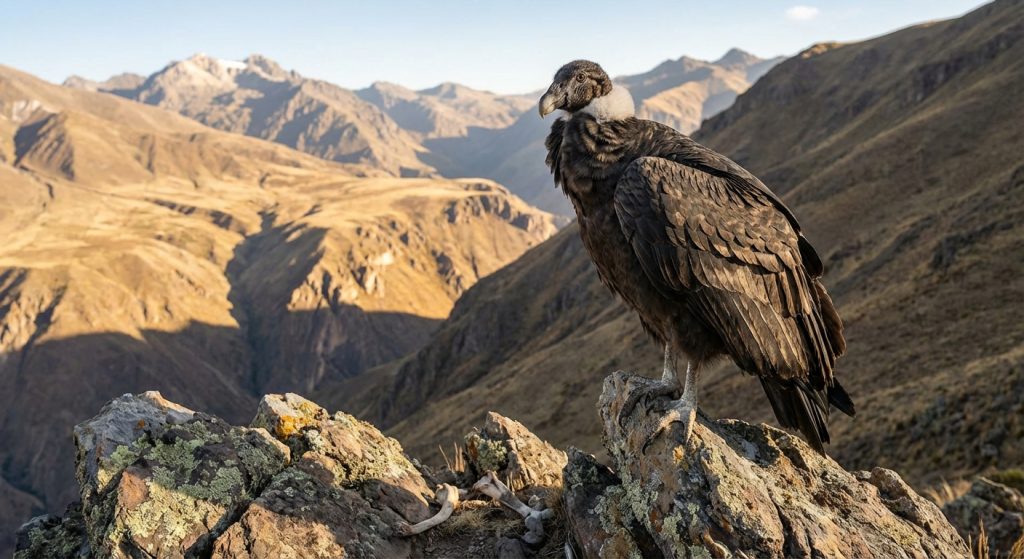
Vultures possess several remarkable adaptations. Firstly, they have excellent eyesight. This allows them to spot carcasses from great heights. Some species can see a dead animal from miles away. Secondly, their beaks are strong and hooked. This helps them tear through tough hides and flesh. Thirdly, their bald heads and necks are hygienic. They prevent feathers from becoming soiled with blood and gore. This reduces the risk of infection. It also makes cleaning easier.
Furthermore, many vulture species are social. They often gather at a carcass. This allows for efficient consumption. It ensures that large amounts of decaying matter are removed quickly. This collective effort amplifies their positive impact on hygiene. It also means that other scavengers get a chance to feed.
Beyond Vultures: The Broader Scavenger Community
While vultures are prominent, they are not alone. A diverse array of organisms participates in scavenging. Insects play a significant role, especially in the early stages of decomposition. Carrion beetles, for instance, are incredibly efficient. They can quickly consume soft tissues. Flies lay eggs that hatch into maggots. These maggots are voracious eaters. They help break down the carcass rapidly. This process also aerates the soil.
Many mammals also contribute. Coyotes, foxes, and even some rodents will feed on carrion. Their presence helps in reducing the size of carcasses. This makes them easier for smaller organisms to process. In marine environments, crabs, fish, and sea stars are crucial scavengers. They keep the seafloor clean. They consume deceased marine life. This prevents the buildup of decaying matter.
The Ecological Impact of Scavenger Decline
Unfortunately, many scavenger populations are declining worldwide. This is due to habitat loss, poisoning, and direct persecution. The decline of these vital species has serious consequences. It disrupts natural processes. It can lead to an increase in disease. For example, the decline of vultures in India led to a rise in feral dog populations. These dogs then became vectors for rabies. This posed a significant threat to human health. This clearly illustrates the cascading effects of losing scavengers.
Habitat fragmentation also plays a role. When habitats are broken up, scavengers may struggle to find food. They may also face increased risks from human activities. Protecting these species is therefore not just about conservation. It is about maintaining the health and stability of entire ecosystems. It is also about safeguarding public health. You can learn more about the impact of habitat fragmentation on wildlife in our article on habitat fragmentation.
Scavengers and Nutrient Cycling
Scavenging is not just about waste removal. It is also a critical part of nutrient cycling. When scavengers consume carcasses, they ingest nutrients. These nutrients are then redistributed through their waste. They also release nutrients back into the environment upon their death. This process helps to return essential elements to the soil. This enriches the soil. It supports plant growth. This, in turn, supports herbivores. Thus, scavengers are integral to the food web. They create a continuous loop of life and renewal.
Think of it as nature’s recycling program. Without it, nutrients would remain locked up in dead organic matter. This would limit the productivity of the ecosystem. Scavengers unlock these nutrients. They make them available for new life. This is a fundamental ecological service. It underpins the health of many terrestrial and aquatic environments.
Threats to Scavenger Populations
Several factors threaten scavenger populations globally. One major threat is accidental poisoning. This often occurs when poisons are used to target other animals, like predators. Scavengers consume the poisoned carcasses. This leads to mass die-offs. Another significant threat is habitat loss and degradation. As human populations expand, natural habitats shrink. This reduces the availability of food and nesting sites for scavengers.
Furthermore, direct persecution and hunting can decimate populations. Some cultures may view scavengers negatively. This can lead to intentional harm. The introduction of diseases can also impact scavenger health. For instance, avian diseases can affect vulture populations. Addressing these threats requires multifaceted approaches. These include education, policy changes, and habitat conservation efforts. The work on conservation successes highlights how species can be saved with dedicated efforts.
Maintaining Ecosystem Hygiene: A Collective Effort
The role of vultures and other scavengers in maintaining ecosystem hygiene cannot be overstated. They are natural sanitizers. They prevent disease spread. They recycle vital nutrients. They are a testament to the efficiency of natural systems. Their work ensures that ecosystems remain healthy and resilient. It is a delicate balance. Disturbing this balance has far-reaching consequences.
Protecting these animals is an investment in our planet’s health. It is also an investment in our own well-being. As we learn more about the interconnectedness of life, our appreciation for these often-maligned creatures grows. They are not just birds of prey; they are guardians of a clean and healthy environment. Therefore, we must advocate for their protection. We must ensure they continue their essential work for generations to come.
Frequently Asked Questions
Why are vultures important for ecosystem hygiene?
Vultures are crucial because they consume carcasses, preventing the spread of diseases that could harm other animals and humans. Their powerful digestive systems neutralize many pathogens. They also efficiently remove decaying organic matter from the environment.
What other animals act as scavengers besides vultures?
Many animals scavenge. This includes insects like beetles and flies, mammals such as coyotes and jackals, and in marine environments, crabs and fish. All these animals play a role in cleaning up dead organic material.
What are the main threats to vulture populations?
Major threats include poisoning from pesticides or targeted poisons, habitat loss and fragmentation, direct persecution by humans, and diseases. These factors have led to significant declines in many vulture populations worldwide.
How do scavengers contribute to nutrient cycling?
Scavengers consume dead animals and redistribute nutrients through their waste. When they die, their bodies also return nutrients to the soil. This process enriches the soil, supporting plant growth and the entire food web.
What happens if scavenger populations decline?
A decline in scavengers can lead to an increase in carcasses remaining in the environment. This can result in a higher risk of disease transmission, such as rabies outbreaks spread by increased populations of feral dogs. It also disrupts natural nutrient cycles.