
Tech Tackles Poachers: The Global Wildlife Trade Fight
Published on February 4, 2026 by Admin
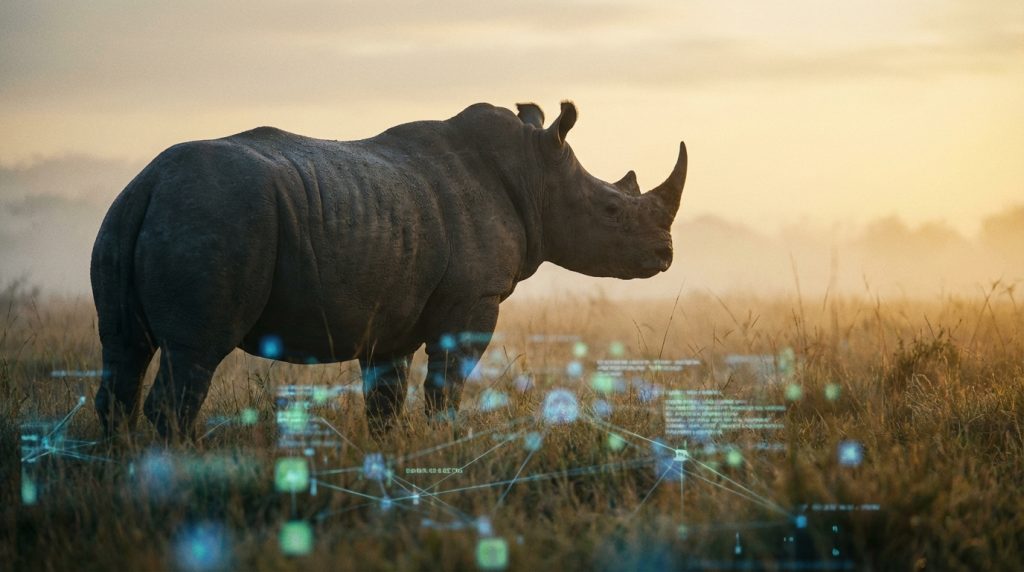
The illegal wildlife trade is a massive problem. It harms animals and ecosystems. It also fuels crime and instability. Fortunately, technology is offering new hope. Enforcement agencies are using advanced tools. This helps them combat this devastating trade. Therefore, we see a growing global effort. This effort combines innovation with traditional methods.
The Scale of the Problem
Illegal wildlife trade is a huge global business. It involves many species. This includes everything from ivory and rhino horn to exotic pets. Furthermore, it often funds organized crime. It also threatens biodiversity. Many endangered species are at risk. For instance, pangolins are heavily trafficked. Tigers and elephants also face severe threats. The demand for these products drives the trade.
This trade is incredibly lucrative. It is estimated to be worth billions of dollars annually. This makes it a significant global issue. The consequences are dire for wildlife populations. Many species are pushed closer to extinction. Moreover, it disrupts delicate ecosystems. This can have ripple effects on human well-being.
Technology’s Role in Enforcement
Technology plays a crucial part in modern conservation. It provides vital tools for monitoring and intervention. Therefore, law enforcement can be more effective. New approaches are constantly being developed.
Surveillance and Monitoring
Advanced surveillance is key. Drones are now widely used. They can patrol vast areas. This is especially useful in remote locations. They provide aerial views of poaching activity. Thermal imaging cameras help detect poachers at night. Furthermore, satellite imagery can track habitat changes. It can also identify illegal logging or fishing operations. This helps pinpoint areas of concern.
Motion-activated cameras are also deployed. These cameras capture images of wildlife. They also record any suspicious human presence. This data helps identify poaching hotspots. It also provides valuable information about animal movements. For example, citizen science initiatives are now using technology to gather data.

Data Analysis and Intelligence
Collecting data is only the first step. Analyzing this data is critical. Artificial intelligence (AI) is transforming this field. AI algorithms can process vast amounts of information. They can identify patterns and predict threats. For instance, AI can analyze patrol routes. It can also predict where poachers might strike next. This allows for proactive deployment of resources.
Databases are also essential. They store information on seizures, arrests, and trade routes. This intelligence helps dismantle trafficking networks. It also aids in prosecuting offenders. Furthermore, sophisticated software can analyze social media. It can identify online sales of illegal wildlife products. This helps disrupt the digital trade.
Forensics and Identification
Forensic science is vital. It helps identify illegally traded wildlife products. DNA analysis can determine the species. It can also trace the origin of the product. This is crucial for prosecution. For example, DNA from a seized ivory tusk can identify the elephant’s origin. This can link it to specific poaching incidents.
Other forensic techniques are also used. These include isotope analysis. This can reveal migration patterns. It can also confirm the geographical origin. Such evidence is powerful in court. It helps secure convictions. Additionally, experts use advanced imaging. This can help identify counterfeit products.
Enforcement Strategies
Technology enhances enforcement. However, human efforts remain crucial. A multi-pronged approach is most effective. This involves collaboration and legal frameworks.
Patrols and Interventions
On-the-ground patrols are essential. Rangers work in challenging conditions. They often face dangerous situations. Technology assists these patrols. GPS devices help them navigate. Communication systems ensure they stay connected. Drones can also provide real-time support. They can alert rangers to poacher activity.
Interventions aim to stop poaching directly. This includes arrests and seizures. Successful operations disrupt trade routes. They also send a strong message to traffickers. However, these operations require careful planning. They also need adequate resources and training.
International Cooperation
Illegal wildlife trade is a transnational crime. Therefore, international cooperation is vital. Countries share intelligence and best practices. Organizations like INTERPOL and CITES play a key role. They coordinate global efforts. This includes joint operations and training programs. Sharing information helps track smugglers across borders. It also aids in harmonizing laws.
Capacity building is also important. Many countries lack resources. They need support for training and equipment. International aid helps strengthen their enforcement capabilities. Thus, a united front is necessary.
Legal Frameworks and Prosecution
Strong legal frameworks are fundamental. These laws should penalize wildlife crime severely. Effective prosecution is also critical. This requires well-trained prosecutors and judges. They need to understand the complexities of wildlife crime. Evidence gathered through technology is key here. It supports legal cases effectively.
The goal is to deter poachers and traffickers. Harsh penalties can act as a significant deterrent. Therefore, robust legal systems are essential. This ensures justice for wildlife crimes. It also helps protect vulnerable species.
The Role of AI and Machine Learning
AI and machine learning are game-changers. They offer unprecedented capabilities. This is particularly true in data analysis. AI can identify subtle patterns. These patterns might be missed by human analysts. For example, AI can analyze acoustic data. It can detect the sound of gunshots in protected areas. This allows for rapid response.
Furthermore, AI can power facial recognition systems. These can identify known poachers. It can also be used for biometrics. This helps in tracking individual animals. This is crucial for conservation efforts. For instance, AI is being used for biometrics in wildlife research.
Challenges and Future Directions
Despite technological advancements, challenges remain. The trade is adaptive. Traffickers constantly find new methods. Funding for conservation efforts can be inconsistent. Corruption also poses a significant obstacle. Moreover, the sheer scale of the trade is overwhelming.
The future will likely see more integration. Greater use of AI and machine learning is expected. Blockchain technology might also play a role. It can enhance transparency in supply chains. This could help track legal wildlife products. Furthermore, continued international collaboration is essential. Public awareness and demand reduction are also key. Ultimately, a holistic approach is needed.
Frequently Asked Questions
What is the illegal wildlife trade?
It is the commercial trade in wild animals and plants. This trade is illegal under national and international laws. It includes the trafficking of endangered species, their parts, and products derived from them.
How does technology help stop illegal wildlife trade?
Technology aids in surveillance (drones, cameras), data analysis (AI, databases), and forensics (DNA analysis). This helps track poachers, identify illegal products, and dismantle trafficking networks.
What are some examples of technologies used?
Examples include drones, thermal cameras, satellite imagery, motion-activated cameras, AI for pattern recognition, DNA analysis, and acoustic sensors.
Why is international cooperation important?
Because illegal wildlife trade crosses borders, international cooperation is vital for sharing intelligence, coordinating enforcement actions, and prosecuting transnational criminal organizations.
What are the biggest challenges in combating this trade?
Challenges include the adaptability of traffickers, funding limitations, corruption, the vast scale of the trade, and the need for consistent enforcement across different jurisdictions.
Conclusion
The fight against illegal wildlife trade is complex. However, technology offers powerful new weapons. Drones, AI, and forensic science are transforming enforcement. Furthermore, international cooperation and strong legal frameworks are essential. By embracing innovation and working together, we can better protect our planet’s precious wildlife. This ongoing battle requires sustained commitment. It also demands continuous adaptation to new threats. The future of many species depends on these efforts.
