

Paleobotany is a fascinating field. It studies ancient plant life. Fossils reveal secrets of the past. This knowledge helps us predict future changes. These changes affect our ecosystems. Understanding ancient plants is crucial. It guides our approach to conservation. It also informs our climate strategies.
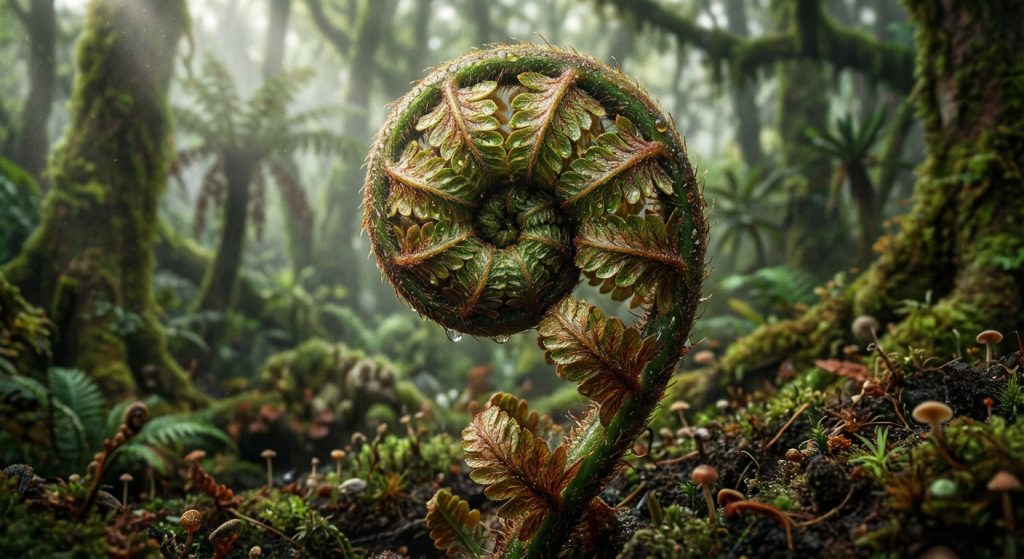
What is Paleobotany?
Paleobotany is the study of fossil plants. These fossils are incredibly old. They can be millions of years old. Scientists analyze plant remains. This includes leaves, seeds, and pollen. They also study fossilized wood. These tiny details tell a big story. They show us what ancient environments were like. For example, they reveal past climates. They also show us ancient landscapes. This helps us reconstruct Earth’s history.
The Tools of the Trade
Paleobotanists use many tools. They carefully excavate fossils. They use microscopes to study details. Advanced imaging techniques are also vital. These help them see intricate structures. Chemical analysis reveals plant composition. This provides clues about their diet. It also shows their growth conditions. Thus, these methods paint a detailed picture.
Why Study Ancient Plants?
Studying ancient plants is not just academic. It has practical applications. It helps us understand evolution. It shows how life adapted over time. More importantly, it offers insights into climate change. Ancient plants lived in different climates. Their fossils are like time capsules. They record past environmental conditions. Therefore, we can learn from their resilience. We can also learn from their failures.
Lessons from Extinct Flora
Extinct plants faced major challenges. They survived ice ages and warming periods. They dealt with changing atmospheric conditions. Studying these survivors is key. It shows us which plant traits are robust. It highlights adaptations that worked. This knowledge is invaluable. It can help us select future crops. It can also guide reforestation efforts. For instance, understanding how ancient trees survived droughts is vital. This knowledge can inform our planting strategies today. We can learn from their resilience. We can also learn from their failures.
Predicting Future Ecological Shifts
The Earth’s climate is changing rapidly. We need to predict these shifts. Paleobotany offers a unique perspective. It provides long-term climate data. This data is based on real observations. It’s not just theoretical modeling. Fossil plant distributions show past climates. For example, finding tropical plant fossils in polar regions indicates warmer past climates. This helps validate modern climate models. It also improves their accuracy. Furthermore, it shows how ecosystems responded to change.
Ecosystem Responses to Past Climates
Ancient ecosystems were dynamic. They shifted with climate changes. Plants and animals co-evolved. Studying these past shifts is crucial. It shows us potential future scenarios. For instance, we can see how forests migrated. We can observe how grasslands expanded. We can also see how species went extinct. This helps us anticipate future biodiversity loss. It also highlights areas of vulnerability. Understanding these patterns is vital for conservation planning. We can learn how to protect vulnerable species. We can also identify resilient ecosystems. For example, the study of ancient trees reveals their remarkable adaptations to changing environments.
The Role of Paleobotany in Conservation
Conservation efforts benefit greatly from paleobotany. It provides a baseline for biodiversity. It shows us what was once present. This helps set restoration goals. It also identifies critical habitats. These are areas that supported diverse life before. By studying ancient plant communities, we learn about ecological interactions. We understand how different species depended on each other. This is important for restoring degraded ecosystems. For example, understanding the role of ancient fungi can help us restore soil health. The hidden world of fungi is essential for forest ecosystems.
Reconstructing Past Biodiversity
Fossil plants are key to this reconstruction. They show us the diversity of past flora. This helps us understand species richness. It also reveals ecological niches. These are the roles species played. By piecing together fossil evidence, we can visualize ancient ecosystems. We can see the complex web of life. This provides a reference point. It shows us what a healthy ecosystem looks like. It also highlights what we have lost. This knowledge is crucial for effective conservation. It helps us prioritize actions. It guides our efforts to protect what remains. It also informs our plans to restore what was lost.
Forecasting Future Plant Adaptations
Plants are constantly adapting. This is a slow process. However, rapid climate change accelerates it. Paleobotany can help us predict future adaptations. It shows us how plants evolved in the past. It reveals traits that aided survival. For example, certain leaf structures might indicate drought resistance. Specific root systems might show adaptation to poor soils. By analyzing these ancient traits, we can infer potential future adaptations. This could involve identifying genes for resilience. It might also involve understanding metabolic pathways. Such knowledge could be invaluable for agriculture. It could help develop crops for harsh future climates. For instance, genetic plant editing is a modern approach that could benefit from this historical data.
Traits for Resilience
Certain plant traits confer resilience. These include drought tolerance. They also include heat resistance. Some plants have mechanisms to cope with salinity. Others can survive in low-light conditions. Paleobotanical records show us which traits were successful. They highlight plants that thrived in challenging eras. For example, studying the science of natural selection in plants helps us understand adaptation.
This historical data can inform our breeding programs. We can look for these traits in modern species. We can also use genetic engineering. This can introduce these beneficial traits. Therefore, paleobotany offers a roadmap. It shows us the evolutionary path to resilience. It also highlights the importance of biodiversity. Diverse gene pools offer more options for adaptation. Thus, protecting existing biodiversity is crucial. It safeguards future evolutionary potential. The preservation of global seed vaults is a critical step in this direction.
The Interdisciplinary Nature of Paleobotany
Paleobotany does not exist in a vacuum. It is highly interdisciplinary. It draws on geology, biology, and chemistry. It also uses principles from climatology and ecology. This broad scope is its strength. It allows for a holistic understanding. It connects past life to present conditions. It also bridges the gap to future possibilities. Therefore, collaboration is key. Scientists from different fields work together. They share data and insights. This multidisciplinary approach is essential. It helps us tackle complex environmental challenges.
Connecting Past, Present, and Future
In conclusion, paleobotany is more than just looking at old plants. It is a vital science. It provides a long-term perspective. It helps us understand ecological dynamics. It offers critical data for climate modeling. It informs conservation strategies. It guides our efforts to build resilience. By studying the past, we can better prepare for the future. We can make informed decisions. This will help us protect our planet. It will ensure a sustainable future for all life. For example, understanding past land use and its impact can inform current regenerative agriculture practices.
Frequently Asked Questions (FAQ)
How far back does paleobotany study plant life?
Paleobotany studies plant life from the earliest fossil evidence, dating back to the Precambrian era (over 500 million years ago).
What is the most common type of plant fossil found?
The most common plant fossils are typically imprints of leaves, stems, and seeds, as these are often preserved in sedimentary rocks.
Can paleobotany predict specific future events like droughts or floods?
While paleobotany can indicate long-term trends and patterns of climate change, it doesn’t predict specific events like individual droughts or floods. However, it helps us understand the likelihood and severity of such events based on past climate behavior.
How does paleobotany contribute to understanding extinction events?
Paleobotany helps identify plant species that went extinct during past environmental crises. By studying the conditions under which these extinctions occurred, scientists can better understand the causes and potential future risks to biodiversity.
Is paleobotany useful for finding new natural resources?
Yes, studying fossil plants can sometimes indirectly help in the search for fossil fuels like coal and oil, which are derived from ancient organic matter, including plants.
