The Science Behind Natural Dyes: Sustainable Color Alternatives
Published on February 4, 2026 by Admin
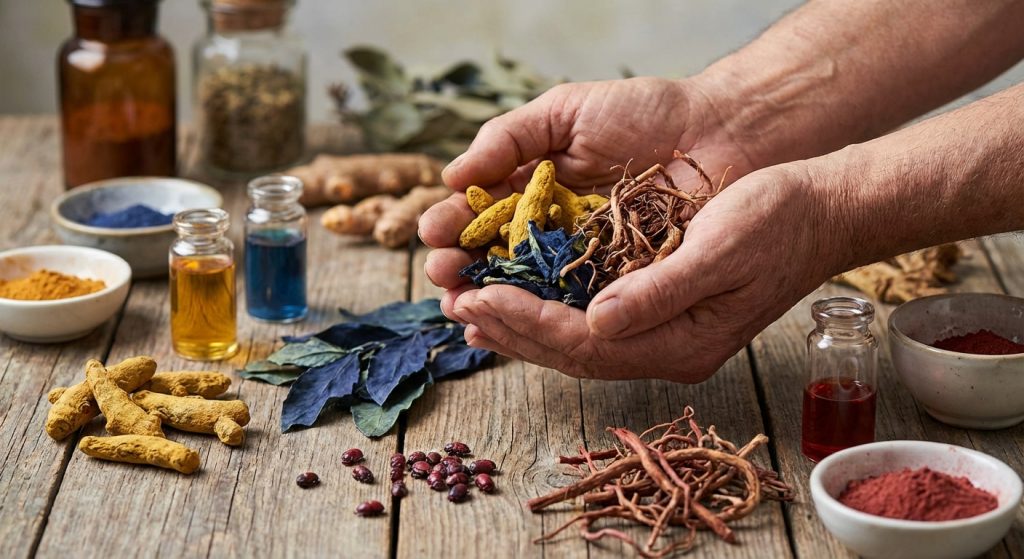
Color surrounds us. It influences our moods and our choices. But where do these colors come from? For decades, synthetic dyes have dominated. They offer vibrant shades and consistent results. However, these synthetic options often come with a hidden cost. They can harm the environment. Therefore, many are now turning to natural dyes. These dyes come from plants, minerals, and even insects. They offer a more sustainable path forward. Let’s explore the fascinating science behind these natural colors.
Why Natural Dyes Matter Today
The textile industry is a major global polluter. Synthetic dyes often contain harsh chemicals. These chemicals can contaminate waterways. They can also pose risks to factory workers. Furthermore, their production consumes significant energy. In contrast, natural dyes offer a gentler alternative. They are typically biodegradable. Many are also derived from renewable resources. This shift is crucial for a more sustainable future.
The Chemistry of Color in Nature
Natural dyes work through complex chemical processes. The colors we see are due to specific molecules. These molecules absorb certain wavelengths of light. They reflect others. The reflected light is what our eyes perceive as color. For example, the vibrant yellow of turmeric comes from curcuminoids. These compounds are pigments. They bind to fabric fibers. This process is called mordanting. Mordants are often metallic salts. They help the dye adhere better. They also help create a wider range of colors. Without mordants, many natural dyes would fade quickly.
Common Sources of Natural Dyes
Nature provides an incredible palette. Many everyday plants yield beautiful colors. For instance:
- Roots: Madder root produces reds and oranges. Beetroot can give pinks and purples.
- Leaves: Indigo leaves are famous for their deep blues. Spinach and other leafy greens can offer greens.
- Flowers: Safflower yields yellows and oranges. Marigolds can produce vibrant yellows.
- Fruits and Berries: Blackberries and blueberries give purples and blues. Pomegranate rinds offer yellows and browns.
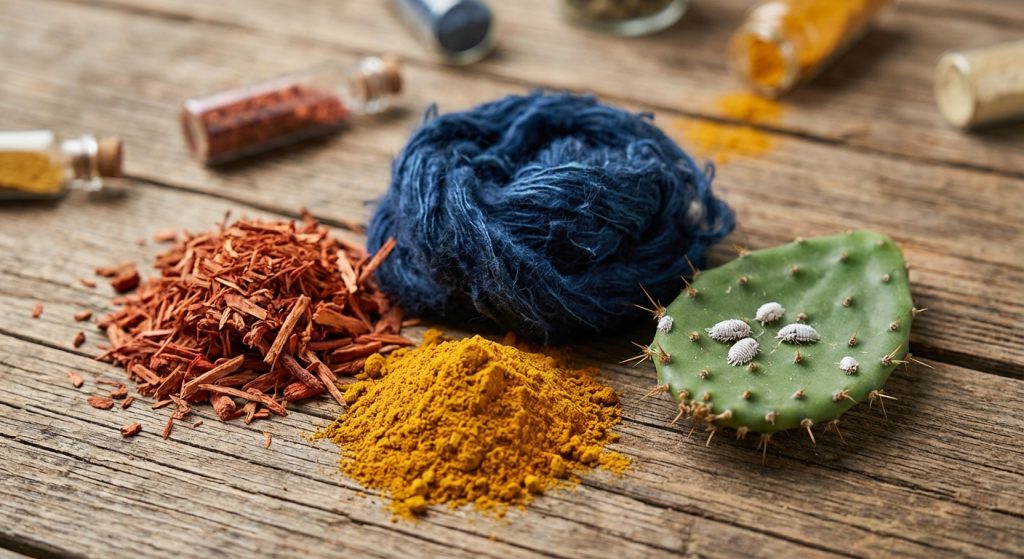
- Bark and Wood: Oak bark and walnut hulls create rich browns.
- Minerals: Ochre and other earth pigments provide natural earth tones.
- Insects: Cochineal insects are used to create a brilliant crimson.
The specific color obtained depends on many factors. This includes the plant part used, the soil it grew in, and the extraction method. Moreover, the type of fiber being dyed also plays a role. Cotton, wool, and silk each interact differently with dyes.
The Science of Dyeing with Nature
Dyeing with natural materials is an art and a science. It involves several key steps. Firstly, the dye material must be prepared. This often involves chopping or grinding. Then, the dye is extracted. This usually means simmering the material in water. This releases the color compounds. The fabric is then prepared with a mordant. This helps the dye bind. Common mordants include alum, iron sulfate, and copper sulfate. However, care must be taken. Some mordants can be toxic. Research into safer, plant-based mordants is ongoing.
Extraction Techniques
Extracting color from natural sources is crucial. Common methods include:
- Boiling: This is the most common method. Materials are simmered in water for an extended period.
- Steaming: This method can be gentler for some delicate materials.
- Cold Maceration: Some dyes, like indigo, are extracted using fermentation or cold water.
The efficiency of extraction impacts the final color intensity. Therefore, optimizing these techniques is important.
Mordanting and Color Fixation
Mordanting is essential for colorfastness. It creates a bridge. This bridge connects the dye molecule to the fiber. Different mordants produce different shades. For example, iron mordants often darken colors. They can create greys or blacks. Alum typically produces brighter, more vibrant hues. Some natural dyes are “substantive.” This means they bind to fibers without a mordant. However, these are less common. Therefore, mordanting is a key step for most natural dyeing.
The Role of pH
The pH of the dye bath significantly affects color. Many natural dyes are sensitive to acidity or alkalinity. For instance, some reds can turn purple in alkaline conditions. Others might become more orange in acidic ones. Understanding pH allows dyers to manipulate and control the final color. This is a critical aspect of natural dyeing science.
Challenges and Innovations in Natural Dyes
Despite their benefits, natural dyes face challenges. Consistency can be an issue. Batch-to-batch color variation is common. This is due to natural variations in plant materials. Furthermore, some natural dyes may not be as lightfast or washfast as synthetics. This means they can fade more easily. However, ongoing research is addressing these limitations.
Improving Colorfastness and Consistency
Scientists are exploring new mordanting techniques. They are also investigating natural binders. These can improve dye adherence. Furthermore, understanding the precise chemical compounds responsible for color helps standardize extraction. This leads to more predictable results. For example, isolating specific pigments can create more consistent dye baths.
Sustainable Sourcing and Cultivation
It is vital to source natural dye materials sustainably. Overharvesting can harm ecosystems. Therefore, many are focusing on cultivating dye plants. This ensures a steady supply. It also allows for controlled growing conditions. This can improve the quality and consistency of the dyes. Some companies are even developing “dye farms.” These farms specifically grow plants for textile coloration. This approach supports agroforestry principles, integrating trees into farming for diversified income.
The Future of Natural Dyes
The demand for sustainable products is growing. This is driving innovation in natural dyes. Biotechnology is also playing a role. Researchers are using genetic engineering to enhance dye production in plants. They are also exploring microbial fermentation. This can create dyes in a controlled lab setting. This offers a highly sustainable and scalable option. Ultimately, the goal is to create vibrant, durable colors with minimal environmental impact. This aligns with the broader movement towards sustainable fashion.
Frequently Asked Questions
Are natural dyes really better for the environment?
Yes, generally they are. Natural dyes are typically biodegradable. They often come from renewable resources. Their production usually involves fewer toxic chemicals. This reduces water pollution. However, it’s important to consider the sourcing. Sustainable harvesting and cultivation practices are key.
How do natural dyes compare to synthetic dyes in terms of color vibrancy?
Synthetic dyes can often achieve brighter, more saturated colors. They also offer a wider range of shades. Natural dyes can produce beautiful, nuanced colors. However, achieving the same level of vibrancy as some synthetics might require specific techniques or mordants. Research is continuously improving this aspect.
Is dyeing with natural colors time-consuming?
Yes, natural dyeing can be more time-consuming than using synthetic dyes. The preparation, extraction, and dyeing process often involves multiple steps. It requires patience and attention to detail. However, many find the process rewarding. It connects them more deeply with the materials.
Can I dye clothes at home with natural dyes?
Absolutely! Many natural dyes can be used at home. Common kitchen ingredients like onion skins, avocado pits, and tea leaves can yield colors. There are many resources available for home dyeing projects. It’s a wonderful way to experiment with natural color.
What are the main challenges with natural dyes?
The main challenges include achieving consistent results, ensuring good colorfastness (resistance to fading from light and washing), and sourcing materials sustainably. However, scientific advancements are actively addressing these issues.
Conclusion
The science behind natural dyes reveals a world of sustainable color. From the complex chemistry of plant pigments to innovative extraction techniques, nature offers a rich and eco-friendly alternative to synthetic dyes. As awareness of environmental impact grows, the demand for natural colors in textiles and other industries will only increase. By embracing these natural solutions, we can create a more colorful and sustainable future. This journey into natural dyes is not just about color; it’s about respecting our planet.