
Carbon Capture: Large-Scale Solutions for Atmospheric CO2 Removal
Published on February 4, 2026 by Admin
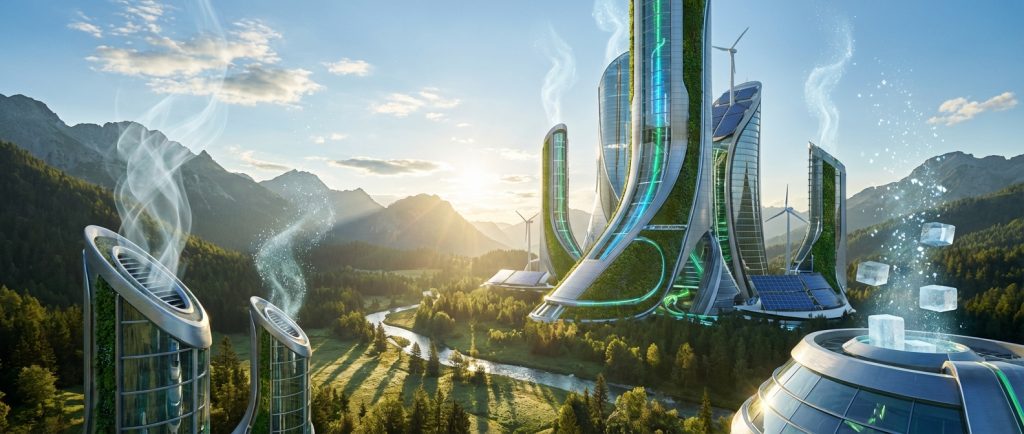
The Earth’s climate is changing. This is a fact we can no longer ignore. A major driver of this change is the increasing concentration of carbon dioxide (CO2) in our atmosphere. For decades, human activities have released vast amounts of CO2. This has led to global warming. Therefore, finding ways to remove CO2 from the air is crucial. Large-scale carbon capture technologies offer a promising path forward. These technologies aim to actively pull CO2 out of the atmosphere. They then store it safely. This article explores these vital solutions.
Why Do We Need Carbon Capture?
Our planet’s atmosphere acts like a blanket. Greenhouse gases, like CO2, trap heat. This keeps Earth warm enough for life. However, burning fossil fuels for energy, deforestation, and industrial processes release more CO2. This thickens the blanket. Consequently, the planet warms up. This leads to more extreme weather events. Sea levels rise. Ecosystems are disrupted. We need to reduce emissions, but we also need to remove existing CO2. Carbon capture is essential for this dual approach. It helps us manage the CO2 already present. It also complements efforts to lower future emissions.
Direct Air Capture (DAC) Technology
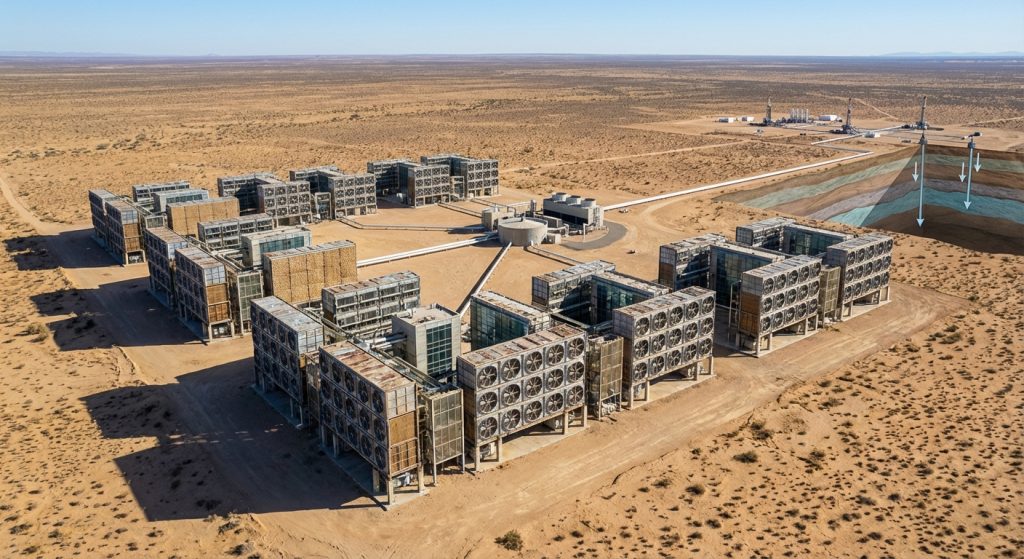
Direct Air Capture (DAC) systems are designed to pull CO2 directly from the ambient air. They use chemical processes. These processes are similar to those used in industrial settings. However, DAC is scaled for atmospheric concentrations. This is a significant challenge. Air contains only about 420 parts per million of CO2. Industrial flue gases have much higher concentrations. Therefore, DAC requires a lot of energy. It also needs large facilities.
How DAC Works
DAC technologies typically use fans. These fans draw in large volumes of air. The air then passes through a filter. This filter contains a sorbent material. This material chemically binds with CO2 molecules. Once the sorbent is saturated, it is heated. This releases the captured CO2. The CO2 is then compressed. Finally, it is transported for storage or utilization.
Types of DAC Sorbents
There are two main types of sorbents used in DAC:
- Solid Sorbents: These are often amine-based materials. They capture CO2 at ambient temperatures. They release CO2 when heated to moderate temperatures (around 80-120°C).
- Liquid Solvents: These typically involve alkaline solutions, such as potassium hydroxide. They react with CO2 to form carbonates. These carbonates are then processed to release pure CO2. This process usually requires higher temperatures.
Each method has its own advantages and disadvantages. They vary in energy efficiency and cost. Research continues to improve these materials. This aims to make DAC more affordable and effective.
Bioenergy with Carbon Capture and Storage (BECCS)
BECCS is another significant carbon removal strategy. It combines the use of biomass for energy production with carbon capture technology. Biomass, such as plants and agricultural waste, absorbs CO2 from the atmosphere as it grows. When this biomass is burned for energy, the resulting CO2 emissions are captured. Then, they are stored underground. Therefore, the net effect is negative emissions. This means more CO2 is removed than emitted.
The BECCS Process
Firstly, biomass is grown. During this growth phase, plants absorb atmospheric CO2. Next, the biomass is harvested. It is then transported to an energy facility. Here, it is used to generate heat or electricity. Crucially, carbon capture equipment is installed at the power plant. This equipment captures the CO2 released during combustion. Finally, the captured CO2 is transported. It is then injected deep underground for permanent storage. This process can lead to climate-positive energy generation.
Challenges and Opportunities
BECCS has the potential to remove large amounts of CO2. However, it also faces challenges. These include land use requirements for biomass cultivation. Sustainable sourcing of biomass is also critical. We must avoid competing with food production. We also need to consider water usage. Despite these challenges, BECCS offers a pathway to carbon-neutral or even carbon-negative energy. It can also create rural economic opportunities.
Enhanced Weathering
Enhanced weathering is a more natural approach. It accelerates a geological process. This process involves the reaction of rocks with CO2 in the air. Specifically, certain types of rocks, like basalt, react with CO2. This reaction forms stable carbonate minerals. Over millions of years, this process naturally removes CO2 from the atmosphere. Enhanced weathering speeds this up. It involves crushing these rocks. Then, spreading the fine rock dust over land or oceans.
How it Works
The process begins with mining and crushing rocks rich in silicate minerals. These minerals are then spread over large areas. For example, agricultural lands or coastlines. When rainwater interacts with the rock dust, it dissolves minerals. This process consumes CO2 from the atmosphere. The dissolved minerals then react to form stable carbonates. These carbonates can be washed into rivers and eventually the ocean. They can also remain in soils. Thus, the CO2 is effectively sequestered.
Potential and Limitations
Enhanced weathering could remove significant amounts of CO2. It also offers potential co-benefits. For instance, it can improve soil fertility. However, there are environmental considerations. These include the impact of mining operations. Also, the effects of large-scale rock dust application on ecosystems need careful study. Furthermore, the process can be slow and requires careful management. It is an area of active research and development.
Ocean-Based Carbon Removal
Our oceans are vast carbon sinks. They absorb a significant portion of the CO2 we emit. However, ocean acidification is a growing concern. Various ocean-based solutions are being explored to enhance carbon removal. These include approaches like ocean alkalinity enhancement and seaweed farming.
Ocean Alkalinity Enhancement
This method involves adding alkaline substances, such as olivine or limestone, to seawater. This increases the ocean’s capacity to absorb CO2. It also helps counteract ocean acidification. By increasing alkalinity, the ocean can buffer more CO2. This effectively locks it away in dissolved carbonate ions. However, the ecological impacts of adding large quantities of minerals to the ocean need thorough investigation. We must ensure it does not harm marine life.
Seaweed Farming
Cultivating large amounts of seaweed offers another avenue. Seaweed grows rapidly. It absorbs CO2 from the water during photosynthesis. When the seaweed biomass sinks to the deep ocean floor, it can sequester carbon. This is a natural process. It can also provide sustainable food and biofuel sources. Therefore, it offers multiple benefits. However, scaling up seaweed farming to a level significant for climate impact presents logistical and economic hurdles.
Other Emerging Technologies
Beyond these major approaches, several other technologies are in development. Some focus on direct CO2 capture. Others aim for enhanced natural processes. For example, some research involves genetically engineering plants. This could make them better at absorbing CO2. Others explore novel mineralization techniques.
Mineralization
This process involves reacting captured CO2 with minerals. This creates stable solid carbonates. It is a way to permanently store CO2. For instance, CO2 can be injected into basalt formations. It then reacts to form solid minerals. This method is considered very secure. However, it requires suitable geological formations and energy for the capture and injection process.
Afforestation and Reforestation
While not strictly a technological solution, planting trees remains a powerful natural carbon sink. Afforestation is planting trees on land that has not been forested recently. Reforestation is replanting forests on land that was previously forested. Forests absorb CO2 as they grow. They store it in their biomass and soils. Therefore, protecting existing forests and expanding new ones is vital. This is a cornerstone of carbon management strategies. It also provides numerous co-benefits for biodiversity and ecosystems. You can learn more about the importance of ancient trees and their role in carbon sequestration.
Challenges and the Path Forward
Implementing large-scale carbon capture technologies is complex. Firstly, cost is a major barrier. These technologies are currently expensive to build and operate. Secondly, energy requirements are substantial. This energy must ideally come from renewable sources to avoid increasing emissions. Thirdly, scaling up is a significant challenge. We need massive infrastructure to capture and store enough CO2. Finally, public acceptance and policy support are essential. Effective regulations and incentives are needed.
The Role of Policy and Investment
Governments and international bodies play a crucial role. They can provide funding for research and development. They can also offer tax incentives and carbon pricing mechanisms. These measures make carbon capture more economically viable. Investment from the private sector is also vital. This drives innovation and deployment. Collaboration between scientists, engineers, policymakers, and industry is key to success. The development of these technologies is a critical step in our fight against climate change. We must also continue to prioritize emission reductions.
Frequently Asked Questions
What is the difference between carbon capture and carbon sequestration?
Carbon capture refers to the process of collecting CO2 from sources like industrial facilities or directly from the atmosphere. Carbon sequestration, on the other hand, is the long-term storage of this captured CO2. This can be done in geological formations, oceans, or through other methods.
Are carbon capture technologies safe for the environment?
When implemented correctly and with rigorous monitoring, carbon capture technologies are designed to be safe. The main concern is the secure, long-term storage of CO2 to prevent leaks. For example, geological storage sites are carefully selected and monitored. Also, ocean-based methods require careful ecological impact assessments.
How much CO2 can these technologies remove?
The potential for removal varies greatly by technology and scale. Direct air capture is still in its early stages but aims for gigatonnes of CO2 removal annually. BECCS, if implemented sustainably, also has significant potential. Enhanced weathering and ocean-based methods could potentially remove even larger amounts, but they are less developed.
Will carbon capture solve climate change on its own?
No, carbon capture is not a silver bullet. It is a crucial part of a broader strategy. This strategy must include drastic reductions in greenhouse gas emissions. It also needs to include adaptation measures. Therefore, it complements, rather than replaces, emission reduction efforts.
Conclusion
Large-scale carbon capture technologies represent a vital frontier in our efforts to combat climate change. From Direct Air Capture and BECCS to enhanced weathering and ocean-based solutions, these innovations offer hope. They provide pathways to actively remove CO2 from the atmosphere. However, significant challenges remain. These include cost, energy intensity, and scalability. Furthermore, rigorous environmental assessment is crucial for all methods. As research progresses and technology matures, these solutions will likely play an increasingly important role. They will work alongside aggressive emission reductions. This combined approach is essential for securing a sustainable future for our planet. The ongoing innovation in this field is a testament to human ingenuity in addressing global challenges.
