
Earth’s Frozen Heartbeat: Why the Cryosphere Matters
Published on February 4, 2026 by Admin
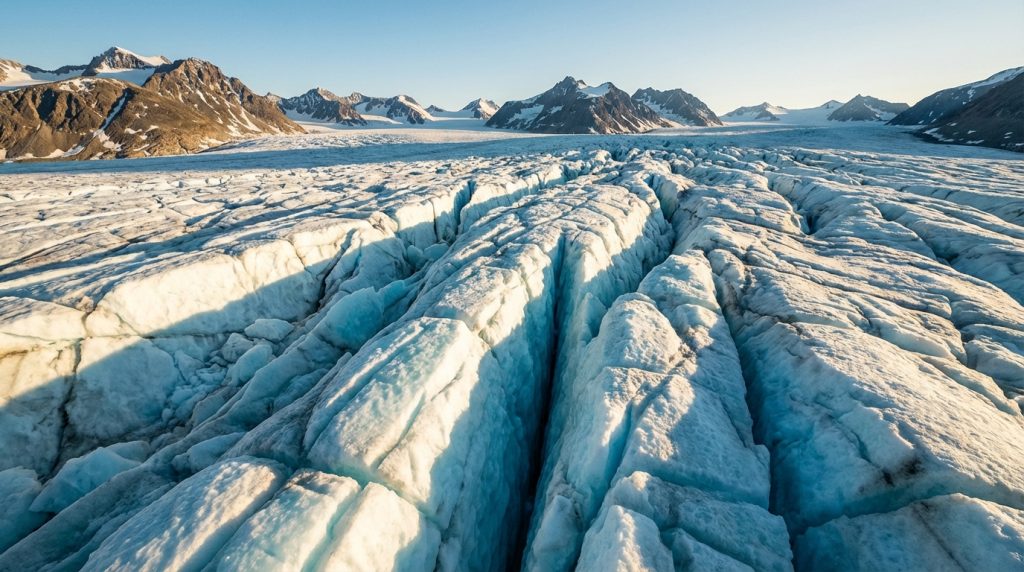
Our planet is often called the “Blue Marble.” This is due to its vast oceans. However, a significant portion of Earth is also covered in ice and snow. This frozen realm is known as the cryosphere. It includes glaciers, ice sheets, sea ice, and permafrost. These frozen landscapes are not just beautiful. They play a crucial role in regulating global climate. Therefore, understanding the cryosphere is vital. It helps us grasp Earth’s delicate climate balance.
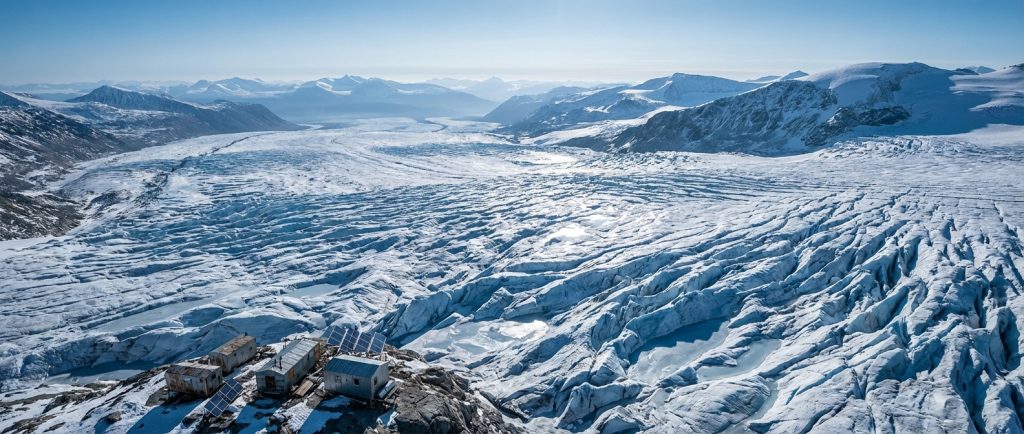
What is the Cryosphere?
Firstly, let’s define the cryosphere. It encompasses all frozen water on Earth. This includes many different forms. Ice sheets in Antarctica and Greenland are massive. They hold the vast majority of Earth’s freshwater. Glaciers are large bodies of ice. They move slowly over land. Sea ice forms when ocean water freezes. Permafrost is ground that remains frozen for at least two consecutive years. Snow cover is also part of the cryosphere. These components are interconnected. They all influence our planet’s climate.
The Cryosphere’s Role in Climate Regulation
The cryosphere acts like Earth’s thermostat. Its frozen surfaces have a high albedo. Albedo is the measure of reflectivity. White snow and ice reflect most solar radiation back into space. This helps to keep the planet cool. Conversely, darker surfaces absorb more heat. For example, oceans and land absorb heat. This process is fundamental to Earth’s energy balance. As a result, changes in the cryosphere have profound effects.
The Albedo Effect
The albedo effect is a critical feedback loop. When ice melts, it exposes darker land or ocean. These darker surfaces absorb more sunlight. This leads to further warming. Consequently, more ice melts. This cycle can accelerate climate change. Therefore, the cryosphere’s reflective power is essential for maintaining stable temperatures. It helps prevent runaway warming.
Impact on Ocean Currents
Furthermore, the cryosphere influences ocean circulation. Melting ice, especially in polar regions, releases freshwater. This freshwater is less dense than saltwater. As it mixes with the ocean, it can alter major ocean currents. For instance, the Atlantic Meridional Overturning Circulation (AMOC) is vital. It transports heat around the globe. Changes in freshwater input can weaken these currents. This could lead to significant regional climate shifts. For example, it might affect weather patterns in Europe and North America.
Cryosphere and Sea Level Rise
One of the most significant impacts of a warming cryosphere is sea level rise. Land-based ice, like glaciers and ice sheets, melts. This meltwater flows into the oceans. It directly adds to the volume of ocean water. Sea ice melting, however, does not directly raise sea levels. This is because it is already floating in the water. Nevertheless, its loss has other consequences.
Melting Ice Sheets
The Greenland and Antarctic ice sheets are enormous. They contain enough ice to raise global sea levels by many meters if they were to melt entirely. Even small increases in melt rates can have a substantial impact. Scientists are closely monitoring these ice sheets. They use satellite data and ground observations. This helps them understand the rate of melting. For instance, satellite imagery shows significant thinning in parts of Antarctica.
Consequences of Rising Seas
Rising sea levels pose a serious threat. Coastal communities are particularly vulnerable. They face increased flooding and erosion. Low-lying islands are at risk of submersion. This can lead to displacement of populations. It also impacts ecosystems. For example, mangrove forests and coral reefs are threatened by rising waters.
Permafrost and Climate Change
Permafrost is another crucial component of the cryosphere. It covers vast areas of the Arctic. This permanently frozen ground stores immense amounts of organic carbon. This carbon has been locked away for millennia. As the Arctic warms, permafrost begins to thaw. This thawing releases greenhouse gases. These gases include carbon dioxide and methane. Methane is a particularly potent greenhouse gas. It has a much stronger warming effect than carbon dioxide over shorter timescales.
The Permafrost Carbon Feedback Loop
The thawing of permafrost creates another dangerous feedback loop. As more permafrost thaws, more greenhouse gases are released. These gases contribute to further global warming. This, in turn, causes more permafrost to thaw. This cycle can significantly amplify climate change. Therefore, it is a major concern for climate scientists. It highlights the interconnectedness of Earth’s systems. The release of ancient carbon could have long-lasting effects.
Impact on Arctic Ecosystems and Infrastructure
Beyond greenhouse gas emissions, thawing permafrost has other impacts. It destabilizes the ground. This damages infrastructure like roads, buildings, and pipelines. It also alters Arctic landscapes. This affects the habitats of plants and animals. Indigenous communities in the Arctic are also deeply affected. Their traditional ways of life are threatened by these changes.
The Cryosphere’s Impact on Biodiversity
The cryosphere supports unique ecosystems. These are home to specialized species. Polar bears, seals, and penguins are iconic examples. These animals are adapted to cold environments. Changes in ice cover directly affect their survival. For instance, reduced sea ice makes hunting more difficult for polar bears. It also impacts their breeding grounds.
Threats to Arctic Wildlife
Furthermore, warming temperatures can introduce new challenges. Warmer climates allow for the migration of new species. These newcomers may outcompete native species. They can also introduce diseases. This disrupts the delicate balance of Arctic food webs. Therefore, the entire ecosystem is at risk. Conservation efforts are crucial to protect these vulnerable species.
Impact on Marine Life
Even marine life far from the poles is affected. Changes in ocean temperature and salinity, driven by cryosphere melt, impact fish populations. These changes can affect the entire aquatic food web. For example, shifts in plankton distribution can have cascading effects.
What Can Be Done?
Addressing the challenges posed by changes in the cryosphere requires global action. Firstly, reducing greenhouse gas emissions is paramount. This involves transitioning to renewable energy sources. It also means improving energy efficiency. Policies that promote decarbonization are essential.
Mitigation and Adaptation
Secondly, adaptation strategies are necessary. Coastal communities need to prepare for rising sea levels. This might involve building sea defenses or relocating infrastructure. In the Arctic, communities need support to adapt to permafrost thaw. Research and monitoring are also vital. They help us understand the complex processes at play.
Individual Actions Matter
Moreover, individual actions contribute to the solution. Reducing our carbon footprint is important. This includes making conscious choices about transportation, diet, and consumption. Supporting policies that address climate change also makes a difference. Ultimately, protecting the cryosphere is about protecting our planet’s future.
Frequently Asked Questions
What is the cryosphere?
The cryosphere refers to all parts of the Earth’s surface where water is in solid form. This includes ice sheets, glaciers, sea ice, snow cover, and permafrost.
Why is the cryosphere important for climate?
The cryosphere is crucial for climate regulation because its white surfaces reflect solar radiation back into space, helping to keep the planet cool. It also influences ocean currents and plays a role in the global carbon cycle.
How does melting ice affect sea levels?
Melting land-based ice, such as ice sheets and glaciers, adds water to the oceans, directly causing sea levels to rise.
What is permafrost and why is its thawing a concern?
Permafrost is ground that remains frozen for at least two consecutive years. Its thawing is a concern because it releases potent greenhouse gases like methane and carbon dioxide, accelerating global warming. It also destabilizes land and infrastructure.
Can we stop the cryosphere from melting?
While we cannot immediately stop all melting, we can significantly slow down the rate of change by drastically reducing global greenhouse gas emissions and transitioning to sustainable energy sources.
Conclusion
In conclusion, the cryosphere is a vital component of Earth’s climate system. Its frozen landscapes regulate global temperatures, influence ocean circulation, and store vast amounts of carbon. Changes in the cryosphere, driven by climate change, have far-reaching consequences. These include sea level rise, amplified warming through feedback loops, and threats to unique ecosystems and biodiversity. Therefore, understanding and protecting Earth’s frozen water is not just an environmental issue. It is fundamental to ensuring a stable climate for future generations. We must act collectively to mitigate emissions and adapt to the changes already underway.
