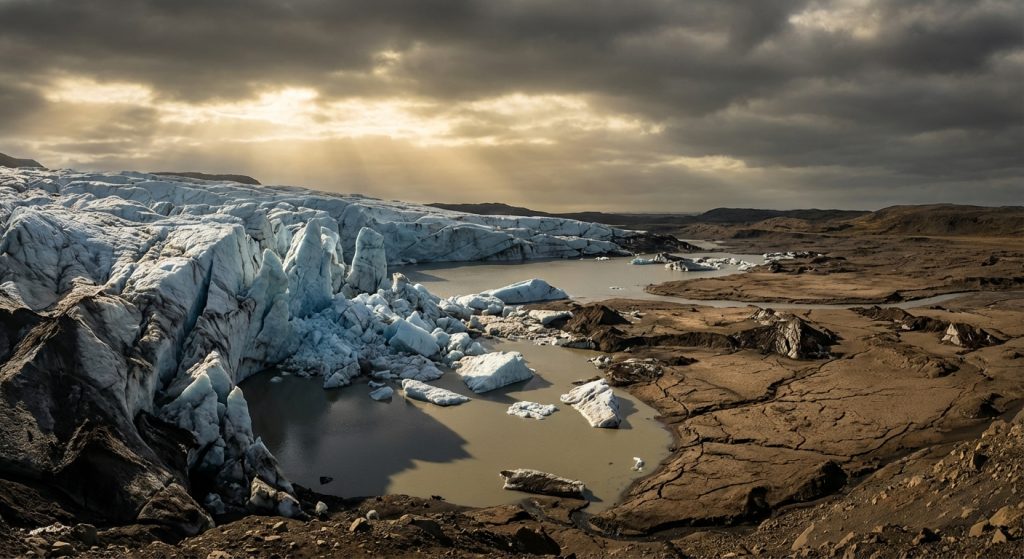
Glaciers are vital components of our planet’s climate system. They are massive bodies of ice that form over centuries. However, these icy giants are now shrinking at an alarming rate. This rapid decline has profound global consequences. Understanding glaciology is key to grasping the severity of this issue.
The study of glaciers is called glaciology. It examines how glaciers form, move, and melt. It also looks at their impact on the environment. Currently, glaciologists are observing unprecedented melting. This is a clear indicator of a warming planet.
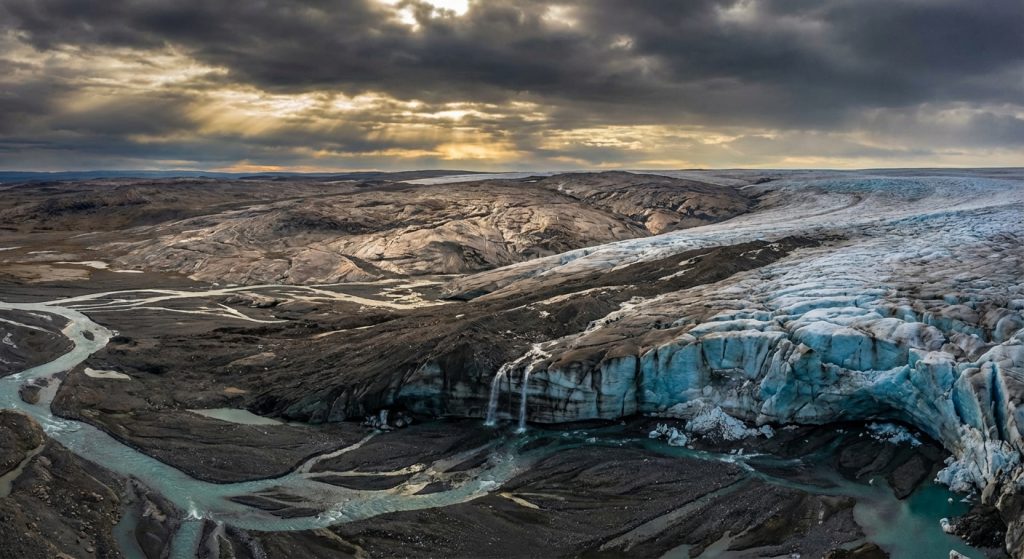
The Alarming Rate of Glacier Loss
Glaciers worldwide are losing mass at an accelerated pace. This is not a new phenomenon, but the speed of the retreat is alarming. Many glaciers have shrunk significantly in just a few decades. For instance, the Alps have lost a substantial portion of their glacial ice. Similarly, glaciers in the Himalayas and the Andes are also in rapid decline.
Several factors contribute to this rapid melting. The primary driver is global warming. Rising global temperatures cause ice to melt faster than it can accumulate. Furthermore, changes in precipitation patterns play a role. Less snowfall means less ice formation. The feedback loop is concerning. As ice melts, darker surfaces are exposed. These surfaces absorb more solar radiation. This leads to further warming and melting.
What is Glaciology?
Glaciology is a specialized field of Earth science. It focuses on glaciers and ice sheets. Scientists in this field study the physical properties of ice. They also analyze its movement and its interaction with the climate. Glaciologists use various tools. These include satellite imagery, ground surveys, and ice core analysis. Ice cores provide valuable historical climate data. They can reveal past temperatures and atmospheric conditions.
Understanding glacial dynamics is crucial. It helps us predict future sea-level rise. It also informs us about changes in freshwater availability. The scientific community is united on the issue of glacier melt. The evidence is overwhelming and points to human-induced climate change.
Global Consequences of Melting Glaciers
The consequences of glacier retreat are far-reaching. They impact ecosystems, economies, and human populations. One of the most significant impacts is sea-level rise. Melting glaciers contribute a substantial amount of water to the oceans. This is a major concern for coastal communities worldwide.
Moreover, glaciers are vital sources of freshwater. Many rivers and streams are fed by glacial meltwater. Communities that rely on this water for drinking, agriculture, and industry face severe shortages. This can lead to increased competition for resources and potential conflicts.
Sea-Level Rise: A Growing Threat
The melting of glaciers and ice sheets is a primary contributor to global sea-level rise. As ice melts, the water flows into the oceans, increasing their volume. This rise in sea level poses a direct threat to low-lying coastal areas. Many cities and island nations are at risk of inundation. This can lead to displacement of populations and loss of valuable land and infrastructure.
The Intergovernmental Panel on Climate Change (IPCC) has reported on this issue extensively. Their findings highlight the accelerating pace of sea-level rise. This trend is projected to continue and worsen in the coming decades. Therefore, adaptation strategies are becoming increasingly important.
Freshwater Scarcity: A Looming Crisis
Glaciers act as natural reservoirs of freshwater. They store vast amounts of water in frozen form. During warmer months, this meltwater replenishes rivers and lakes. This is essential for ecosystems and human water supplies. However, as glaciers shrink, the amount of meltwater available decreases. This leads to reduced river flows and increased water scarcity in many regions.
For example, regions like Central Asia and parts of South America depend heavily on glacial meltwater. The dwindling supply threatens agriculture, hydropower, and daily water needs. Consequently, this can have devastating economic and social impacts. It is a stark reminder of our dependence on these natural resources. The issue of water scarcity is closely linked to climate change. You can learn more about related environmental challenges in articles like Water Scarcity Solutions for a Thirsty Planet.
Impact on Ecosystems and Biodiversity
Glaciers support unique ecosystems. Many species have adapted to life in cold environments. As glaciers disappear, these habitats are destroyed. This leads to a loss of biodiversity. Species that cannot adapt or migrate quickly enough face extinction.
For instance, cold-water fish populations are threatened by warming rivers. Mountain ecosystems are also fragile. Changes in temperature and water availability can disrupt entire food webs. The loss of glacial ice also affects ocean currents and marine life. Therefore, the interconnectedness of Earth’s systems is evident.
The Science Behind Glacier Melting
Glaciologists use sophisticated methods to monitor glacier health. Satellite data provides a global overview. It tracks changes in ice mass and extent over time. Ground-based measurements offer detailed insights. These include temperature readings, snow accumulation rates, and ice flow speeds.
One key metric is the mass balance of a glacier. This is the difference between the amount of ice accumulated and the amount lost through melting and sublimation. A negative mass balance indicates that a glacier is shrinking. This is the situation for most glaciers today. The rate of melting is directly linked to atmospheric temperatures. Warmer air causes more ice to melt.
Temperature Rise and Ice Melt
Global average temperatures have been steadily increasing. This is primarily due to increased greenhouse gas emissions. These gases trap heat in the atmosphere. Warmer temperatures lead to increased melting of glaciers. The effect is particularly pronounced at higher altitudes and latitudes. Glaciers are highly sensitive to small changes in temperature.
Furthermore, changes in solar radiation can influence melting. However, the overwhelming scientific consensus attributes the current rapid melting to anthropogenic climate change. The data from NOAA’s climate change impacts page consistently supports this conclusion.
Changes in Precipitation Patterns
Climate change also affects precipitation patterns. In some regions, this means more rainfall instead of snowfall. Snowfall is crucial for glacier formation. It provides the raw material for ice to accumulate. Reduced snowfall means less replenishment of glacial ice. Additionally, warmer winters mean that snow that does fall may melt sooner.
Moreover, the timing of precipitation matters. If snow falls too late in the season, it may not have enough time to compact into ice before the summer melt begins. Therefore, shifts in seasonal weather patterns are significant factors. The intricate balance of Earth’s climate is being disrupted. This is a complex issue, much like the study of atmospheric phenomena in articles such as Storm Science: Improving Hurricane & Typhoon Predictions.
Mitigation and Adaptation Strategies
Addressing glacier retreat requires a two-pronged approach: mitigation and adaptation. Mitigation involves reducing greenhouse gas emissions. This is the long-term solution to slow down global warming. Adaptation involves adjusting to the current and future effects of climate change.
These strategies are essential for safeguarding communities and ecosystems. International cooperation is vital for effective action. Many organizations are working on solutions. For example, efforts to promote carbon capture technologies aim to reduce atmospheric CO2 levels.
Reducing Greenhouse Gas Emissions
The most effective way to slow glacier melt is to reduce global greenhouse gas emissions. This requires a transition to renewable energy sources. It also involves improving energy efficiency. Furthermore, sustainable land-use practices are important. Deforestation contributes significantly to carbon emissions. Conversely, reforestation can help absorb CO2 from the atmosphere. The global community must work together to achieve these goals.
Policies and individual actions both play a role. Governments can enact regulations and incentives. Individuals can make conscious choices about their consumption and energy use. The urgency of the situation demands immediate and substantial action. The topic of clean tech infrastructure is central to this transition.
Adapting to a Changing Climate
While mitigation is crucial, adaptation is also necessary. Coastal communities need to develop strategies to cope with rising sea levels. This might include building sea walls or relocating infrastructure. Water management systems need to be improved. This is especially important in regions facing freshwater scarcity. Investing in water-efficient technologies and infrastructure is vital.
Furthermore, conservation efforts need to focus on protecting vulnerable species and ecosystems. This might involve creating protected areas or developing climate-resilient habitats. Understanding the interconnectedness of climate and biodiversity is key. The importance of Earth’s frozen regions is also highlighted in articles about Earth’s Frozen Heartbeat: Why the Cryosphere Matters.
Conclusion: A Call to Action
The rapid decline of glaciers is a stark warning. It signifies a planet in distress. The consequences of inaction are severe. They threaten our water resources, our coastlines, and our biodiversity. Glaciology provides the scientific evidence. It shows us the urgent need for change.
We must act now to mitigate climate change. We also need to adapt to its inevitable impacts. Collective responsibility and decisive action are paramount. By understanding and addressing the issue of melting glaciers, we can work towards a more sustainable future for all. The future of our planet depends on the choices we make today.
Frequently Asked Questions (FAQ)
What is glaciology?
Glaciology is the scientific study of glaciers, ice sheets, and ice caps. It examines their formation, movement, melting, and impact on climate and the environment.
Why are glaciers melting so rapidly?
Glaciers are melting rapidly primarily due to global warming caused by increased greenhouse gas emissions. Higher global temperatures lead to increased ice melt, and changes in precipitation patterns also contribute.
What are the main consequences of glacier melt?
The main consequences include sea-level rise, freshwater scarcity in regions dependent on glacial meltwater, and threats to ecosystems and biodiversity due to habitat loss.
How does glacier melt contribute to sea-level rise?
When glaciers and ice sheets melt, the resulting water flows into the oceans, increasing their volume and causing sea levels to rise.
Are all glaciers melting at the same rate?
No, glaciers melt at different rates depending on their location, altitude, local climate conditions, and the overall warming trend. However, the vast majority are currently experiencing negative mass balance.
What can be done to slow down glacier melt?
The most effective way to slow down glacier melt is to reduce global greenhouse gas emissions by transitioning to renewable energy, improving energy efficiency, and adopting sustainable land-use practices.
How does freshwater scarcity due to glacier melt affect communities?
It can lead to shortages for drinking water, agriculture, and industry, potentially causing economic hardship, food insecurity, and increased competition for resources.
Can melting glaciers affect weather patterns?
Yes, changes in glacial ice cover and meltwater runoff can influence regional and global weather patterns by altering temperature gradients, ocean currents, and atmospheric moisture content.
What is the difference between a glacier and an ice sheet?
A glacier is a large body of ice that flows downhill under its own weight. An ice sheet is a massive expanse of glacial ice covering a large land area, such as Greenland or Antarctica.
How do scientists measure glacier melt?
Scientists use various methods, including satellite remote sensing, ground-based measurements of ice thickness and mass balance, and analysis of ice cores to understand glacier dynamics and melt rates.