
Personalized Medicine: DNA Tailors Cancer Treatments
Published on February 5, 2026 by Admin
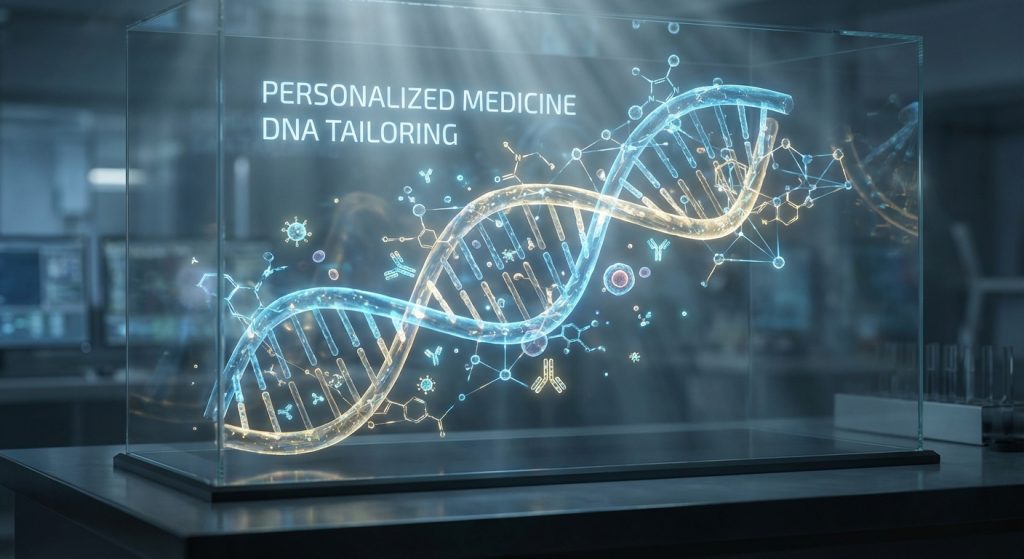
Cancer treatment is evolving. It’s becoming more precise. This shift is driven by understanding your unique genetic makeup. Personalized medicine uses your DNA to guide cancer therapies. Therefore, it offers a more tailored and effective approach. This means treatments can be better suited to your individual needs. As a result, it can lead to improved outcomes and fewer side effects.
For a long time, cancer treatments were one-size-fits-all. Doctors used standard protocols. These treatments aimed to kill cancer cells. However, they often affected healthy cells too. This caused significant side effects. Furthermore, these treatments were not always effective for everyone. This is because every cancer is unique. Even cancers of the same type can differ greatly.
Today, we have new tools. Genetic testing is a key part of this. It analyzes your DNA. Specifically, it looks for changes in your genes. These changes can cause cancer. They can also affect how cancer responds to treatment. This genetic information is invaluable. It allows doctors to make informed decisions. This leads to truly personalized cancer care.
Understanding Your Genetic Blueprint
Your DNA is like a unique instruction manual. It contains all the information that makes you, you. Genes are segments of DNA. They carry specific instructions. For example, some genes control cell growth. Others repair damaged DNA. When these genes mutate, they can lead to cancer. These mutations are like typos in the instruction manual. They can make cells grow uncontrollably.
Genetic testing for cancer involves analyzing these genes. Firstly, doctors look at the DNA of the tumor cells. This is called tumor profiling. It helps identify specific mutations driving the cancer. Secondly, they might analyze your germline DNA. This is the DNA inherited from your parents. It can reveal inherited predispositions to certain cancers. For instance, mutations in genes like BRCA1 and BRCA2 increase the risk of breast and ovarian cancers.
This detailed genetic information is crucial. It helps pinpoint the exact weaknesses of a tumor. Therefore, treatments can be designed to target these specific weaknesses. This is a significant departure from traditional chemotherapy. It moves towards a more targeted and less toxic approach.
Targeted Therapies: Hitting the Mark
Targeted therapies are a cornerstone of personalized medicine. They are drugs designed to attack specific molecules. These molecules are often found on cancer cells. Sometimes, they are involved in cancer cell growth. These therapies work differently than chemotherapy. They are often more precise. As a result, they can be more effective. They also tend to have fewer side effects. This is because they target cancer cells more directly.
For example, certain lung cancers have a specific gene mutation called EGFR. There are drugs that specifically target this mutation. These drugs block the signals that tell the cancer cells to grow. Therefore, they stop or slow down the cancer. Similarly, HER2-positive breast cancer can be treated with drugs like Trastuzumab. This drug targets the HER2 protein. This protein helps cancer cells grow. By blocking HER2, the drug inhibits cancer growth.
The development of these targeted therapies is ongoing. Researchers are constantly discovering new genetic targets. This means more treatment options are becoming available. Hence, the future of cancer treatment looks increasingly personalized.
Genomic Sequencing: A Deeper Dive
Genomic sequencing takes genetic analysis a step further. It maps out the entire DNA sequence of a tumor. This provides a comprehensive view of all genetic alterations. Therefore, it can uncover rare or unexpected mutations. These mutations might be treatable with existing drugs. Alternatively, they might point towards new drug development. High-throughput sequencing technologies have made this possible. They can analyze vast amounts of genetic data quickly and affordably.
For example, comprehensive genomic profiling (CGP) is used. It analyzes hundreds of cancer-related genes. It also looks at other genetic markers. These include gene rearrangements and biomarkers. These biomarkers can predict how a patient will respond to certain therapies. As a result, CGP helps identify patients who are most likely to benefit from specific treatments. This avoids unnecessary treatments and their associated toxicities.
Moreover, genomic sequencing can help predict prognosis. It can also identify potential resistance mechanisms. This is important. It allows oncologists to plan for future treatment adjustments. Therefore, it supports a dynamic and adaptive treatment strategy.
Immunotherapy and Your DNA
Immunotherapy is another exciting area. It harnesses the power of your own immune system. It helps the immune system recognize and attack cancer cells. Your DNA plays a role here too. For instance, your genes influence how your immune system functions. They also affect how tumors interact with the immune system.
Tumor mutational burden (TMB) is one such factor. It refers to the number of mutations in a tumor’s DNA. A higher TMB often means the tumor has more abnormal proteins. These proteins can be recognized by the immune system. Therefore, patients with high TMB tumors may respond better to certain immunotherapies. This is a key insight derived from DNA analysis.
Furthermore, genetic analysis can identify specific biomarkers. These biomarkers can predict response to immunotherapy. For example, PD-L1 expression is a protein. High levels of PD-L1 on tumor cells can indicate a better response to PD-1/PD-L1 inhibitors. Thus, understanding your DNA helps optimize immunotherapy selection.
Clinical Trials: Pushing the Boundaries
For many patients, personalized medicine opens doors to clinical trials. These trials test new drugs and treatment strategies. Genetic information is often used to select participants. Patients with specific genetic mutations may be ideal candidates for trials involving targeted therapies. This ensures they receive the most relevant and potentially beneficial new treatments.
Participating in a clinical trial can be a valuable option. It offers access to cutting-edge treatments. It also contributes to scientific advancement. Therefore, it helps develop future personalized therapies. Doctors often discuss trial options with patients. This discussion is informed by the patient’s genetic profile and cancer characteristics.
The goal is always to find the most effective treatment. Personalized medicine aims to achieve this with minimal harm. Clinical trials are essential for this ongoing quest. They are a vital part of the personalized medicine journey.
Challenges and the Future of Personalized Cancer Care
Despite its promise, personalized medicine faces challenges. Firstly, the cost of genetic testing and targeted therapies can be high. This can limit access for some patients. Secondly, interpreting complex genomic data requires specialized expertise. Therefore, collaboration between oncologists, geneticists, and bioinformaticians is essential.
Moreover, not all cancers have identified genetic targets yet. Research is ongoing to find these targets. Also, cancer can evolve. It can develop resistance to targeted therapies over time. Therefore, continuous monitoring and adaptation of treatment plans are necessary. This highlights the dynamic nature of cancer and its treatment.
Looking ahead, the future is bright. Advances in AI and machine learning are accelerating discovery. These technologies can analyze vast datasets. They can identify new patterns and targets. Furthermore, the integration of multiple data types, like genomics, proteomics, and clinical data, will provide a more holistic view. This will lead to even more precise and effective treatments. The ultimate goal is to make cancer a manageable or curable disease for everyone. This vision is becoming increasingly attainable through personalized medicine.
Frequently Asked Questions (FAQ)
What is personalized medicine in cancer treatment?
Personalized medicine, also known as precision medicine, tailors cancer treatments to an individual’s unique genetic makeup and the specific characteristics of their tumor. Instead of a one-size-fits-all approach, it uses genetic information to select the most effective therapies and minimize side effects.
How does DNA analysis help in cancer treatment?
DNA analysis, particularly tumor profiling, identifies specific genetic mutations within cancer cells. These mutations can drive cancer growth or affect how the cancer responds to drugs. Knowing these mutations allows doctors to choose targeted therapies that specifically attack those cancer cells or predict response to certain treatments like immunotherapy.
Are targeted therapies always effective?
Targeted therapies are often very effective for patients whose tumors have the specific genetic mutations they target. However, effectiveness can vary. Some cancers may not have identifiable targets, and tumors can develop resistance to targeted drugs over time. Therefore, ongoing research and monitoring are crucial.
Is genetic testing for cancer expensive?
The cost of genetic testing and targeted therapies can be significant. However, costs are decreasing as technology advances. Many insurance plans now cover genetic testing for cancer when medically appropriate. Discussing costs and coverage with your healthcare provider is important.
Can everyone benefit from personalized cancer treatment?
While personalized medicine offers significant advantages, its applicability depends on the availability of identified genetic targets and appropriate therapies for a specific cancer. For many cancers, it has revolutionized treatment. However, research is continuously expanding the scope and availability of personalized approaches.
In conclusion, personalized medicine represents a paradigm shift in cancer care. By leveraging the power of your DNA, treatments can be precisely tailored. This leads to more effective therapies and improved patient outcomes. As research progresses, the potential of personalized medicine to conquer cancer grows stronger. Therefore, understanding your genetic profile is becoming an essential part of your cancer treatment journey.
