
The “One Health” Approach: Preventing Pandemics Through Animal-Human Monitoring
Published on February 5, 2026 by Admin
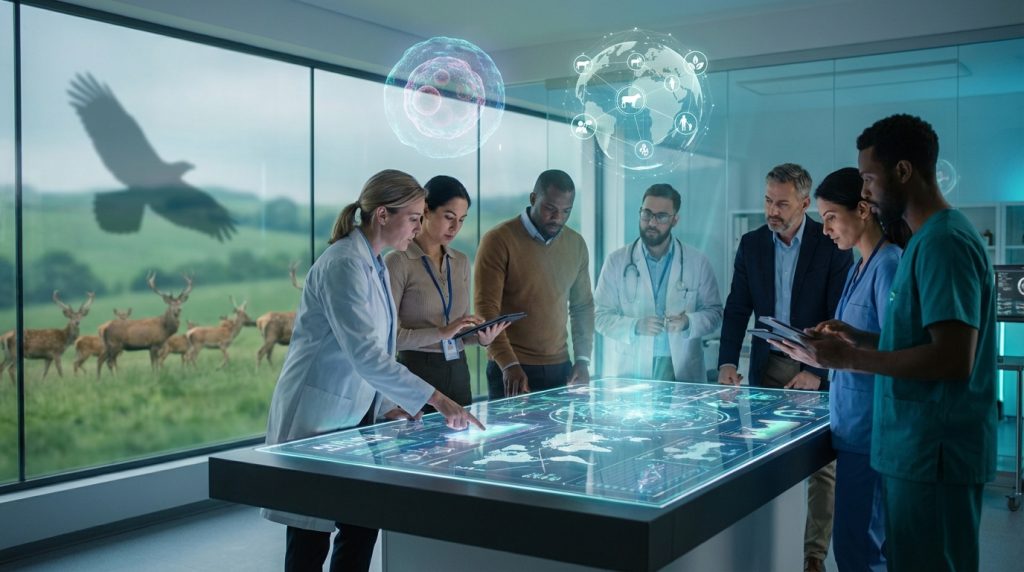
The world faces a constant threat from emerging infectious diseases. Many of these diseases originate in animals. They can then spread to humans. This is known as zoonotic spillover. Preventing future pandemics requires a new way of thinking. It demands a collaborative approach. This is where the “One Health” concept comes in. It recognizes the interconnectedness of animal, human, and environmental health. By monitoring these areas together, we can prevent diseases before they become widespread. Therefore, this integrated strategy is crucial for global health security.
Understanding the “One Health” Framework
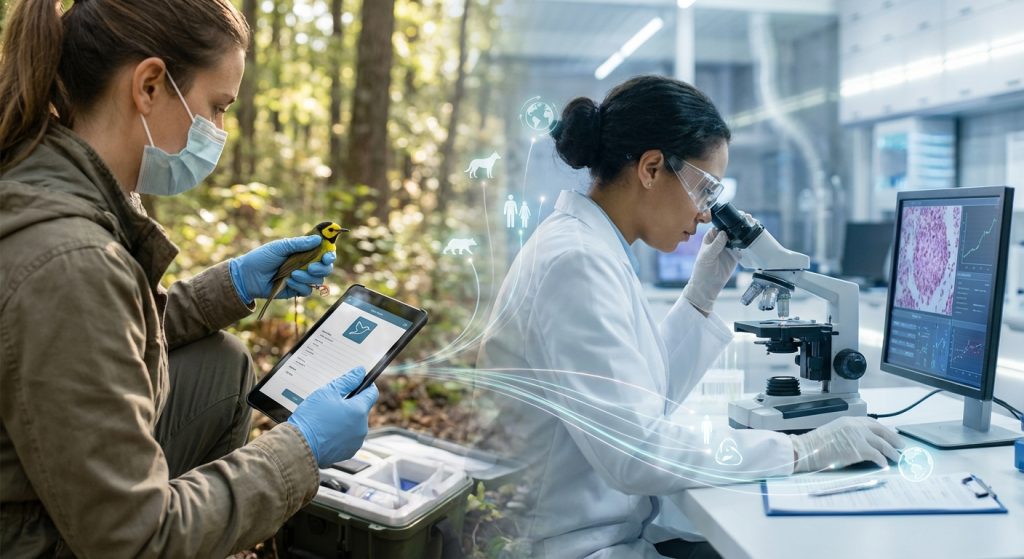
Firstly, the “One Health” approach is not new. It has roots in veterinary and public health. However, recent events have highlighted its critical importance. It brings together diverse professionals. This includes doctors, veterinarians, ecologists, and policymakers. They share information and expertise. This collaboration is vital for early detection. It also aids in rapid response to disease threats. Moreover, it addresses complex health challenges holistically. This ensures that no single aspect is overlooked.
Why Animal Monitoring is Key
Animals often act as sentinels for disease. Many pathogens circulate in animal populations without causing obvious illness. However, these pathogens can be dangerous to humans. For example, coronaviruses and influenza viruses frequently jump from animals. Monitoring wildlife and livestock is therefore essential. It helps us identify novel viruses or bacteria. Early detection in animals allows for intervention. This can prevent human exposure. Consequently, this proactive measure saves lives and resources.
Furthermore, changes in animal populations can signal environmental issues. Habitat loss or pollution can stress animal populations. This stress can make them more susceptible to disease. It can also increase the likelihood of spillover events. Therefore, monitoring animal health is a window into ecosystem health. It provides early warnings of potential public health crises.
The Interconnectedness of Health
The “One Health” model emphasizes that human health is not separate from animal or environmental health. Consider the impact of climate change. It can alter disease vectors. It can also change animal migration patterns. This can bring new diseases into closer contact with human populations. For instance, warming temperatures can expand the range of tick-borne illnesses. Therefore, understanding these environmental factors is crucial.
Similarly, agricultural practices play a role. Intensive farming can create environments where diseases spread quickly. This is especially true for livestock. Managing animal health on farms is thus a public health imperative. It reduces the risk of zoonotic diseases emerging. It also ensures food safety for consumers. This integrated approach is vital for sustainable agriculture.
Bridging the Gaps: Collaboration in Action
Effective “One Health” implementation requires breaking down traditional silos. Public health officials must work closely with veterinarians. They need to share data and coordinate surveillance efforts. This collaboration is not always easy. It requires common goals and mutual understanding. However, the rewards are immense. For example, joint task forces can investigate outbreaks more effectively. They can identify the source quickly. Then, they can implement control measures across species.
Moreover, policy and funding must support this integrated approach. Governments need to invest in cross-sectoral training. They should also fund joint research projects. This will build the capacity for effective “One Health” initiatives. Without sustained support, these efforts will falter. Thus, policy integration is paramount.
Surveillance and Early Warning Systems
A cornerstone of the “One Health” approach is robust surveillance. This involves monitoring disease patterns in humans, animals, and the environment. Advanced technologies are playing a significant role. For instance, genomic sequencing allows us to track pathogen evolution rapidly. This helps us understand how viruses and bacteria change. It also helps us identify new variants. AI-powered systems can analyze vast datasets. This helps in predicting potential outbreaks. Such advancements are transforming public health.
Furthermore, wastewater surveillance has emerged as a powerful tool. It can detect pathogens in a community before widespread clinical cases are reported. This offers an early warning system. This is true for both human and animal populations. Integrating data from various sources provides a comprehensive picture. It allows for timely interventions.
Technological Innovations in Monitoring
Technology offers new avenues for monitoring. Drones can monitor livestock health remotely. This reduces the need for direct contact. It also allows for widespread coverage. Wearable biosensors are also emerging. They can track health metrics in both humans and animals. This provides real-time data. Such innovations are crucial for proactive disease management. They enable continuous monitoring. This is far more effective than reactive measures. For example, drone monitoring is revolutionizing livestock health management.
Additionally, AI-powered tools are becoming indispensable. They can analyze complex data patterns. They help identify subtle signs of disease. This is true for both human and animal populations. For instance, AI can detect early signs of disease in animal vocalizations. This offers a non-invasive monitoring method. It is also helpful in identifying pathogens quickly.
Challenges and Opportunities
Despite its clear benefits, the “One Health” approach faces challenges. Data sharing between different sectors can be difficult. Different regulatory frameworks and privacy concerns exist. Building trust and fostering collaboration across disciplines takes time. Furthermore, securing adequate and sustained funding is a perennial issue. Many health initiatives are siloed. This hinders the integrated approach needed for “One Health”.
However, the opportunities are immense. A truly integrated system can save billions of dollars. It can prevent untold human suffering. It can also protect biodiversity. Moreover, it can contribute to more sustainable food systems. The “One Health” paradigm offers a pathway to a healthier planet for all. It is an investment in our collective future. The insights gained from monitoring animal populations can also inform broader ecological strategies. For example, understanding bioacoustics can help us understand animal behavior and ecosystem health.
Building a Resilient Future
Preventing pandemics requires a global commitment. It demands a shift from reactive to proactive measures. The “One Health” approach is central to this shift. It empowers us to anticipate threats. It allows us to act before diseases spread uncontrollably. By embracing collaboration and innovation, we can build a more resilient future. This future is one where animal, human, and environmental health are protected together. Ultimately, this holistic view is our best defense against the next global health crisis. It is about safeguarding our shared planet.
Frequently Asked Questions (FAQ)
What is the primary goal of the “One Health” approach?
The primary goal is to prevent pandemics and other health threats by recognizing and addressing the interconnectedness of human, animal, and environmental health. It focuses on early detection, prevention, and rapid response to emerging diseases.
Why is monitoring animal health crucial for preventing pandemics?
Animals often act as reservoirs for pathogens that can jump to humans (zoonotic diseases). Monitoring animal health allows for the early detection of novel viruses or bacteria before they can spread to human populations.
What are some examples of professions involved in the “One Health” approach?
Professions include medical doctors, veterinarians, epidemiologists, ecologists, public health officials, wildlife biologists, and policymakers. Collaboration among these diverse groups is key.
How does environmental health relate to “One Health”?
Environmental factors like climate change, pollution, and habitat destruction can stress animal populations, making them more susceptible to diseases and increasing the risk of spillover events to humans. A healthy environment is fundamental to overall health.
What are some technological advancements supporting “One Health”?
Key advancements include genomic sequencing for pathogen tracking, AI for data analysis and prediction, drone technology for remote monitoring, and wastewater surveillance for early warning systems. These tools enhance our ability to monitor and respond.
