
Bio-Wearables: Real-Time Cortisol Monitoring Unveiled
Published on February 5, 2026 by Admin
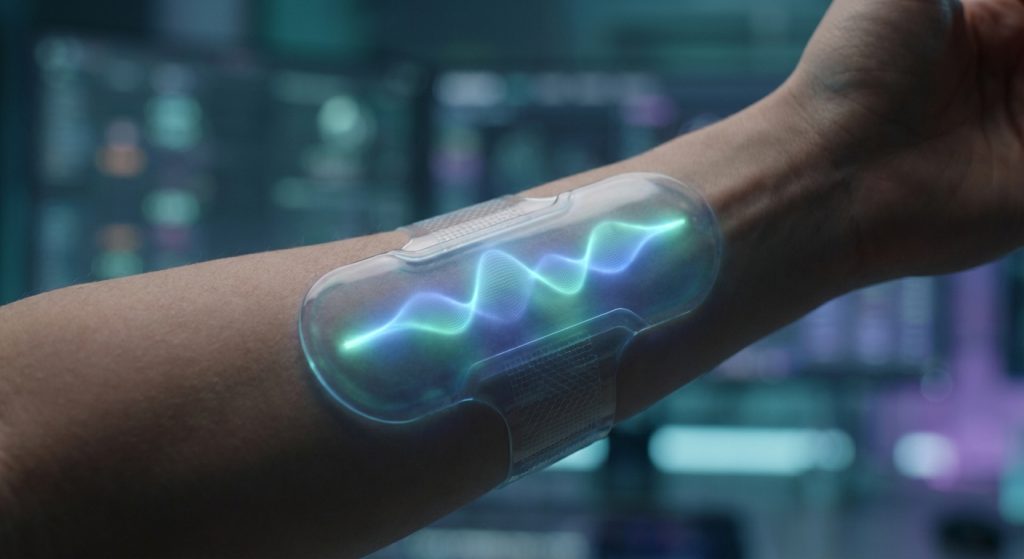
In today’s fast-paced world, stress is a constant companion. Understanding and managing it is crucial for overall well-being. Now, cutting-edge technology offers a new way to do just that. Bio-wearables are emerging as powerful tools. They can monitor your cortisol levels in real-time. This opens up a new frontier in personalized health. Fitness tech enthusiasts will find this development fascinating.
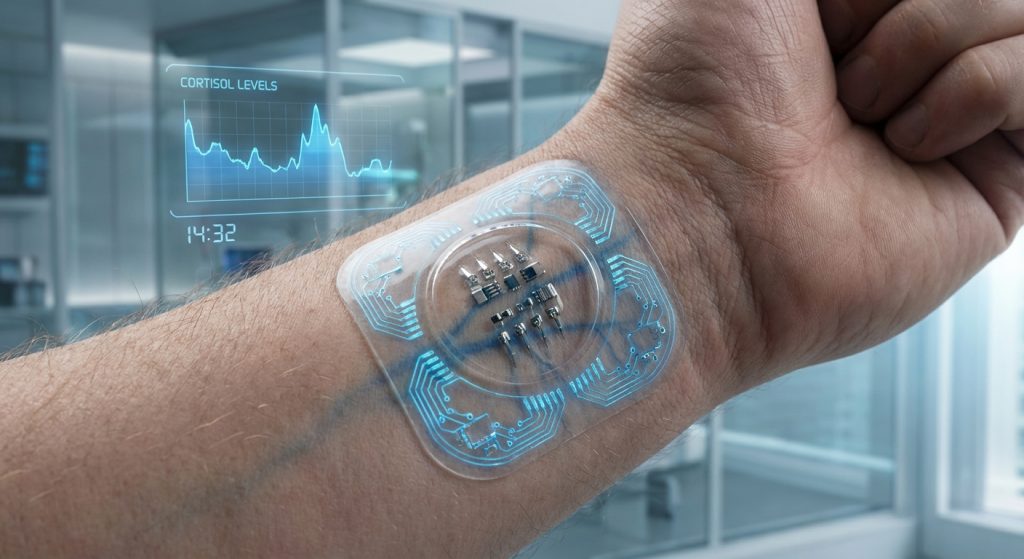
What Are Bio-Wearables?
Bio-wearables are devices worn on the body. They collect biological data. This can include heart rate, sleep patterns, and even body temperature. The goal is to provide insights into your health. Many existing wearables focus on physical activity. However, the latest advancements are looking deeper. They are delving into physiological markers of stress.
The Science of Cortisol
Cortisol is often called the “stress hormone.” It plays a vital role in your body. Cortisol helps regulate many functions. These include your immune system. It also manages blood sugar levels. Furthermore, it influences metabolism. When you experience stress, your body releases cortisol. Short-term stress can be beneficial. It helps you react and adapt. However, chronic stress leads to prolonged high cortisol levels. This can have detrimental effects on your health. These can include weight gain, sleep problems, and weakened immunity. Therefore, monitoring cortisol is key to managing stress.
Why Monitor Cortisol in Real-Time?
Traditionally, cortisol levels are measured through blood tests. These provide a snapshot at a single point in time. Saliva and urine tests offer a slightly broader view. However, they still don’t capture the dynamic nature of cortisol. Stress is not constant. It fluctuates throughout the day. Real-time monitoring allows for a more accurate picture. It shows how your body responds to daily events. This includes work, social interactions, and even exercise. Understanding these fluctuations is powerful. It allows for targeted interventions.
How Do Bio-Wearables Measure Cortisol?
This is where the innovation truly lies. Developing non-invasive cortisol sensors is challenging. However, researchers are making significant progress. Several approaches are being explored:
Electrochemical Sensors
Some wearables use electrochemical sensors. These detect specific biomarkers in sweat. Cortisol is one such biomarker. The device analyzes the sweat produced by your skin. It then quantifies the cortisol present. This method is promising for continuous monitoring. It is also less invasive than traditional methods.
Microneedle Patches
Another approach involves microneedle patches. These are worn on the skin. Tiny needles penetrate the outer skin layer. They collect interstitial fluid. This fluid contains cortisol. The patch then transmits the data. While slightly more invasive, they offer high accuracy. They are also designed for comfort.
Optical Biosensors
Advanced optical biosensors are also under development. These use light to detect chemical changes. They can potentially identify cortisol molecules. This technology is still in its early stages. However, it holds great promise for future wearables.
Benefits for Fitness Tech Lovers
For those passionate about fitness tech, bio-wearables for cortisol monitoring offer immense benefits:
- Optimized Training: High cortisol levels can impair muscle recovery. Understanding your stress response can help you adjust training intensity. This prevents overtraining and promotes better gains.
- Improved Sleep Quality: Cortisol significantly impacts sleep. Real-time data can reveal how daily stressors affect your sleep. This allows for better sleep hygiene strategies.
- Enhanced Recovery: Stress can hinder your body’s ability to recover. Monitoring cortisol helps identify when your body needs rest. This is crucial for athletes and fitness enthusiasts alike.
- Personalized Stress Management: You gain direct insight into your stress triggers. This empowers you to make informed lifestyle changes. It’s about proactive health management.
- Holistic Health Tracking: These wearables integrate with existing fitness apps. They provide a more complete picture of your health. This goes beyond just steps and calories.
Challenges and Future Directions
Despite the exciting advancements, challenges remain. Accuracy is paramount. Ensuring these wearables provide reliable data is critical. Calibration and external factors can affect readings. Furthermore, consumer adoption depends on ease of use. The price point also needs to be accessible. The future looks bright, though. Continued research is refining sensor technology. Miniaturization and improved algorithms are key. We can expect more sophisticated and affordable devices soon. The integration with AI will also unlock deeper insights. For example, AI could predict stress responses before they become overwhelming. This could revolutionize how we approach health and wellness.
The link between stress and overall health is undeniable. Understanding your body’s cortisol response is a significant step. Bio-wearables are making this understanding more accessible than ever. They empower individuals to take control of their well-being. As this technology evolves, it will undoubtedly reshape the landscape of personalized health and fitness.
Frequently Asked Questions
Can I buy a cortisol-monitoring wearable today?
While the technology is rapidly advancing, consumer-grade wearables with direct, continuous cortisol monitoring are still emerging. Some research-grade devices and patches are available, but widespread commercial availability for the general public is still developing.
How accurate are current bio-wearable cortisol sensors?
Accuracy is a primary focus of ongoing research and development. Early devices and prototypes show promise, but rigorous clinical validation is still needed for widespread commercial use. Factors like sweat rate, skin condition, and environmental temperature can influence readings.
What are the long-term health risks of high cortisol?
Chronic high cortisol levels are linked to numerous health issues. These include weight gain, particularly around the abdomen. They can also lead to high blood pressure, increased risk of diabetes, sleep disturbances, and weakened immune function. Furthermore, prolonged stress can negatively impact mental health, leading to anxiety and depression.
How does stress affect my fitness goals?
Stress, indicated by elevated cortisol, can hinder fitness progress in several ways. It can slow muscle recovery, increase fat storage, disrupt sleep patterns essential for repair, and reduce motivation. Managing stress is therefore as important as your training and nutrition for achieving optimal fitness results.
Are there other ways to monitor stress besides cortisol?
Yes, absolutely. Many wearables already track heart rate variability (HRV), which is a good indicator of the balance between your sympathetic and parasympathetic nervous systems, reflecting stress levels. Sleep quality, breathing patterns, and even skin conductance can also provide insights into your stress state.
