
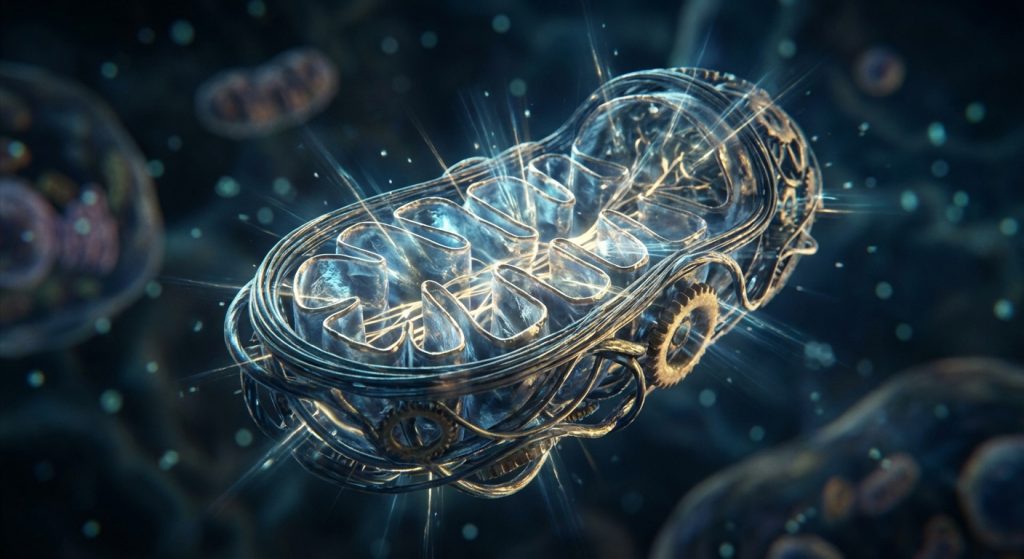
Mitochondria are vital. They are the powerhouses of our cells. They generate most of the cell’s supply of adenosine triphosphate (ATP). ATP is used as a source of chemical energy. Without healthy mitochondria, our cells cannot function properly. This impacts our overall health and longevity.
The Crucial Role of Mitochondria
Think of mitochondria as tiny engines within each cell. They take in nutrients. Then, they convert these nutrients into energy. This energy powers everything we do. It fuels our muscles. It powers our brains. It supports all cellular processes. Therefore, mitochondrial health is directly linked to our vitality.
As we age, mitochondrial function can decline. This decline is a hallmark of aging. It contributes to many age-related diseases. Understanding this connection is key for biohackers and researchers. It opens doors to new longevity strategies.
Mitochondrial Dysfunction and Aging
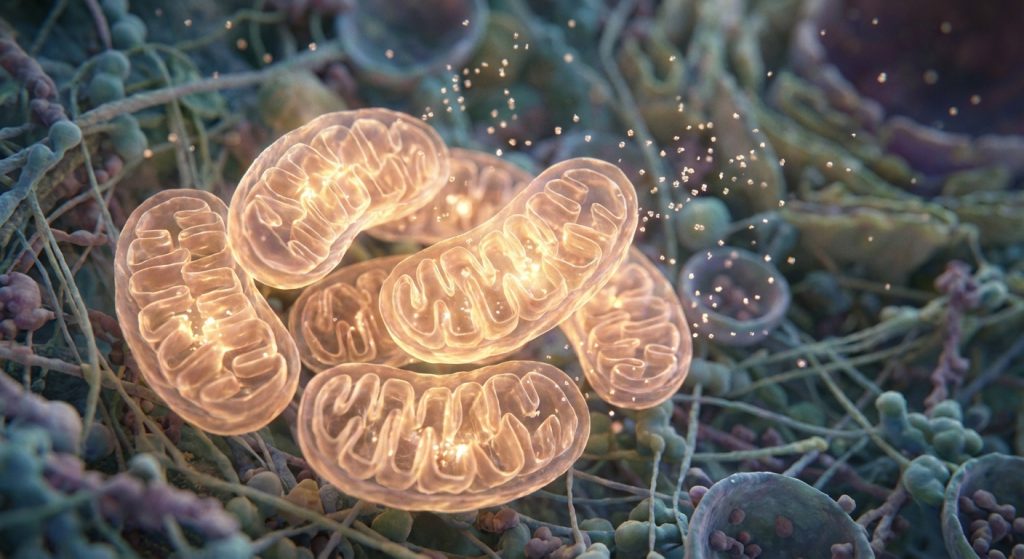
Several factors can lead to mitochondrial dysfunction. These include oxidative stress. They also include inflammation. Furthermore, genetic factors play a role. Lifestyle choices are significant. Poor diet, lack of exercise, and exposure to toxins can all harm mitochondria. Consequently, this leads to reduced energy production.
Damaged mitochondria can also produce harmful byproducts. These are called reactive oxygen species (ROS). ROS can damage other cellular components. This creates a vicious cycle. It accelerates the aging process. It also increases the risk of chronic diseases.
Signs of Mitochondrial Dysfunction
Recognizing the signs is the first step. Many symptoms point to compromised mitochondrial health. Fatigue is a common one. This is because cells lack sufficient energy. Muscle weakness can also occur. Cognitive issues, like brain fog, are another sign. Additionally, increased susceptibility to infections can happen.
Digestive problems are also linked. This is due to the high energy demands of the gut. Heart problems can arise too. The heart muscle has very high energy needs. Therefore, it is particularly sensitive to mitochondrial issues. Heart health is intricately tied to cellular energy production.
Specific Symptoms to Watch For
- Persistent fatigue, even after rest.
- Unexplained muscle aches or weakness.
- Difficulty concentrating or memory problems.
- Frequent illnesses or slow recovery.
- Digestive discomfort or bloating.
- Sensory issues, like hearing loss or vision problems.
These symptoms are not exclusive to mitochondrial dysfunction. However, they warrant attention. They can indicate underlying issues. Investigating mitochondrial health can be beneficial.
Strategies to Boost Mitochondrial Health
Fortunately, there are many ways to support and improve mitochondrial function. Lifestyle interventions are powerful. They offer sustainable benefits. Biohacking offers advanced techniques. Research is constantly uncovering new methods.
Nutrition for Mitochondrial Power
Diet plays a critical role. Certain foods are particularly beneficial. Antioxidant-rich foods protect mitochondria from damage. These include berries, leafy greens, and nuts. Coenzyme Q10 (CoQ10) is vital. It is found in organ meats, fatty fish, and whole grains. Magnesium is also essential. It is involved in energy production. Good sources include dark chocolate, avocados, and seeds. A diet rich in magnesium supports cellular energy.
Avoiding processed foods is also crucial. They often contain inflammatory ingredients. They can also lack essential nutrients. Therefore, focusing on whole, unprocessed foods is key. This supports overall cellular health.
Exercise and Mitochondrial Biogenesis
Regular physical activity is a potent stimulator. Exercise promotes mitochondrial biogenesis. This is the creation of new mitochondria. High-intensity interval training (HIIT) is particularly effective. It challenges the body. This signals the need for more energy. Consequently, more mitochondria are produced. HIIT is a great option.
Endurance exercise also builds mitochondrial capacity. It improves their efficiency. Therefore, a combination of both is ideal. Aim for consistency. Listen to your body. Avoid overtraining, as this can cause stress.
The Role of Fasting and Autophagy
Intermittent fasting can trigger autophagy. Autophagy is the cell’s cleanup process. It removes damaged mitochondria. This allows for the creation of new, healthy ones. This process is vital for cellular rejuvenation. Fasting and autophagy are powerful tools.
Different fasting protocols exist. These include time-restricted eating. They also include alternate-day fasting. It is important to find a sustainable approach. Consulting a healthcare professional is recommended.
Supplementation for Mitochondrial Support
While diet and exercise are primary, supplements can help. CoQ10 is a popular choice. It is crucial for energy production. Acetyl-L-carnitine is another. It helps transport fatty acids into mitochondria. Alpha-lipoic acid is a potent antioxidant. It protects mitochondria from oxidative stress. PQQ (pyrroloquinoline quinone) is also gaining attention. It may promote the growth of new mitochondria.
It is vital to choose high-quality supplements. Consult with a healthcare provider. They can advise on appropriate dosages. Personalized supplementation is often best. Smart supplement stacking can optimize results.
Mitochondria and Specific Health Conditions
Mitochondrial dysfunction is implicated in many diseases. This includes neurodegenerative disorders. Parkinson’s and Alzheimer’s are examples. Chronic fatigue syndrome is often linked. Metabolic disorders, like type 2 diabetes, are also connected. Heart disease is another significant area. Cancer development and progression can be influenced by mitochondrial function.
Neurodegenerative Diseases
Brain cells have high energy demands. Thus, they are very susceptible to mitochondrial issues. When mitochondria falter, neurons can die. This leads to conditions like Alzheimer’s and Parkinson’s. Therefore, protecting mitochondrial health is crucial for brain longevity. Mental health longevity research often focuses on this.
Metabolic Health and Diabetes
Mitochondria are central to metabolism. They regulate how we use fuel. Dysfunctional mitochondria can lead to insulin resistance. This is a precursor to type 2 diabetes. Improving mitochondrial function can enhance insulin sensitivity. It also improves metabolic flexibility.
Aging and Longevity Research
Mitochondria are at the forefront of aging research. Scientists are exploring ways to enhance mitochondrial function. This could slow down the aging process. It might also increase healthspan. Longevity research often targets mitochondrial health. This includes interventions like caloric restriction and certain compounds.
Future Directions in Mitochondrial Research
The field is rapidly evolving. Researchers are developing new diagnostic tools. They are also creating novel therapeutic strategies. Gene therapy is a promising area. It aims to correct genetic defects affecting mitochondria. Mitochondrial transplantation is another frontier. This involves replacing damaged mitochondria with healthy ones.
Understanding the complex interplay between mitochondria and other cellular components is key. The microbiome, for instance, influences mitochondrial health. Gut microbiome resilience is increasingly recognized as important.
Frequently Asked Questions
What are mitochondria?
Mitochondria are organelles found in eukaryotic cells. They are often called the “powerhouses” of the cell. This is because they generate most of the cell’s supply of ATP.
How does aging affect mitochondria?
As we age, mitochondrial function tends to decline. This can lead to reduced energy production and increased oxidative stress, contributing to age-related diseases and the aging process itself.
Can I improve my mitochondrial health?
Yes, you can significantly improve mitochondrial health. Key strategies include a healthy diet, regular exercise (especially HIIT), intermittent fasting, and potentially targeted supplements. Lifestyle changes are very impactful.
What are the signs of mitochondrial dysfunction?
Common signs include persistent fatigue, muscle weakness, cognitive issues like brain fog, digestive problems, and increased susceptibility to infections. These symptoms can be varied and non-specific.
Are there any supplements that help mitochondria?
Yes, several supplements are known to support mitochondrial health. These include Coenzyme Q10 (CoQ10), Acetyl-L-Carnitine, Alpha-Lipoic Acid, and PQQ. Always consult a healthcare professional before starting new supplements.
Conclusion
Mitochondria are fundamental to life. They are the engines that power our cells. Their health is paramount for energy, vitality, and longevity. By understanding their role, we can implement strategies. These strategies empower us to optimize our cellular energy. This leads to better health and a slower aging process. Continued research promises even more advanced interventions. Therefore, prioritizing mitochondrial health is a cornerstone of modern biohacking and longevity science.
