
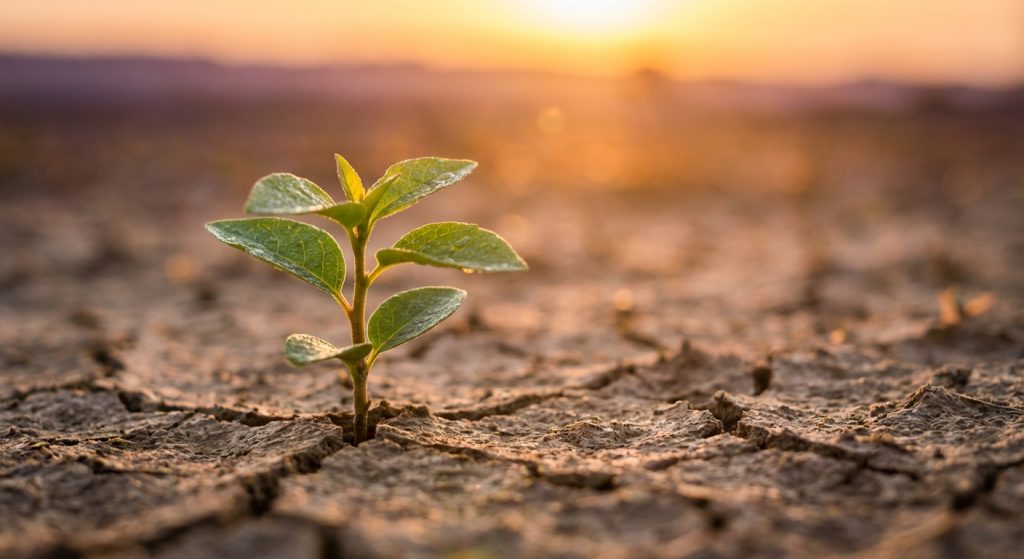
Are you looking for ways to live longer and feel healthier? Do you want to perform better, both mentally and physically? The answer might surprise you. It’s not about avoiding all stress. In fact, controlled exposure to certain stressors can actually benefit us. This concept is called hormesis. It suggests that small doses of something harmful can be beneficial. This applies to things like heat, cold, exercise, and even certain dietary restrictions. Let’s explore how these small stresses can lead to a longer, more vibrant life.
What is Hormesis?
Hormesis is a biological phenomenon. It describes a dose-response relationship. Low doses of a stimulus are beneficial. However, higher doses are harmful. Think of it as a U-shaped curve. On one side, you have too little. This offers no benefit. On the other side, you have too much. This causes damage. The sweet spot is in the middle. It’s where the beneficial effects occur.
This concept is ancient. It’s often summarized by the saying, “What doesn’t kill you makes you stronger.” While not entirely accurate, it captures the essence. Hormesis applies to many biological systems. It’s a key principle in understanding how our bodies adapt and thrive. It’s also a fundamental aspect of aging and longevity. For longevity seekers and athletes, understanding hormesis is crucial. It offers practical strategies for improving health and performance.
The Science Behind Hormesis
At its core, hormesis works by activating our body’s defense mechanisms. When faced with a mild stressor, our cells respond. They initiate repair processes. They also strengthen their ability to cope with future challenges. This is known as adaptive stress response.
For instance, when exposed to cold, our bodies work harder to stay warm. This can boost metabolism. It also triggers the production of brown adipose tissue. This “good” fat helps burn calories. Similarly, heat exposure can induce heat shock proteins. These proteins protect cells from damage. They also aid in protein repair.
Exercise is another prime example. It’s a physical stressor. It causes microscopic tears in muscle fibers. However, the body repairs these tears. This makes muscles stronger and more resilient. This process is fundamental to athletic performance. It also contributes to overall health and longevity. The cellular pathways involved are complex. They often involve antioxidant defenses and anti-inflammatory responses. These pathways help protect us from cellular damage. This damage is a hallmark of aging.
Cold Exposure: A Chilling Path to Longevity
Cold exposure is a popular hormetic practice. This includes activities like cold showers, ice baths, and even swimming in cold water. When your body encounters cold, several things happen.
- Metabolic Boost: Your body activates brown fat. This helps burn calories to generate heat. This can improve metabolic health.
- Reduced Inflammation: Cold can constrict blood vessels. This helps reduce swelling and inflammation. This is beneficial for athletes recovering from workouts.
- Improved Mood: Cold exposure can stimulate the release of endorphins. These are natural mood boosters. It can also increase alertness.
- Mitochondrial Health: Studies suggest cold exposure can improve mitochondrial function. Mitochondria are the powerhouses of our cells. Better mitochondrial health is linked to longevity. You can learn more about mitochondrial health and energy flow here.
Many athletes use cold therapy for recovery. However, the benefits extend to general health. Consistency is key. Starting with short durations is advisable. Gradually increase your exposure time. Remember, extreme cold can be dangerous. Always prioritize safety.
Heat Exposure: Embracing the Burn for Health
Conversely, heat exposure also has hormetic benefits. This is most commonly achieved through saunas.
- Heat Shock Proteins: Saunas induce heat shock proteins. These proteins protect cells from stress. They also help repair damaged proteins.
- Cardiovascular Health: The heat increases your heart rate. It mimics the effects of moderate exercise. This can improve cardiovascular function.
- Detoxification: Sweating is your body’s natural way to eliminate toxins. Saunas enhance this process.
- Improved Insulin Sensitivity: Some research suggests regular sauna use can improve insulin sensitivity. This is important for metabolic health.
Regular sauna sessions can be deeply relaxing. They can also improve skin health by opening pores. Similar to cold exposure, moderation is important. Avoid overheating. Stay hydrated. It’s a powerful tool for both relaxation and physiological enhancement. You can explore the benefits of infrared saunas and their detoxification benefits in more detail.
Exercise: The Ultimate Hormetic Stressor
Exercise is perhaps the most well-known hormetic stressor. It’s essential for physical health. It also plays a significant role in longevity. When you exercise, you stress your body. Your muscles experience micro-tears. Your cardiovascular system works harder. Your energy systems are challenged.
However, your body adapts. It repairs the muscle damage, making them stronger. Your heart and lungs become more efficient. Your body becomes better at using energy. This adaptation process is hormesis in action. It leads to increased strength, endurance, and resilience.
Different types of exercise offer different hormetic benefits. High-intensity interval training (HIIT) provides a significant stress. This can lead to rapid improvements. However, it requires adequate recovery. Resistance training builds muscle mass. This is crucial for maintaining metabolism and mobility as we age. Endurance training improves cardiovascular health. It enhances our ability to sustain effort over long periods. The key is finding a balance. Overtraining can be detrimental. It leads to injury and burnout. Thus, proper rest and recovery are as important as the training itself. You can learn more about active recovery and stretching routines to complement your training.
Fasting: Eating Less to Live More
Fasting, particularly intermittent fasting, is another hormetic practice. It involves cycling between periods of eating and voluntary fasting. When you fast, your body enters a different metabolic state.
- Autophagy: This is a cellular clean-up process. Fasting triggers autophagy. During autophagy, cells remove damaged components. This is vital for cellular health and longevity.
- Improved Insulin Sensitivity: Fasting can improve how your body responds to insulin. This helps regulate blood sugar levels.
- Reduced Inflammation: Fasting has been shown to reduce markers of inflammation in the body.
- Metabolic Switching: During fasting, your body switches from using glucose for energy to using stored fat. This promotes fat loss and improves metabolic flexibility.
Intermittent fasting comes in various forms. Popular methods include the 16/8 method (16 hours fasting, 8 hours eating) and the 5:2 diet (eating normally for five days, restricting calories on two). It’s important to approach fasting carefully. It is not suitable for everyone. Consult a healthcare professional before starting. Understanding intermittent fasting and metabolic health is a good starting point.
Other Hormetic Stressors
Beyond cold, heat, exercise, and fasting, other stressors can also exhibit hormetic effects.
- Caloric Restriction: Similar to fasting, consuming fewer calories over the long term can activate cellular defense mechanisms.
- Certain Phytochemicals: Compounds found in plants, like sulforaphane in broccoli or resveratrol in grapes, can act as mild stressors. They trigger protective responses in our cells.
- Mental Challenges: Learning new skills or engaging in mentally stimulating activities can also be considered a form of hormesis. They build cognitive resilience.
However, it is crucial to distinguish between beneficial hormetic stressors and chronic, overwhelming stress. Chronic stress, such as that from a demanding job or difficult relationships, is detrimental. It can lead to disease and premature aging. Hormesis relies on controlled, intermittent exposure. It allows the body to adapt and become stronger. Chronic stress, on the other hand, overwhelms these adaptive systems.
Hormesis for Longevity Seekers
For individuals focused on longevity, hormesis offers a proactive approach. Instead of solely focusing on avoiding harm, it embraces controlled challenges. This strategy aims to enhance the body’s inherent resilience. It promotes cellular repair and slows down the aging process.
By incorporating practices like cold plunges, regular sauna use, varied exercise routines, and mindful fasting, one can stimulate these hormetic pathways. The goal is to build a more robust and adaptable biological system. This can lead to increased healthspan and lifespan. It’s about living not just longer, but better. You can explore the broader concept of biohacking for human longevity to further enhance your journey.
Hormesis for Athletes
Athletes can significantly benefit from understanding hormesis. Controlled stress from training is fundamental to performance improvement. However, optimizing recovery is equally vital. Cold therapy, for example, aids muscle repair and reduces inflammation after intense workouts. Heat therapy can improve cardiovascular conditioning and flexibility.
Fasting, when managed correctly, can improve metabolic flexibility. This allows athletes to utilize fuel sources more efficiently. Mental challenges, such as learning new sport-specific skills or adapting to different competition environments, also build resilience. Ultimately, hormesis helps athletes push their limits safely. It enhances their ability to recover and adapt. This leads to sustained peak performance and injury prevention.
Potential Risks and Considerations
While hormesis offers many benefits, it’s not without risks. The key lies in the dose and the individual’s capacity to adapt. Exceeding the optimal dose can lead to harm rather than benefit.
- Overexertion: Pushing too hard in exercise without adequate rest can lead to injury and chronic fatigue.
- Extreme Temperatures: Prolonged exposure to extreme cold or heat can be dangerous. Hypothermia, hyperthermia, and frostbite are serious risks.
- Fasting Contraindications: Certain medical conditions, such as eating disorders or diabetes, may make fasting unsafe.
Always listen to your body. Start slowly and gradually increase intensity or duration. Consult with healthcare professionals or qualified coaches. They can help you tailor hormetic practices to your individual needs and health status. It’s also important to recognize that not all stress is beneficial. Chronic, unmanageable stress is harmful. Therefore, balancing hormetic stressors with periods of rest and recovery is essential.
Conclusion: Embracing Stress for a Better Life
Hormesis teaches us a valuable lesson. Controlled exposure to mild stressors can make us stronger, healthier, and live longer. By strategically incorporating practices like cold and heat exposure, varied exercise, and intermittent fasting, we can activate our body’s natural resilience mechanisms. This approach moves beyond simply avoiding challenges. It actively seeks them out in a controlled manner. This builds robust health and enhances longevity.
For both longevity seekers and athletes, hormesis offers a powerful framework. It’s a way to optimize our physiology. It helps us adapt better to life’s demands. By understanding and applying the principles of hormesis, we can unlock our body’s full potential. We can pave the way for a longer, more vital, and more fulfilling life.
Frequently Asked Questions (FAQ)
Is hormesis suitable for everyone?
Hormesis can be beneficial for many, but it’s not universally suitable. Individuals with certain chronic health conditions, pregnant women, or the elderly should consult a doctor before implementing hormetic practices. The key is to find the right “dose” and type of stressor for your individual capacity.
How quickly can I expect to see benefits from hormetic practices?
Benefits vary greatly depending on the practice, consistency, and individual factors. Some athletes notice immediate recovery benefits from cold therapy. Others may take weeks or months to experience more subtle, long-term health improvements from practices like intermittent fasting or regular sauna use. Consistency is key.
Can I combine different hormetic stressors?
Yes, combining different hormetic stressors can be very effective. For example, an athlete might use cold therapy for recovery after a resistance training session. However, it’s important not to overdo it. Ensure adequate rest between intense stressors to allow your body to adapt and recover properly. Always prioritize listening to your body.
What is the difference between hormesis and chronic stress?
Hormesis involves short-term, controlled exposure to stressors that stimulate adaptive responses. Chronic stress, on the other hand, is prolonged and overwhelming. Chronic stress depletes your body’s resources, leading to inflammation, disease, and premature aging. Hormesis builds resilience; chronic stress breaks it down.
Are there any supplements that mimic hormetic effects?
Some compounds found in nature, like certain plant-derived antioxidants (e.g., sulforaphane, resveratrol), can trigger mild stress responses that activate cellular defenses. However, these are not a replacement for direct physical or environmental stressors. They can be complementary. It’s always best to get these compounds from whole foods when possible.
