
The Secret Life of Feline Microbiomes: Optimizing Gut Health
Published on December 25, 2025 by Admin
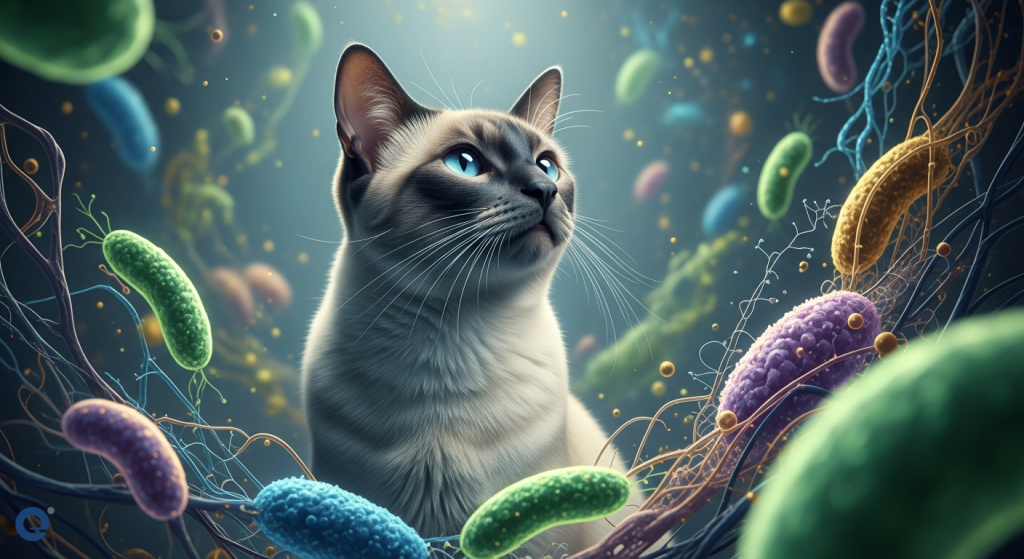
Hippocrates, the ancient Greek physician, famously declared, “all disease begins in the gut.” This profound statement, made over two millennia ago, is now being echoed by modern science. Indeed, increasing evidence highlights the vital role the gut, and specifically the microbiome, plays in the overall well-being of our feline companions.
The gut microbiome is a complex ecosystem. It comprises trillions of bacteria, viruses, fungi, and other microorganisms. These tiny inhabitants live within the intestinal tract. They work together to maintain health. This intricate balance is crucial for both physical and mental health.
Understanding the Feline Microbiome
The term “gut microbiome” refers to this vast community of microorganisms. While some microbes can be harmful, many are incredibly beneficial. They are even necessary for a healthy body. A kitten’s microbiome is initially shaped by genetics. However, external factors quickly come into play.
Factors such as diet, environment, lifestyle, and medications significantly influence it. Antibiotics, in particular, can deplete beneficial gut bacteria. Therefore, each cat possesses a uniquely individual microbial profile. Keeping these organisms in optimal balance is key to their well-being.
Simply put, when the good and bad microorganisms are in harmony, cats thrive. Conversely, when they are out of balance, their health can suffer. This delicate equilibrium is the secret to true gut health.
The Benefits of a Healthy Digestive System & Microbiome
Scientists and veterinarians are still exploring the full impact of the gut microbiome. However, its key role in a cat’s overall health is widely accepted. It influences digestive tract function. It also affects nutrient absorption and immune status. Furthermore, it impacts body condition and important hormonal responses.
Optimal Digestion and Nutrient Absorption
A healthy microbiome requires sufficient nourishment to thrive. These microorganisms break down undigested food components, like dietary fiber. They convert these into smaller elements. These elements then act as additional fuel for the cat’s body. As a result, improved nutrient absorption means more nutrients from food are utilized.
This leads to regular, healthy, and firm stools. This is a clear indicator of a well-functioning digestive system. The cat’s body can effectively process and absorb the nutrients it needs.
Immune Health Support
A remarkable 70% of a cat’s immune system resides within its digestive system. Therefore, a healthy microbial balance is paramount for optimal immune function. A strong, diverse microbiome makes it harder for harmful bacteria to colonize and cause illness.
This robust defense system is vital for keeping cats healthy and resilient. It’s a cornerstone of their overall vitality.
Vitamin Production
Beneficial bacteria within the microbiome play a crucial role in synthesizing essential vitamins. These include B vitamins, such as B12, thiamine, and riboflavin. Additionally, they produce Vitamin K. These micronutrients are vital for supporting overall health and well-being.
These vitamins are critical for numerous metabolic processes. They contribute to energy production and cellular repair.
Healthy Skin and Coat
Maintaining a balanced microbiome helps protect against excessive inflammation. This can manifest as itchy or irritated skin. When combined with a diet rich in high-quality animal proteins and omega fatty acids, the benefits are amplified.
This nutritional approach ensures cats receive key nutrients. These nutrients are essential for maintaining healthy skin and a lustrous, soft coat. It contributes to their external appearance and comfort.
Vitality and Energy Levels
With optimized nutrient absorption, cats can efficiently digest and utilize high-quality nutrition. This translates directly into energy. This energy fuels their daily activities and playfulness. A healthy gut means a more energetic and engaged cat.
This translates to a more vibrant and active companion. They can fully enjoy their lives.
Signs of an Unhealthy Digestive System in Cats
An unhealthy gut can manifest in various ways. Some symptoms are obvious. These include loose stools, increased flatulence, constipation, or diarrhea. These are direct indicators of digestive distress.
However, other signs can be less apparent. These might include developing certain food intolerances. They can also present as skin issues or problems absorbing essential nutrients from their food. Therefore, observing your cat’s behavior and physical signs is crucial.

Optimizing Your Cat’s Digestive Health
Just like any other part of the body, the gut relies on proper nutrition to function optimally. By adjusting your cat’s diet, you can significantly improve their microbiome. This, in turn, supports their digestive health and overall well-being.
Key Ingredients for a Healthy Gut
When selecting cat food, look for complete and balanced recipes. These should contain specific ingredients that promote digestive health. These inclusions are vital for optimal nutrient absorption and a thriving gut.
- High-quality animal proteins and whole grains: These optimize nutrient absorption and support high digestibility.
- Dietary fiber (e.g., beet pulp fiber): This promotes regular and healthy firm stools.
- Prebiotics (e.g., FOS and MOS): These support the growth of beneficial bacteria. They act as food for the good microbes.
- Probiotics: These are live “good” bacteria that help directly balance the microbiome.
Incorporating these elements into your cat’s diet is a proactive step. It ensures they receive the highest quality digestive health nutrition. This is a fundamental aspect of preventative care.
The Role of Prebiotics and Probiotics
Prebiotics are specific types of dietary fiber. They are non-digestible by the host but are fermented by beneficial gut bacteria. This fermentation process stimulates the growth and activity of these good microbes. For instance, fructo-oligosaccharides (FOS) and mannan-oligosaccharides (MOS) are common prebiotics found in pet food.
Probiotics, on the other hand, are live microorganisms. When administered in adequate amounts, they confer a health benefit on the host. They can help restore the balance of the gut microbiota. This is especially useful after disruptions like antibiotic treatment. You can learn more about choosing the right probiotic strains for specific needs in our guide to probiotic power.
The combination of prebiotics and probiotics can create a synergistic effect. This dual approach can significantly enhance gut health. It supports a more resilient and diverse microbiome.
Dietary Considerations and Environmental Factors
A cat’s diet is paramount, but other factors also play a role. Modern lifestyles can impact the feline microbiome. Factors such as being primarily indoors and using antimicrobial cleaners can alter the gut environment. These can reduce exposure to beneficial microbes.
Therefore, a holistic approach is necessary. It involves not only diet but also considering the cat’s overall environment. Creating a balanced ecosystem within and around your cat is the goal.
When to Seek Veterinary Advice
If your cat exhibits persistent digestive issues, it’s essential to consult a veterinarian. They can help diagnose underlying problems. They can also recommend appropriate treatment plans. This might include dietary changes or specific supplements.
In some cases, microbiome testing can provide valuable insights. This testing examines the bacteria present in a stool sample. It offers a snapshot of the gut microbiome. It can help identify imbalances and guide interventions. For instance, a test can reveal if important bacterial groups are missing or out of balance.
The results can be compared to those of healthy cats. This comparison helps determine necessary changes. It guides strategies to improve gut health.
Transitioning Your Cat’s Diet
If your cat has a less-than-healthy intestinal system, or has experienced diarrhea and vomiting, a slow diet transition is crucial. This gradual change allows the digestive system to adapt. It minimizes the risk of further upset.
A slow transition schedule, typically over 18-21 days, is recommended. This involves gradually mixing the new food with the old. This allows the gut bacteria to adjust to the new ingredients. It’s a patient process that yields significant benefits.
Optimizing the Microbiome for Gastrointestinal Health | Michael R. Lappin, DVM, PhD, DACVIM (SAIM)
Frequently Asked Questions About Feline Gut Health
What is the feline gut microbiome?
The feline gut microbiome is the collection of trillions of microorganisms, including bacteria, viruses, and fungi, that live in a cat’s intestinal tract. This ecosystem plays a crucial role in their overall health.
How does diet impact a cat’s gut health?
Diet is a primary factor. High-quality proteins, whole grains, dietary fiber, prebiotics, and probiotics support a balanced and diverse microbiome. Conversely, poor-quality diets can negatively affect gut health.
Can stress affect my cat’s gut health?
Yes, stress can impact a cat’s gut health. The gut-brain axis highlights the connection between the two. Chronic stress can disrupt the microbial balance. This can lead to digestive issues. You can explore the connection between stress and gut health in our article on cortisol balance.
What are prebiotics and probiotics for cats?
Prebiotics are fibers that feed beneficial gut bacteria. Probiotics are live beneficial bacteria that can be added to the diet to help balance the microbiome. Both are essential for optimal gut function.
Are there any natural ways to improve my cat’s gut health?
Yes, focusing on a high-quality, balanced diet rich in fiber, prebiotics, and probiotics is key. Minimizing exposure to antibiotics unless medically necessary and managing environmental stressors can also help.
What are the signs of an unhealthy gut in cats?
Signs can include loose stools, constipation, diarrhea, increased gas, vomiting, food intolerances, and skin issues. Observing your cat’s behavior and stool consistency is important.
In conclusion, understanding and optimizing the feline microbiome is fundamental to a cat’s health. By focusing on diet, environment, and appropriate support, owners can contribute significantly to their feline friend’s long-term well-being. It truly is a case of “all disease begins in the gut,” and a healthy gut leads to a healthier, happier cat.
