
The Skin’s Microbiome: Why Less Sanitizing Means Healthier Skin
Published on February 5, 2026 by Admin
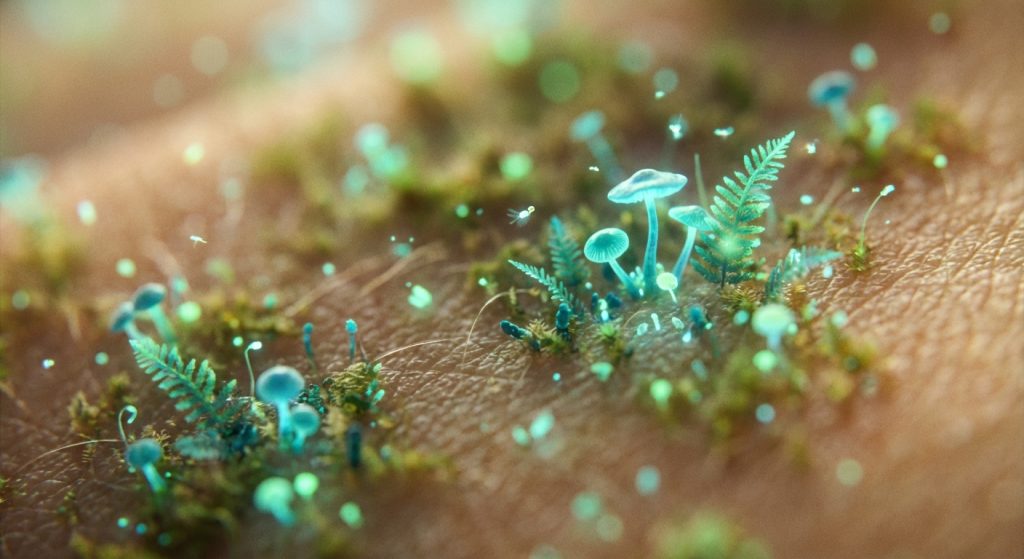
In today’s world, we are constantly bombarded with messages about cleanliness. Hand sanitizers are everywhere. We use antibacterial soaps frequently. This focus on germ-killing is understandable. However, it might be harming us more than helping. Specifically, it’s impacting our skin’s delicate ecosystem. Our skin has its own community of microbes. This community is called the skin microbiome. It plays a vital role in our health. Over-sanitizing can disrupt this balance. Therefore, we need to rethink our approach to hygiene.
Understanding the Skin Microbiome
Think of your skin as a bustling city. This city is home to trillions of microorganisms. These include bacteria, fungi, and viruses. Most of these are harmless. Many are actually beneficial. They work together to keep our skin healthy. This diverse community is the skin microbiome. It’s unique to each person. It’s influenced by genetics and environment. It’s also influenced by our lifestyle choices.
These microbes form a protective barrier. They help defend against harmful pathogens. They also train our immune system. Furthermore, they contribute to skin barrier function. This means they help keep our skin hydrated. They also help maintain its integrity. A balanced microbiome is crucial for healthy skin. It can prevent issues like acne and eczema.
The Rise of Antibacterial Everything
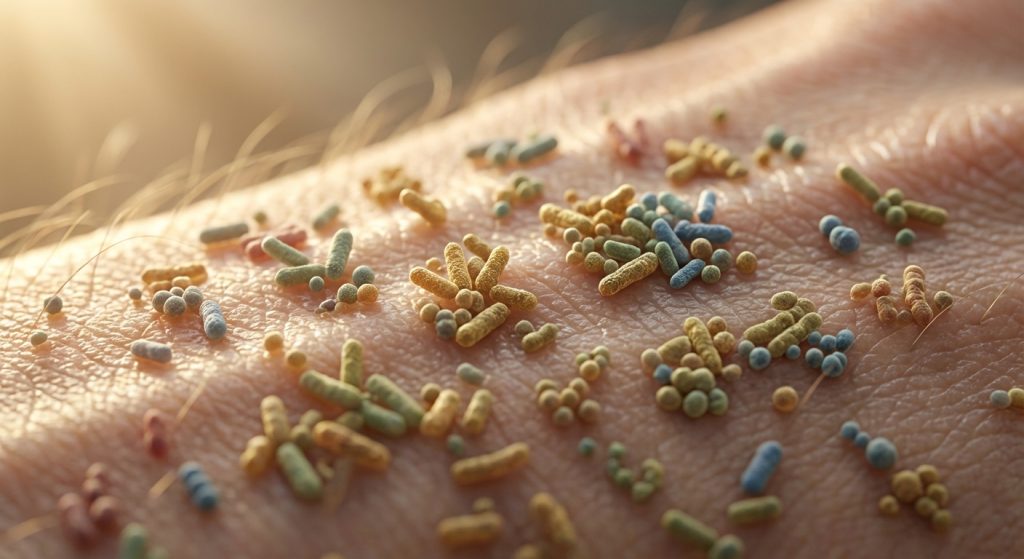
For years, we’ve been told that more bacteria means more danger. This led to a surge in antibacterial products. Hand sanitizers became ubiquitous. Many soaps and lotions now claim “antibacterial” properties. This aggressive approach aims to eliminate germs. However, it doesn’t differentiate between good and bad microbes. Consequently, it wipes out beneficial bacteria along with the harmful ones.
This constant assault can have unintended consequences. It can lead to a less diverse microbiome. This makes the skin more vulnerable. It can also lead to the rise of antibiotic-resistant bacteria. This is a significant global health concern. We are essentially creating superbugs. This is because the surviving bacteria are stronger.
How Over-Sanitizing Harms the Skin
When we overuse sanitizers, we strip away natural oils. These oils are essential for skin health. We also kill off the good bacteria. These bacteria are our skin’s first line of defense. Without them, our skin is more susceptible to:
- Infections: Harmful bacteria can take hold more easily.
- Inflammation: The skin’s immune response can become dysregulated.
- Dryness and Irritation: The natural barrier is compromised.
- Allergies and Eczema: The immune system may overreact to harmless substances.
For children, this is especially important. Their microbiomes are still developing. Early exposure to a diverse range of microbes is beneficial. It helps build a robust immune system. Over-sanitizing their environment can hinder this development. It might contribute to the rise in childhood allergies and asthma.
The Importance of a Diverse Microbiome
A diverse skin microbiome is a resilient one. It’s like a healthy forest with many different plants and animals. This ecosystem is better equipped to handle challenges. For example, it can fight off invaders more effectively. It also promotes a balanced immune response. This means fewer allergic reactions. It also means less inflammation.
Furthermore, a healthy microbiome contributes to skin health. It helps maintain the skin’s pH balance. This is crucial for healthy cell turnover. It also supports wound healing. In essence, these microbes are our skin’s allies.
Strategies for a Healthier Skin Microbiome
So, what can we do? It’s time to embrace a more balanced approach to hygiene. This doesn’t mean neglecting cleanliness. It means being more mindful about it. Here are some practical steps:
1. Embrace Gentle Cleansing
Opt for mild, fragrance-free soaps. Avoid harsh antibacterial washes. Washing with plain water is often sufficient. This is especially true for hands that aren’t visibly dirty. Thorough handwashing with soap and water is still best when truly needed. This is for removing physical dirt and germs.
2. Limit Hand Sanitizer Use
Use hand sanitizer only when soap and water are unavailable. Over-reliance can be detrimental. It’s a tool for specific situations, not a daily habit.
3. Reintroduce Beneficial Microbes
Consider products that support the skin microbiome. Some skincare products now contain prebiotics or probiotics. These can help nourish and rebalance your skin’s natural flora. For example, you can explore options for microbiome restoration, which is a growing field.
4. Connect with Nature
Spending time outdoors is beneficial. Exposure to natural environments helps diversify your microbiome. This is often referred to as “nature therapy” or “forest bathing.” It’s a great way to improve your overall well-being. You can learn more about how green space therapy benefits us.
5. Diet Matters
What you eat affects your gut microbiome. This, in turn, can influence your skin. A diet rich in fiber and fermented foods supports a healthy gut. This can have positive ripple effects on your skin. Exploring microbiome diversity through diet is a key strategy.
Children and the Microbiome
Parents often worry about their children’s exposure to germs. However, some exposure is essential for immune development. Allowing children to play outdoors and interact with their environment helps build a robust microbiome. This can lead to fewer allergies and a stronger immune system later in life. It’s about finding a balance between safety and healthy exposure.
This concept is also relevant to broader health discussions. For instance, understanding the ‘One Health’ approach highlights the interconnectedness of human, animal, and environmental health. A healthy environment fosters a healthy microbiome.
The Future of Skin Health
The scientific understanding of the skin microbiome is rapidly evolving. Dermatologists are increasingly recognizing its importance. Future treatments may focus on modulating the microbiome. This could involve targeted probiotics or other microbiome-boosting therapies. The goal will be to restore balance rather than eradicate microbes.
This shift in perspective is crucial. It moves us away from an overly sterile approach. It embraces the idea that a little bit of “dirt” can be good for us. It’s about working with our bodies, not against them.
Frequently Asked Questions
What exactly is the skin microbiome?
The skin microbiome is the collection of all microorganisms, including bacteria, fungi, viruses, and other microbes, that live on and in our skin. It’s a complex ecosystem that plays a vital role in skin health and immunity.
Why is over-sanitizing bad for my skin?
Over-sanitizing, especially with harsh antibacterial agents, can strip the skin of its natural oils and beneficial microbes. This disrupts the skin’s protective barrier, making it more vulnerable to infections, dryness, irritation, and inflammatory conditions like eczema.
How can I support my skin’s microbiome?
You can support your skin’s microbiome by using gentle, non-antibacterial cleansers, limiting the use of hand sanitizers, spending time in nature, eating a balanced diet rich in fiber and fermented foods, and potentially using skincare products formulated with prebiotics or probiotics.
Is it true that children need exposure to germs for their immune system?
Yes, exposure to a diverse range of microbes is important for a child’s developing immune system. It helps train the immune system to distinguish between harmful and harmless substances, potentially reducing the risk of allergies and autoimmune conditions later in life.
Can my diet affect my skin microbiome?
Absolutely. Your gut microbiome and skin microbiome are interconnected. A healthy diet rich in diverse plant-based foods, fiber, and fermented products can promote a diverse and healthy gut microbiome, which can positively influence your skin health.
Conclusion
The pervasive push for extreme cleanliness has led us to overlook a fundamental truth: our bodies thrive on balance. The skin microbiome is a testament to this. It’s a living, breathing ecosystem that protects and nourishes us. By reducing our reliance on harsh sanitizers and embracing a more natural approach, we can foster healthier skin. We can also support our overall well-being. Let’s learn to live in harmony with our microbial partners. This shift towards mindful hygiene is a step towards a more resilient and healthier future for our skin and ourselves.
