Smart Patches: Revolutionizing Hydration Tracking
Published on February 6, 2026 by Admin
Athletes and sports scientists are always seeking an edge. Performance hinges on many factors. Nutrition is key. Training is vital. But proper hydration is often overlooked. It is crucial for peak physical and mental function. Traditional methods of tracking hydration are often imprecise. They rely on subjective feelings or infrequent checks. Now, a new technology promises to change this. Smart patches are emerging. They track electrolyte loss in real-time. This is a game-changer for personalized hydration. Let’s explore this innovation.
Understanding Hydration and Electrolyte Loss
Water is essential for life. It makes up a large part of our bodies. For athletes, water is critical for performance. It regulates body temperature. It lubricates joints. It transports nutrients. It also removes waste products. During exercise, we lose water. This happens through sweat. Sweat contains more than just water. It also contains electrolytes. Electrolytes are minerals. They carry an electric charge. Common electrolytes include sodium, potassium, and chloride. These are vital for many bodily functions. They include nerve signaling and muscle contractions. Significant electrolyte loss can lead to serious issues. This can range from muscle cramps to heat stroke. Therefore, managing electrolyte balance is as important as water intake.
Why Traditional Hydration Monitoring Falls Short
Historically, athletes have relied on several methods. They might monitor urine color. Dark urine often indicates dehydration. However, this is a lagging indicator. It doesn’t tell you about electrolyte levels. Athletes might also weigh themselves before and after training. The weight difference can estimate fluid loss. But this doesn’t account for sweat composition. Some athletes use sports drinks. They assume these drinks replace lost electrolytes. Yet, the amount of electrolytes lost varies greatly. It depends on the individual. It also depends on the intensity and duration of exercise. Furthermore, environmental conditions play a role. Factors like temperature and humidity impact sweat rates. Consequently, a one-size-fits-all approach to hydration is often ineffective. This is where smart patches offer a solution.
The Science Behind Smart Hydration Patches
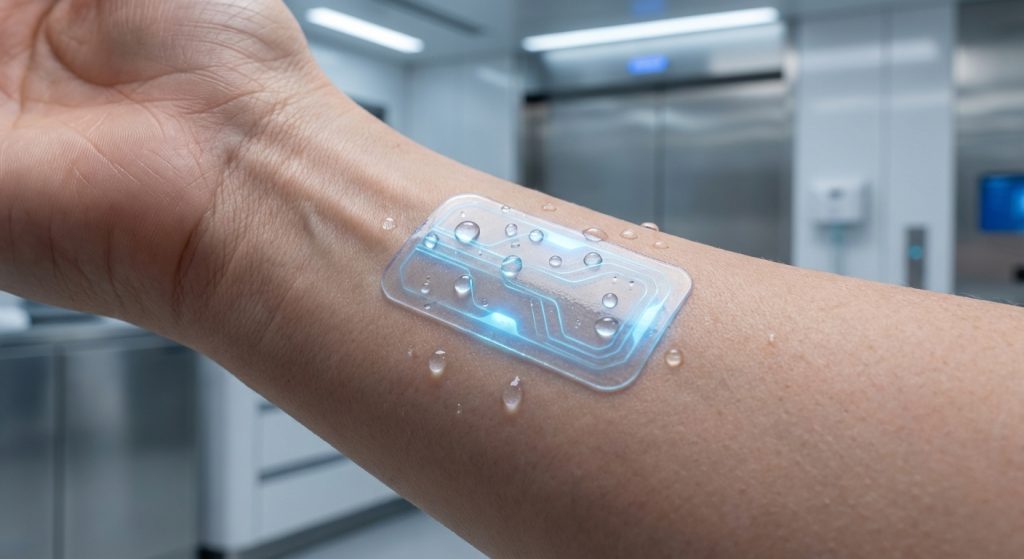
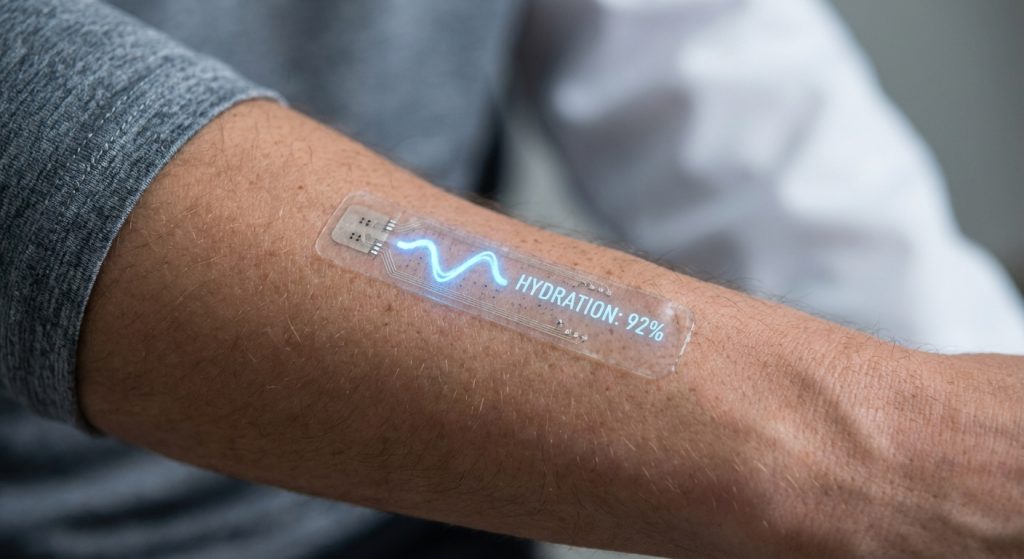
Smart hydration patches represent a significant technological leap. They are typically small, adhesive devices. They are worn directly on the skin. These patches are equipped with advanced sensors. These sensors are designed to detect specific biomarkers. Primarily, they measure electrolyte concentrations in sweat. Some patches use electrochemical methods. Others employ microfluidic channels. These technologies analyze the sweat composition as it is produced. As you sweat, the patch collects a tiny sample. It then analyzes the concentration of key electrolytes like sodium. This data is then processed. It is often transmitted wirelessly to a connected device. This could be a smartphone or a sports watch. Therefore, athletes receive real-time feedback.
How Electrolyte Tracking Enhances Performance
Real-time electrolyte data is invaluable. It allows for truly personalized hydration strategies. Instead of guessing, athletes know exactly what they are losing. This means they can replenish precisely what is needed. For instance, if a patch indicates high sodium loss, an athlete can adjust their intake. They might choose a drink with higher sodium content. Or they might take a sodium supplement. This prevents both dehydration and overhydration. Both can impair performance. Overhydration, particularly with plain water, can dilute remaining electrolytes. This can lead to hyponatremia. It is a dangerous condition. By precisely managing electrolyte balance, athletes can maintain optimal muscle function. They can also sustain nerve conductivity. This leads to improved endurance and reduced fatigue. Consequently, performance levels can be significantly boosted.
Benefits for Athletes and Sports Scientists
The advantages of smart hydration patches extend to both athletes and their support teams. Athletes gain immediate insights into their bodies. They can make informed decisions on the go. This empowers them to manage their hydration proactively. They no longer need to wait for symptoms to appear. Sports scientists and coaches benefit from objective data. They can monitor individual athletes’ needs. This allows for tailored hydration plans for each person. It also helps in understanding how different training conditions affect hydration. Furthermore, this data can be used for long-term trend analysis. It can identify patterns in electrolyte loss. This can inform training and recovery protocols. It also helps in preventing heat-related illnesses. The potential for injury reduction is significant. This technology fosters a more scientific approach to athlete care. It moves beyond guesswork to data-driven decisions. This is crucial for optimizing performance and well-being.
Personalized Hydration Plans
One of the most exciting aspects is personalization. Every athlete is unique. Their sweat composition varies. Factors like genetics, diet, and acclimatization influence this. Smart patches capture this individuality. They provide data specific to the user. This allows for the creation of truly personalized hydration plans. For example, an athlete training in a hot climate might need more sodium. Another athlete in a cooler climate might need less. The patch provides this granular data. It enables adjustments to fluid and electrolyte intake. It can also inform pre-hydration and rehydration strategies. This level of personalization was previously very difficult to achieve. It is now becoming a reality. This approach maximizes efficiency. It ensures athletes are always optimally fueled and hydrated.
The Future of Hydration Monitoring
The development of smart hydration patches is ongoing. Researchers are continuously improving their accuracy and functionality. Future iterations may track a wider range of biomarkers. They might also integrate with other wearable health devices. This could create a holistic view of an athlete’s physiological state. Imagine a system that combines hydration data with heart rate, temperature, and exertion levels. This would provide an unprecedented level of insight. Furthermore, the technology could become more affordable and accessible. This would make it available to a broader range of athletes. From elite professionals to recreational enthusiasts. The potential applications are vast. They could extend beyond sports. They might be used in occupational settings. For example, in construction or firefighting. Workers in extreme conditions could benefit greatly. Ultimately, smart patches are paving the way for a new era. It is an era of proactive, data-driven, and personalized health management. This innovation is set to redefine athletic performance. It also has broader implications for human health and well-being.
Frequently Asked Questions (FAQ)
How accurate are smart hydration patches?
Current smart hydration patches offer good accuracy for key electrolytes like sodium. However, accuracy can vary between different brands and models. Ongoing research aims to further improve precision. It is always advisable to cross-reference data with your own physiological responses.
Are these patches reusable?
Many smart hydration patches are designed for single use. This is to ensure the highest level of sensor accuracy and hygiene. However, some advanced systems might offer reusable sensor components with disposable electrode patches. Always check the manufacturer’s specifications.
What happens to the data collected by the patches?
The data is typically transmitted wirelessly to a companion app on a smartphone or smartwatch. This app then displays the information. It often provides insights and recommendations. Some systems may also allow data sharing with coaches or sports scientists.
Can these patches detect dehydration itself, or just electrolyte loss?
While primarily designed to detect electrolyte loss, significant electrolyte imbalance is often a strong indicator of dehydration. Some advanced patches may also incorporate sensors to estimate sweat rate or other hydration markers. Therefore, they provide a comprehensive picture of hydration status.
Are there any risks associated with wearing these patches?
For most users, smart patches are safe. However, some individuals might experience skin irritation from the adhesive. It is important to follow application and removal instructions carefully. Always ensure the patch is made from hypoallergenic materials if you have sensitive skin.
Conclusion
Personalized hydration is no longer a distant dream. Smart patches that track electrolyte loss are bringing this vision to life. They offer athletes and sports scientists unprecedented insights. This allows for optimized performance and enhanced well-being. By moving beyond generic advice, these devices empower individuals. They enable precise adjustments to fluid and electrolyte intake. This is crucial for preventing performance dips and health risks. As the technology continues to evolve, we can expect even more sophisticated applications. These innovations are set to revolutionize how we approach hydration. They will undoubtedly play a significant role in the future of sports science and human performance. This advancement underscores the growing intersection of technology and physiology. It highlights a future where health is managed with greater precision and personalization.